 EN
EN

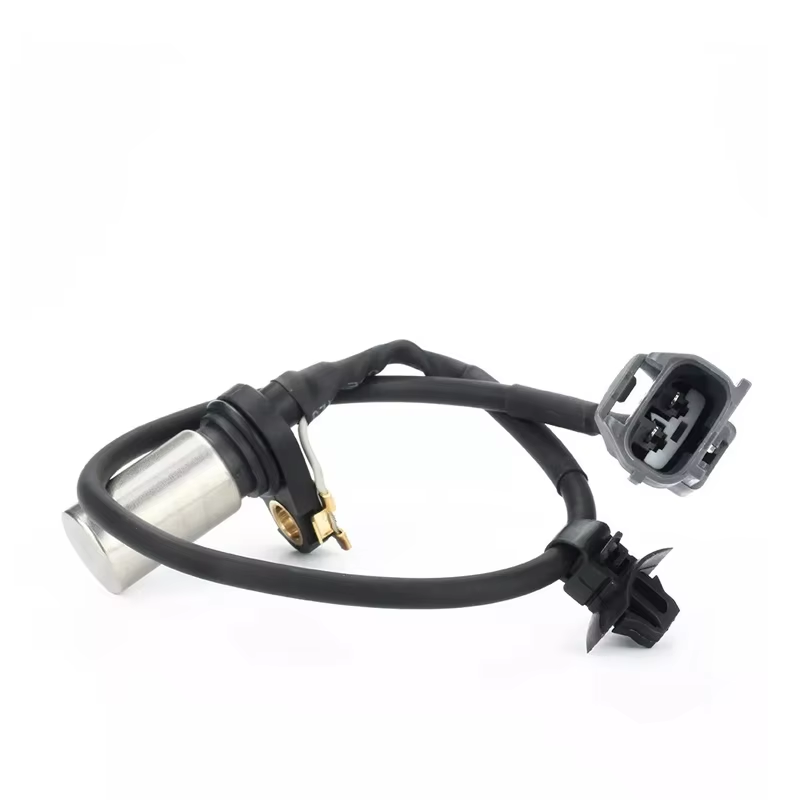
ไฟเตือนเครื่องยนต์ส่องสว่างและรหัสข้อผิดพลาดในการวินิจฉัย
รหัส OBD-II ที่พบบ่อยซึ่งเชื่อมโยงกับความล้มเหลวของเซ็นเซอร์เพลาข้อเหวี่ยง (P0335–P0339)
เมื่อไฟแจ้งเตือนระบบเครื่องยนต์ (Check Engine Light) ติดขึ้น ปกติแล้วจะบ่งชี้ถึงปัญหาบางอย่างที่เกิดกับระบบต่าง ๆ ของยานพาหนะ และหนึ่งในปัญหาที่พบบ่อยคือความผิดปกติของเซ็นเซอร์วัดตำแหน่งเพลาข้อเหวี่ยง (Crankshaft Position Sensor) มีรหัสเฉพาะหลายรหัสที่ช่างเทคนิคใช้ตรวจสอบเพื่อวินิจฉัยปัญหานี้ รหัส P0335 หมายความว่าโดยพื้นฐานแล้วไม่มีสัญญาณใด ๆ ออกมาจากเซ็นเซอร์เลย ในขณะที่รหัส P0339 บ่งชี้ว่าสัญญาณมีการผันผวนหรือปรากฏขึ้นเพียงบางครั้งเท่านั้น รหัสเหล่านี้จะถูกบันทึกไว้ในระบบคอมพิวเตอร์ของรถยนต์ทุกครั้งที่โมดูลควบคุมเครื่องยนต์ (Engine Control Module) ตรวจพบความผิดปกติในการหมุนของเพลาข้อเหวี่ยง ซึ่งเป็นสิ่งสำคัญยิ่งต่อการรักษาความสอดคล้องของจังหวะการทำงานทั้งหมด การได้รับค่าอ่านที่แม่นยำจากเซ็นเซอร์ตัวนี้มีความสำคัญมาก เพราะส่งผลโดยตรงต่อเวลาที่หัวเทียนจุดระเบิด (spark plug firing) และปริมาณเชื้อเพลิงที่ส่งไปยังเครื่องยนต์ ตามที่เราสังเกตเห็นในอุตสาหกรรมนี้ ประมาณสามในสี่ของกรณีที่รถยนต์ไม่สามารถสตาร์ตได้อย่างเหมาะสมในปัจจุบัน มักเกิดจากปัญหาที่เกี่ยวข้องกับเซ็นเซอร์จังหวะเหล่านี้
เหตุใด ECM จึงเรียกโค้ดเหล่านี้ขึ้น—and สิ่งที่โค้ดเหล่านี้เปิดเผยเกี่ยวกับการสูญเสียสัญญาณจังหวะเวลา
โมดูลควบคุมเครื่องยนต์สมัยใหม่จะตรวจวัดข้อมูลตำแหน่งเพลาข้อเหวี่ยงประมาณ 100 ครั้งต่อวินาที เพื่อให้มั่นใจว่าการฉีดเชื้อเพลิงและการจุดระเบิดจะเกิดขึ้นในเวลาที่ถูกต้องแม่นยำถึงระดับมิลลิวินาที หากเซ็นเซอร์เริ่มให้ค่าที่ผิดพลาดเนื่องจากสาเหตุต่างๆ เช่น การสึกหรอภายใน สายไฟขาด หรือเศษโลหะไปติดอยู่ที่ล้อรีลัคเตอร์ (reluctor wheel) ECM จะสังเกตเห็นปัญหาเหล่านี้เมื่อค่าที่ได้เกินขอบเขตที่ถือว่าปกติ และบันทึกโค้ดความผิดพลาดเชิงวินิจฉัย (DTC) ที่เกี่ยวข้องไว้ คำเตือนนี้ไม่ได้บ่งชี้เพียงแค่เซ็นเซอร์เสียเท่านั้น แต่ยังแสดงว่าสัญญาณจังหวะเวลานั้นไม่ทำงานตามปกติอีกต่อไป ซึ่งส่งผลกระทบโดยตรงต่อประสิทธิภาพในการเผาไหม้เชื้อเพลิงของเครื่องยนต์ เมื่อไม่มีข้อมูลที่เชื่อถือได้เข้ามา ระบบตรวจจับการกระแทก (misfire detection system) จะหยุดทำงานโดยพื้นฐาน ทำให้รถเข้าสู่โหมดความปลอดภัย เช่น ลดกำลังลง หรือคงสถานะเดินเบาไว้จนกว่าจะได้รับการซ่อมแซม ทั้งหมดนี้คือสัญญาณแรกเริ่มที่บ่งบอกว่ากำลังมีปัญหาร้ายแรงเกิดขึ้นกับระบบจังหวะเวลาของเครื่องยนต์
ปัญหาการสตาร์ทและขับเคลื่อนเครื่องยนต์ที่เกิดจากความล้มเหลวของเซ็นเซอร์เพลาข้อเหวี่ยง
การเสื่อมสภาพ เซนเซอร์เพลาข้อเหวี่ยง ส่งผลกระทบโดยตรงต่อความสามารถของเครื่องยนต์ในการสตาร์ทและทำงานอย่างราบรื่น ซึ่งเมื่อชิ้นส่วนสำคัญชิ้นนี้เสื่อมสภาพ จะทำให้สัญญาณจังหวะที่แม่นยำซึ่งจำเป็นสำหรับการจุดระเบิดและการจ่ายเชื้อเพลิงผิดเพี้ยนไป
ไม่สามารถสตาร์ทได้ หรือสตาร์ทได้ยาก เนื่องจากขาดข้อมูลความเร็วรอบ (RPM) และตำแหน่ง
หากไม่มีข้อมูลตำแหน่งของเพลาข้อเหวี่ยงและความเร็วรอบ (RPM) ที่ถูกต้อง หน่วยควบคุมเครื่องยนต์ (ECM) จะไม่สามารถระบุตำแหน่งของลูกสูบหรือความเร็วในการหมุนได้ — ซึ่งเป็นข้อมูลพื้นฐานที่จำเป็นสำหรับการจุดประกายและการฉีดเชื้อเพลิง ส่งผลให้โดยทั่วไปเกิดปรากฏการณ์สตาร์ทนานผิดปกติ การสตาร์ทแบบไม่สม่ำเสมอ หรือไม่สามารถสตาร์ทได้เลย โดยเฉพาะในสภาพอากาศเย็น ซึ่งความล่าช้าในการตอบสนองของเซ็นเซอร์จะยิ่งชัดเจนมากขึ้น
เครื่องยนต์ดับเองขณะขับขี่ รอบเดินเบาสั่นไม่เรียบ และมีอาการสะดุดหรือตอบสนองช้าขณะเร่งความเร็ว
เมื่อเซ็นเซอร์เริ่มส่งสัญญาณที่ไม่สอดคล้องกัน ยานพาหนะมักดับเครื่องอย่างไม่คาดคิดขณะจอดรอสัญญาณไฟจราจร สั่นหรือทำงานผิดปกติขณะเดินเบา และตอบสนองช้าลงเมื่อกดคันเร่ง ปัญหานี้รุนแรงขึ้นเนื่องจากเซ็นเซอร์เหล่านี้สูญเสียหรือบิดเบือนค่าการวัดของตนเป็นระยะ ๆ ซึ่งส่งผลให้จังหวะการเผาไหม้ในเครื่องยนต์ผิดเพี้ยน ผู้ขับขี่มักสังเกตเห็นอาการเหล่านี้ในรูปแบบของการเคลื่อนที่สะดุด การกระตุกขณะพยายามเร่งความเร็ว หรือการสูญเสียกำลังชั่วคราวระหว่างการขับขี่ สิ่งที่ทำให้สถานการณ์แย่ลงยิ่งกว่าเดิมคือ ปัญหาทั้งหมดเหล่านี้มักจะชัดเจนขึ้นมากเมื่อรถยนต์ทำงานหนัก เช่น ขณะขึ้นเนินหรือบรรทุกน้ำหนักมาก โดยพื้นฐานแล้ว เซ็นเซอร์นั้นไม่สามารถติดตามตำแหน่งที่แท้จริงของเพลาข้อเหวี่ยง (crankshaft) ได้ทันแบบเรียลไทม์อีกต่อไป จึงก่อให้เกิดปัญหาด้านประสิทธิภาพต่าง ๆ นานา
รูปแบบการเสียหายที่พบบ่อยของเซ็นเซอร์เพลาข้อเหวี่ยง
| อาการ | เงื่อนไขที่กระตุ้น | สาเหตุพื้นฐาน |
|---|---|---|
| ดับระหว่างการขับขี่เป็นครั้งคราว | การขับขี่ขณะเดินเบาหรือความเร็วต่ำ | การสูญเสียข้อมูลตำแหน่งอย่างฉับพลัน |
| การเร่งความเร็วที่ผิดปกติ | การใช้งานคันเร่ง | การคำนวณจังหวะการจุดระเบิด/การฉีดเชื้อเพลิงผิดพลาด |
| การสตาร์ทเครื่องยนต์ที่ใช้เวลานาน | การสตาร์ทในอากาศหนาว | การส่งสัญญาณล่าช้าหรือไม่เสถียร |
ผลกระทบต่อประสิทธิภาพของยานพาหนะระดับที่สองอันเนื่องมาจากการทำงานผิดปกติของเซ็นเซอร์เพลาข้อเหวี่ยง
ประสิทธิภาพการใช้เชื้อเพลิงลดลงและการเข้าสู่โหมดจำกัดการทำงาน (limp mode) จากการจุดระเบิด/จ่ายเชื้อเพลิงที่ไม่ตรงเวลา
เมื่อเซ็นเซอร์เพลาข้อเหวี่ยงเริ่มเสื่อมสภาพ จะส่งผลให้ระบบควบคุมเครื่องยนต์ (ECM) ไม่สามารถประสานงานการฉีดเชื้อเพลิงและเวลาการจุดระเบิดให้สอดคล้องกับตำแหน่งที่แท้จริงของลูกสูบได้อย่างแม่นยำ ส่งผลให้เกิดการเผาไหม้ไม่สมบูรณ์และสิ้นเปลืองเชื้อเพลิงโดยเปล่าประโยชน์ ตามผลการวิจัยจากสมาคมวิศวกรยานยนต์และอากาศยาน (SAE) ปัญหาความไม่ตรงเวลานี้อาจทำให้อัตราการบริโภคเชื้อเพลิงเพิ่มขึ้นประมาณร้อยละ 15 ถึง 20 เมื่อขับขี่ด้วยความเร็วคงที่ หากปัญหายังคงเกิดซ้ำๆ ระบบ ECM อาจเปลี่ยนไปใช้สิ่งที่เรียกว่า 'โหมดจำกัดการทำงาน (limp mode)' ซึ่งเป็นฟีเจอร์ด้านความปลอดภัยที่จำกัดรอบเครื่องยนต์และความเร็วของยานพาหนะ เพื่อป้องกันความเสียหายที่อาจเกิดขึ้นกับเครื่องยนต์ สิ่งที่ผู้ขับขี่สังเกตเห็นได้ชัดเจน ได้แก่ การสูญเสียกำลังขับอย่างฉับพลัน การเร่งความเร็วช้าลง และคันเร่งตอบสนองไม่ดีเหมือนเดิมอีกต่อไป อาการเหล่านี้ชี้ชัดว่า ระบบควบคุมเวลา (timing related systems) กำลังทำงานนอกขอบเขตความปลอดภัยตามปกติ
พฤติกรรมของมาตรวัดความเร็วรอบเครื่องยนต์ผิดปกติ และการสั่นสะเทือนของระบบขับเคลื่อนที่ไม่สามารถอธิบายได้
มาตรวัดความเร็วรอบเครื่องยนต์ (tachometer) จำเป็นต้องได้รับข้อมูลเกี่ยวกับตำแหน่งของเพลาข้อเหวี่ยง (crankshaft) เพื่อคำนวณค่ารอบต่อนาที (RPM) อย่างถูกต้อง เมื่อเซ็นเซอร์เสียหาย ผู้ขับขี่มักสังเกตเห็นพฤติกรรมผิดปกติ เช่น เข็มชี้กระโดดไปมาแบบสุ่ม ติดอยู่ที่จุดใดจุดหนึ่ง หรือไม่แสดงค่าใดๆ เลย แม้ว่าเครื่องยนต์จะทำงานตามปกติอยู่ก็ตาม พร้อมกันนั้น หากการจุดระเบิดไม่ตรงเวลาเนื่องจากข้อมูลตำแหน่งเพลาข้อเหวี่ยงผิดพลาด ก็จะทำให้ลูกสูบเกิดการจุดระเบิดผิดจังหวะ (misfiring) ซึ่งก่อให้เกิดการสั่นสะเทือนที่น่ารำคาญและแพร่กระจายไปทั่วตัวรถ ผู้ขับขี่มักรู้สึกถึงการสั่นสะเทือนเหล่านี้ผ่านพวงมาลัย ผ่านฝ่าเท้าที่สัมผัสพื้นห้องโดยสาร และบางครั้งก็รู้สึกผ่านคันเกียร์ด้วย ปรากฏการณ์นี้มักเกิดขึ้นมากที่สุดขณะที่รถอยู่ในโหมดเดินเบา (idling) หรือขณะขับขี่ด้วยความเร็วต่ำอย่างนุ่มนวล ช่างเทคนิคพบลักษณะอาการดังกล่าวซ้ำแล้วซ้ำเล่าในกรณีที่เซ็นเซอร์เพลาข้อเหวี่ยงเริ่มเสื่อมสภาพ ไม่ว่าจะเป็นยี่ห้อหรือรุ่นของรถยนต์ใดก็ตาม อาการเหล่านี้มักโดดเด่นชัดเจนกว่าปัญหาอื่นๆ ที่อาจเกิดขึ้นบริเวณระบบส่งกำลัง (drivetrain) ส่วนอื่น
คำถามที่พบบ่อย
รหัสทั่วไปที่เกี่ยวข้องกับความล้มเหลวของเซ็นเซอร์เพลาข้อเหวี่ยงคืออะไร
รหัสทั่วไป ได้แก่ P0335 ซึ่งบ่งชี้ว่าไม่มีสัญญาณจากเซ็นเซอร์ และ P0339 ซึ่งบ่งชี้ว่ารับสัญญาณได้แบบไม่สม่ำเสมอ
เซ็นเซอร์เพลาข้อเหวี่ยงที่เสียจะส่งผลต่อประสิทธิภาพของเครื่องยนต์อย่างไร
เซ็นเซอร์ที่เสียจะรบกวนสัญญาณการจุดระเบิด ส่งผลให้เกิดปัญหาในการสตาร์ทเครื่องยนต์ เครื่องยนต์ดับขณะใช้งาน รอบเดินเบาไม่นิ่ง และแรงฉุดลดลงขณะเร่งความเร็ว
ปัญหาทุติยภูมิอื่นๆ ที่เกิดขึ้นจากความล้มเหลวของเซ็นเซอร์เพลาข้อเหวี่ยงมีอะไรบ้าง
ปัญหาที่เกิดขึ้น ได้แก่ ประสิทธิภาพการใช้เชื้อเพลิงลดลง การเข้าสู่โหมดจำกัดกำลัง (limp mode) โดยอัตโนมัติ พฤติกรรมของมาตรวัดรอบเครื่องยนต์ผิดปกติ และการสั่นสะเทือนของระบบขับเคลื่อนที่ไม่สามารถอธิบายได้