 EN
EN

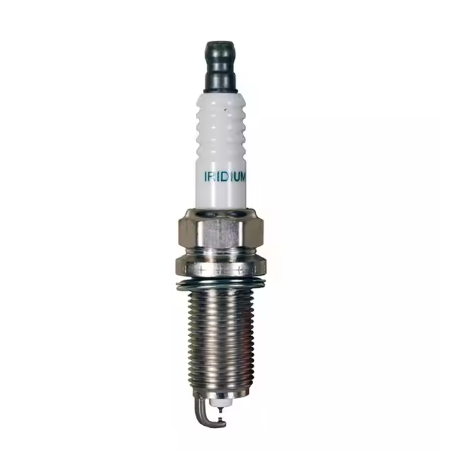
The Ignition Process: How a Spark Plug Initiates Combustion
Electrical Breakdown, Plasma Channel Formation, and Flame Kernel Development
The spark plug starts the combustion process by creating an electrical discharge at just the right moment. The ignition coil sends out a pretty hefty voltage, usually somewhere between 20,000 and 50,000 volts, which is enough to break down the resistance of the compressed air fuel mix inside the engine. What happens next is pretty amazing - the gas gets ionized and creates what's called a conductive plasma channel. Electricity rushes through this channel and heats up the mixture incredibly fast, reaching around 60,000 degrees Fahrenheit or so within billionths of a second. This creates something engineers call a "flame kernel" - basically a tiny ball of fire that keeps burning on its own. And within less than a thousandth of a second, this little fireball spreads out and becomes the stable flame that powers the engine forward.
| Factor Influencing Flame Kernel | Impact on Ignition |
|---|---|
| Electrode Material/Shape | Affects plasma stability and heat dissipation |
| Air-Fuel Ratio | Determines mixture ignitability and burn speed |
| Insulator Condition | Prevents voltage leakage for consistent sparks |
Voltage Demand, Dielectric Strength, and the Role of Compression Ratio
The amount of voltage required goes up as compression ratios increase. For example, engines running at around 9:1 compression usually need somewhere between 8,000 to maybe 12,000 volts before sparks will actually work properly. But when we talk about turbocharged motors or those with really high compression ratios (anything 12:1 or higher), they often demand upwards of 20,000 volts just to get things started. Why does this happen? Well, higher compression packs more air into the combustion chamber, which raises what's called dielectric strength. This basically means the spark has a tougher time jumping across the electrode gap. Now here's something important about how all this works together. Voltage itself starts the ionization process, but it's really the current flow that provides the heat necessary for the flame kernel to develop properly. If there isn't enough voltage, expect misfires. And if current levels drop too low, the resulting flame kernels won't be strong enough to spread through the combustion chamber reliably.
Spark Plug Construction: Critical Components and Their Functional Roles
Center Electrode, Ground Electrode, and Spark Gap Optimization
The central electrode sends high voltage electricity from the ignition coil right into the combustion chamber where things get interesting. Once enough voltage builds up to break through the resistance in the air fuel mix, we see a plasma channel form between the main electrode and the grounding one, which starts the whole combustion process going. Manufacturers often go for premium stuff like iridium or platinum because these materials hold up better against wear and tear while keeping that spark plug shape intact for longer periods. Spark gaps usually sit somewhere around 0.6 to 1.2 millimeters but getting this measurement right matters a lot. If it's too big, the engine needs way more voltage just to make sparks happen and there's a good chance of misfires. Too small means weaker sparks and poor flame development when starting combustion. Most forced air cooled engines actually need smaller gaps compared to their liquid cooled counterparts since they expand more when hot under normal operating conditions.
Ceramic Insulator, Sealing System, and Terminal Integrity
Ceramic insulators made from alumina materials can handle voltages reaching around 65,000 volts and still function properly at temperatures over 1,000 degrees Celsius. These properties stop electricity from leaking across their surfaces during operation. The ribbed design on these components actually helps wash away dirt and debris that might stick there otherwise. When left unchecked, such buildup can form conductive paths leading to dangerous flashovers. For cylinder heads, manufacturers use copper core gaskets combined with two separate crimp seals. This setup keeps everything intact even when facing sudden pressure surges of up to 2,000 pounds per square inch. At the same time, it blocks unwanted intrusion of oil or fuel into critical areas. Terminal posts connect firmly to ignition wires thanks to nickel plating that resists corrosion. This connection stays stable even when subjected to continuous vibrations measuring over 300 G forces. If terminals don't make good contact though, resistance jumps by approximately 18 percent. That kind of resistance drop means less power gets delivered to the spark, which obviously affects engine performance.
Thermal Management: Understanding Spark Plug Heat Range and Engine Compatibility
Hot vs. Cold Spark Plugs: Geometry, Material Conductivity, and Heat Flow Pathways
The heat range of a spark plug actually refers to how well it moves heat from where it sparks to the engine block, not about how hot the actual spark gets. Hotter plugs have these long insulator parts made from materials that don't conduct heat so readily, which keeps things warm at the tip area. This helps stop carbon buildup when the engine isn't working too hard. On the flip side, cold plugs come with shorter insulation and stuff that conducts heat better, like those copper core electrodes we see nowadays. They let heat escape quickly, which is good because otherwise the fuel might ignite too early in powerful engines. Copper really does work wonders here, moving heat away roughly 90 percent faster than regular nickel stuff. That's why mechanics always reach for copper plugs when building performance cars or modifying turbocharged engines.
| Design Feature | Hot Plug | Cold Plug |
|---|---|---|
| Insulator Nose Length | Longer | Shorter |
| Heat Dissipation | Slower | Faster |
| Common Use Case | Low-stress engines | High-compression/turbo |
Debunking Common Misconceptions About Spark Plug Heat Ratings
Many people get confused when talking about spark plugs, thinking that "hot" or "cold" refers directly to how hot the spark actually gets. What most folks don't realize is that heat range really just affects how well heat moves away from the plug, not the actual spark itself. There's another big mistake too - some believe that hotter plugs automatically mean better performance. But if the heat range doesn't match what the engine needs, it can actually wear down electrodes faster or lead to carbon buildup problems. Take regular city cars for example. If someone installs plugs that are too cold, they might run below around 450 degrees Celsius, which lets carbon stick to them over time. On the flip side, putting in super hot plugs on a turbocharged engine could push temperatures past 800 degrees Celsius, causing dangerous pre-ignition issues. When picking spark plugs, always check what the manufacturer recommends and consider how the vehicle is actually used day to day instead of going by what looks good on packaging or what some guy said at the gas station.
FAQ
What is the significance of the spark plug flame kernel?
The flame kernel is crucial because it represents the initial point of combustion. It's the tiny ball of fire that forms after the spark plug ignites the air-fuel mixture. This flame expands rapidly to become the stable flame that continues the combustion process, driving the engine forward.
Why does the voltage requirement increase with compression ratio?
Higher compression ratios mean more air is packed into the combustion chamber, raising the dielectric strength. This makes it difficult for the spark to jump across the electrode gap, requiring a higher voltage to initiate ionization and combustion.
How does heat range affect spark plug performance?
Heat range affects how well a spark plug manages heat dissipation. Hot plugs retain heat longer by having long insulator noses, which help prevent carbon buildup in low-stress engines. Cold plugs have shorter noses and conduct heat better, preventing premature ignition in high-compression engines.
What materials are commonly used in spark plugs?
Spark plugs often use materials like iridium or platinum for the electrodes due to their durability and resistance to wear. Ceramic insulators made from alumina are used for high-voltage applications, while copper core electrodes help in fast heat dissipation.