 EN
EN

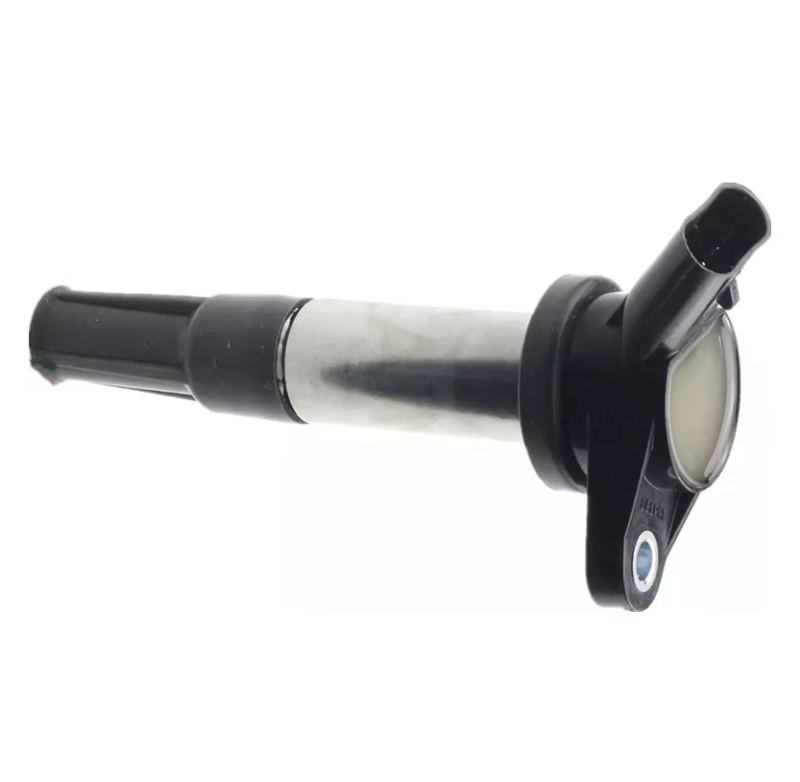
Praecipua Symptomata Defectus Bobinae Ignitionis et Effectus in Mundi Reali
Ignitio Imperfecta, Idling Inaequabilis, et Hesitatio Motoris
Cum bobinae accensionis incipiunt corrumpi, perturbant modum quo voltatio ad bujias transmittitur, quod ad combustionem incompletam carburantis ducit, praesertim cum vehiculum sub pressione est vel accelerat. Symptomata etiam manifesta sunt: motor misfiring habet, rauca idlet, et est illa molestissima tarditas cum pedalis acceleratoris premitur (quae saepe sentitur ut tremor per volantem dum vehiculum stat). Hodie motus turbo-chargati multum caloris generant, qui bobinarum avolutiones cito magis consumit quam normaliter. Relationes industriales aliquid mirabile ostendunt — fere duae tertiae omnium defectuum quorum causa misfiring erat in itineribus anno praeterito ex bobinis accensionis defectis proveniebant, secundum data diagnostica collecta per officinas totius nationis. Si hae difficultates a conductoribus diutius negleguntur, misfiring continuus multum carburantis non combusti in systema exhaustus mittit. Hoc catalyticum convertere periculosissime calefacere potest et tandem penitus deficere, quod postea millia denariorum in reparationibus exiget.
Stallatio, Difficilis Incitatio, et Activatione Lucis "Controlla Motorum"
Cum bobinae prorsus deficiunt, vehicula subito stant aut simpliciter ne incipiant quidem. Haec frequentius accidit in humidis condicionibus, quoniam umor cum tempore valde nocet isolationi. Systema computatorium automobilis has irregularitates in combustionem detegit et Lucem Controlis Motoris excitat, saepe codices diagnosticos inter P0351 et P0358 servans, ut cylindrum problematicum identificet. Sed hic est nodus: hi codices non semper totam historiam narrare possunt. Mechanici referunt, fere quater ex decem vicibus, ubi hos codices P035x vident, rem aliam omnino esse — ut antiquae bujiae aut laesae vires — non vero defectus bobinarum, secundum recentes conclusiones industriae ASE anno 2024. Tamen recta diagnosi statim corrigenda est. Si enim falsae lectiones negleguntur, aliquis forte in via laterali immobilis manebit et partes pretiosae, ut catalytor, postea graviter laedi possunt.
Effectus Secundarii: Aucta Consumptio Combustibilis et Impar Performantia
Defectus accensionis persistentes onera operationis augent:
- Consumptio combustibilis decrescit 15–20% , quia unitas controlis electronici (ECU) superaddit combustibile sine combustione correspondente
- Acceleratio impeditur propter contributionem cylindrorum inaequalem
- Convertitores catalytici thermicum onus sustinent ex hydrocarbonibus non comburthis, periculum creans substitutionis pretio $2 000+
Vehicula cum defectibus in bobinis non resolutis mediocriter 23% maioribus impensis operationis infra 12 menses ab initio symptomatum, iuxta studia diagnosticorum comparativorum.
Causae Primariae Fracturae Bobinae Ignitionis
Fractura bobinae ignitionis oritur praecipue ex degradatione thermica et strepitu electrico—utraque integritatem insulationis minuens et auctum internorum componentium abradendi ritum accelerans.
Degradatio Thermica et Supracalefactio in Modernis Caelis Motorum
Cum motoribus arctius conglobantur et exspectationes de praestantia semper augentur, temperaturae intra spatium motoris continuo ascendent. Quid tum accidit? Omnis ille repetitus calefactio et refrigeratio resinae epoxidicae isolamentum fragilem reddit cum tempore, simul etiam spires aeneas consumit. Ad circiter 150 gradus Fahrenheit (quod est fere 66 gradus Celsius) minuti rimae incipiunt apparere. Et hae rimae permittunt tensionem altam effugere, praesertim in bobinis quae prope loca calida, ut colli exhaustus aut turboferramenta, sunt sitae. Pessimum autem accidit cum ductores accelerant, quia tunc maxime calor et onus simul ad summos suos gradus perveniunt. Haec combinatio intermittere ignitiones frustratorias creat, quae non apparent cum motor frigidus est, ita ut recte diagnostice difficillimae sint.
Stress Electricus: Impulsus Tensionis, Fundamentum Impar, et Corrosio Contactus
Cum problemata electrica accidunt, omnia systemata simili modo premunt. Impulsus supra 40 000 voltium ordinario ex antiquis bujis aut ex deteriorata wiratione oriuntur et saepe materias insulantes disrumpunt. Impropria connexio chassidis vehiculi ad terram resistentionem in circuitibus augent, quae causat ut bobinae magis laborare debeant, ut maiora voltagia producant. Corrosio in locis connexionis scintillas generat et calidas areas molestas creat, quas in multis vehiculis videmus. Quod sequitur vere malum est: haec problemata spiralem deorsum creant, ubi partes consumptae plus caloris et resistentionis generant, ita ut omnia cito magis deficiant quam alioquin fieret.
Accurata Ignitionis Bobinae Diagnōsis: Instrumenta, Technica, et Insidiae
Interpretatio Codicum OBD2 (P0351–P0358) et Quando Fallunt
Codices P0351–P0358 defectus in circuitibus specificarum bobinarum ignitionis cylindrorum indicant—sed raro aperte defectum bobinae confirmant. Ex investigatione SAE International anni 2019: triginta quinque per centum codicum P035x ex corrōsīs fasciculīs aut scintillātoribus vitiosis oriuntur , non ex bobīnīs defectīvīs. Vulgāria fallāciae diagnōsticae includunt:
- Attribuere spīcūlātiōnēs voltāgii ex alternātōribus dēficientibus mālō functiōnī bobīnārum
- Praetermittere interrūptionēs commūnicātiōnis inter ECM et bobīnās, quae videntur esse defectūs in circuitū bobīnae
- Confundere codicēs misfire specīficōs per cylindrum (P030x) cum codicibus circuitūs bobīnae (P035x)
Verificātiō per manūs: testēs rēsistēntiae, analysīs interstitiī scintillae, et commūtātiō strategica
Ambigui codices electronici necessitant inspectiones physicas ut certi simus. Usus multimetri ad experimenta resistentiae iuvat ut confirmemus valores spiralearum — circa 0,3 ad 1 ohm pro spiris primariis et fere 6 000 ad 15 000 ohm pro spiris secundariis, secundum specificata a fabricante. Ad quaestionem interstitii scintillae, usus probatoris calibrati detegit puncta debilis descensus sub condicionibus oneris, quod saepe indicat problemata isolationis. Tamen vetus methodus adhuc optima est in multis officinis: commutatio bobinarum inter diversos cylindros. Si codices misfiring sequuntur bobinam ad novum locum, iam habemus responsionem de eo quod vere deficit.
| Methodus Diagnostica | Rationis exactio | Limitationes Criticae |
|---|---|---|
| Experimentum resistentiae | 82% (ASE 2022) | Non potest detegere defectus intermittentes, activatos calore |
| Analysis Interstitii Scintillae | 91% | Requirit instrumenta specialia et calibrata |
| Communis Strategica | 97% | Consumens tempus; impracticabilis pro systematibus coil-on-plug |
Quia symptomata thermica saepe tantum ad temperaturam operationis apparent, combinatio diagnosticorum electronicorum cum experimentis manualibus substitutiones inutiles bobinae diminuit per 63%, secundum datos NASTF anni 2023.
Questiones Frecventer Interrogatae
Quae sunt symptomata communia bobinae accensionis pravae?
Symptomata communia includunt misfiring motus, idling asperum, et sensibilem tarditatem in acceleratione. Alii signi sunt stallatio, difficilis initiatio, et activatio Lucis Controllandae Motoris.
Cur machina mea saepius stallat in aere humidiori?
Aer humidior defectus in isolatione bobinae aggravare potest, quod ad augmentum stallationis vel difficultatis in initiatione ducit, cum humores connexionibus electricis interfaciant.
Quomodo confirmare possum bobinam accensionis meae esse pravam?
Methodi verificationis physicae, ut testatio resistentiae, analysis intervalli scintillae, et commutatio strategica, efficaces sunt ad confirmandum problemata bobinae accensionis, praesertim si diagnostics electronica defectus potenciales suggerunt.
Estne tutum vehiculum agere cum bobina accensionis prava?
Agere cum defectuosa bobina accensionis posset deteriorare praestantiam motoris et gravem damnum causare tempore, quod potest ad caras reparationes ducere.