 EN
EN

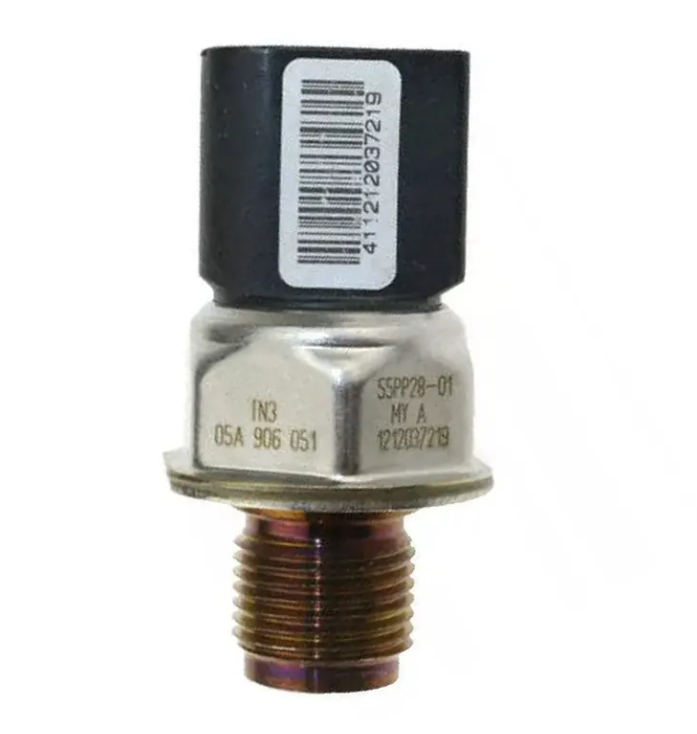
Understanding the Role of the Fuel Pressure Sensor in Engine Performance
Fuel Rail Pressure Sensor Function and Importance
Fuel rail pressure sensors keep track of what's happening inside the fuel delivery system at all times. These sensors act as the main source of information for the engine control unit (ECU) when it comes to getting combustion right. The sensor contains something called a piezoresistive diaphragm that basically turns pressure fluctuations into electrical signals. This allows the ECU to tweak when and how much fuel gets injected into the engine. Getting accurate readings matters a lot because it helps maintain that perfect balance between air and fuel in the combustion chamber. When sensors fail or give incorrect data, engines run less efficiently which means worse performance and more pollution coming out of the tailpipe.
How the Fuel Pressure Sensor Regulates Engine Performance
When the sensor sends real time pressure information directly to the engine control unit, it enables the engine to respond properly when conditions change. The system actually tells the engine it needs more fuel when accelerating hard, but cuts back on fuel delivery when sitting still at stoplights to save gas. According to research published by SAE International last year, cars equipped with working sensors get around 12 percent better mileage compared to vehicles where these components have gone bad over time. Without this constant communication between parts, drivers would notice problems like rough running, sudden stalling, or power surges that make driving uncomfortable and inefficient.
Integration of the Fuel Pressure Sensor in Modern Fuel Injection Systems
Modern direct injection and turbocharged engines rely on sensors working hand in hand with high pressure fuel pumps and injectors for best possible performance. When it comes to diesel systems, these sensors help achieve fuel atomization down to under 200 microns which makes all the difference for cleaner burning. Looking at what we've seen from fuel system studies lately, when sensors connect to onboard diagnostics they catch pressure leaks or worn out pumps much earlier than before. This early warning system really helps keep engines running smoothly over time instead of letting problems build up unnoticed.
Recognizing Symptoms of a Failing Fuel Pressure Sensor
A failing fuel pressure sensor directly affects engine performance, fuel economy, and drivability. Early recognition of symptoms helps prevent secondary damage and costly repairs.
Symptoms of a Bad Fuel Rail Pressure Sensor: Stalling, Misfiring, and Rough Engine Performance
When something goes wrong with this component, drivers typically notice their car stalls now and then, runs roughly when idling, or hesitates when they try to speed up. Some folks report their vehicles just shutting down unexpectedly while moving slowly, or experiencing strange misfires that look like regular spark plug issues. The problem usually happens because faulty sensors send all sorts of messed up information to the engine control unit, which throws off how fuel gets delivered properly. A recent study looking at fuel systems back in 2024 found around two thirds of all complaints about driving troubles related to sensors actually point to these exact kinds of problems showing up on people's dashboards.
Decreased Fuel Economy Due to Sensor Malfunction
A malfunctioning sensor can cause the ECU to create overly rich or lean mixtures due to incorrect pressure readings. This forces the system to override factory fuel maps, often increasing injector pulse width unnecessarily. Resulting fuel economy losses range from 15–22%, based on ECU diagnostic data from 2023.
Engine Performance Issues Caused by Inaccurate Pressure Readings
Erratic signals may trigger “limp mode,” where the ECU restricts RPM and throttle response to protect the engine. Drivers notice sluggish acceleration, surging at highway speeds, or reduced towing capacity. These symptoms resemble clogged injectors or failing fuel pumps, emphasizing the need for accurate diagnosis.
Illuminated Check Engine Light and Drivability Concerns
Persistent sensor faults activate diagnostic trouble codes (DTCs) such as P0190 (Fuel Rail Pressure Circuit Malfunction) or P0087 (Low Fuel Rail Pressure). While 78% of drivers first notice the check engine light (Automotive Service Association, 2023), associated drivability concerns include unstable cruising speeds and inconsistent power output.
Key Observations
| Symptom Group | Common Driver Complaints | Likely DTCs |
|---|---|---|
| Combustion Irregularities | Stalling, misfires, rough idle | P0300, P0193 |
| Fuel Efficiency Loss | Frequent refueling needs | P0171 (lean), P0172 (rich) |
| Power Delivery Issues | Surging, hesitation, limp mode | P0087, P0191 |
Early diagnosis helps avoid damage to catalytic converters, injectors, and ignition components.
Diagnosing Fuel Pressure Sensor Issues Using DTCs and Scan Tools
Diagnostic Trouble Codes (DTCs) Related to Fuel Pressure Sensor Failure
The engine control unit starts recording diagnostic trouble codes whenever it senses something odd coming from the sensors. Some pretty common codes people run into are P0087 for low fuel rail pressure and P0191 related to problems with the fuel rail pressure sensor circuit. These usually mean there's some sort of issue with the sensor itself. According to research published by SAE International last year, around two thirds of all fuel system problems get picked up by these DTC codes long before drivers even notice anything wrong with their vehicles. That makes them really valuable tools for catching issues early on before they turn into bigger headaches down the road.
Troubleshooting With Diagnostic Scanner and DTC Interpretation
Once those diagnostic codes are pulled, hook up an OBD-II scanner to look at what's happening in real time. Check how the pressure numbers stack up against what the carmaker says they should be. If there's a gap bigger than 10%, that usually means something's wrong somewhere. Keep an eye on those fuel trim readings too. When short term values stay consistently over +10% or drop below -10%, chances are good the pressure sensors aren't giving accurate info. For folks with better equipment, watching how sensors react when accelerating reveals a lot. A working system will generally ramp up pressure smoothly between 15 and 20 psi as speed increases. Anything erratic points to problems needing attention.
Step-by-Step Guide to Retrieving and Clearing Codes Using a Scan Tool
- Connect the scanner to the OBD-II port, usually located under the dashboard
- Retrieve stored codes and review freeze-frame data (RPM, temperature, load)
- Focus on codes starting with P01XX or P02XX, which relate directly to fuel delivery
- After repairs, clear codes and confirm stable sensor readings during a 15-minute test drive
Avoid clearing codes prematurely—42% of recurring DTCs stem from unresolved root causes, per a 2024 AutoTech University analysis. For stubborn issues, combine scan data with mechanical pressure tests to distinguish between electrical and mechanical failures.
Testing and Verifying Fuel Pressure Sensor Functionality with a Multimeter
Testing Fuel Rail Pressure Sensor with a Multimeter: Voltage and Resistance Checks
For checking if everything works properly, grab your multimeter and set it to 20 volts DC first. Now connect those little probe tips to both the signal wire and ground wire on the sensor while keeping the engine running. What should happen? Well, a good working sensor usually gives readings somewhere between half a volt and 4.5 volts, kind of bouncing around as the engine works harder or cools down. Then comes the resistance check part. Flip that multimeter switch over to ohms mode, pull the sensor out from its socket, and stick those probes into the terminals. Factory made sensors generally show resistance numbers hanging around 1,000 to 4,000 ohms when things are at normal room temps. If it's way off base, that probably means we've got ourselves a faulty component on our hands.
Interpreting Multimeter Results for Sensor Functionality
When checking sensor readings against what the factory specs say, there are some telltale signs to watch for. If the multimeter shows a flat 0 volts all the time, that's usually a dead giveaway of a short somewhere in the system. On the flip side, consistently seeing 5 volts might point to either an open circuit problem or something wrong with how the ECU is talking to the sensor. For resistance measurements, anything deviating from spec by over 15% should raise red flags and probably needs replacing. And if the meter just shows OL for infinite resistance, chances are good the internal wiring has given up the ghost. Real world data from automotive techs back this up too - around two thirds of vehicles with sensors showing erratic voltage patterns saw noticeable drops in gas mileage within a month of installation.
Replacing and Maintaining the Fuel Pressure Sensor for Long-Term Reliability
Replacing Fuel Rail Pressure Sensor: Tools and Safety Precautions
Begin by relieving fuel system pressure using a gauge to prevent spills. Essential tools include a torque wrench (for proper fastener tightness), safety gloves, and dielectric grease for electrical connections. Always disconnect the negative battery terminal before beginning work to eliminate risk of short circuits.
Step-by-Step Replacement Procedure for Faulty Fuel Rail Pressure Sensor
- Locate the sensor on the fuel rail (typically secured with 8–10 mm bolts)
- Disconnect the electrical connector and remove mounting hardware
- Install the new sensor, applying anti-seize compound to threads
- Reconnect wiring and inspect fuel line fittings for security
Sensor Reset Procedures After Replacement: Battery Disconnect vs. Scanner Reset
Disconnecting the battery for 15 minutes resets basic adaptive memory, but professional-grade scan tools offer full ECM recalibration, including fuel trim adaptation. After reset, conduct a test drive while monitoring real-time pressure via OBD-II to confirm normal operation.
Preventive Maintenance Tips for Fuel System and Sensor Longevity
- Use TOP TIER™ detergent gasoline to reduce carbon buildup
- Replace fuel filters every 30,000 miles
- Inspect wiring harnesses annually for corrosion or damage
- Address check engine lights promptly to prevent compounding failures
Vehicles maintained according to schedule experience 63% fewer pressure sensor failures than those repaired reactively, according to industry research.
Causes of Fuel Rail Pressure Sensor Failure and How to Avoid Them
Contaminated fuel (15% of failures) and voltage spikes (22%) are leading causes. Install in-line fuel filters and maintain alternator output between 13.5–14.8V. Avoid non-OEM sensors lacking proper calibration—non-compliant units fail 3.1× faster in ASTM durability testing.
FAQ
What is the role of a fuel pressure sensor?
The fuel pressure sensor monitors the pressure in the fuel delivery system and communicates with the engine control unit to ensure proper fuel injection for optimal combustion.
What symptoms indicate a failing fuel pressure sensor?
Signs of a failing fuel pressure sensor include stalling, misfiring, rough engine performance, decreased fuel economy, and illuminated check engine lights.
How can you test a fuel pressure sensor?
Fuel pressure sensors can be tested using a multimeter to check voltage and resistance. Voltages should range from 0.5 to 4.5 volts, and resistance should be between 1,000 to 4,000 ohms.
How often should fuel filters be replaced to ensure sensor longevity?
Fuel filters should be replaced every 30,000 miles to prevent sensor failure and maintain fuel system integrity.
Table of Contents
- Understanding the Role of the Fuel Pressure Sensor in Engine Performance
- Recognizing Symptoms of a Failing Fuel Pressure Sensor
- Diagnosing Fuel Pressure Sensor Issues Using DTCs and Scan Tools
- Testing and Verifying Fuel Pressure Sensor Functionality with a Multimeter
-
Replacing and Maintaining the Fuel Pressure Sensor for Long-Term Reliability
- Replacing Fuel Rail Pressure Sensor: Tools and Safety Precautions
- Step-by-Step Replacement Procedure for Faulty Fuel Rail Pressure Sensor
- Sensor Reset Procedures After Replacement: Battery Disconnect vs. Scanner Reset
- Preventive Maintenance Tips for Fuel System and Sensor Longevity
- Causes of Fuel Rail Pressure Sensor Failure and How to Avoid Them
- FAQ