 EN
EN

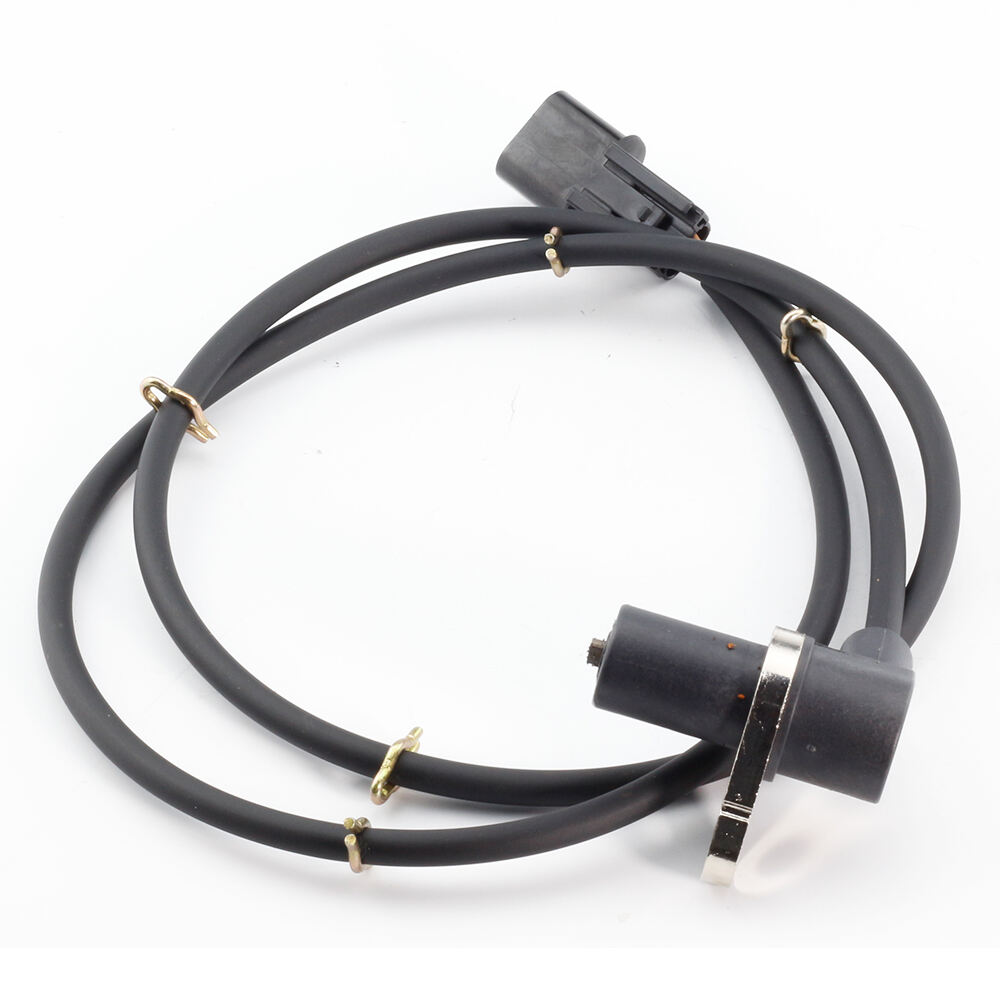
Reducing Human Error with Auto Sensors
Understanding how auto sensors minimize driver distraction and fatigue
Car sensors today track what drivers are doing through infrared technology for eyes and analysis of how they steer. If the system notices someone getting distracted or tired signs like when a car starts weaving between lanes or when someone's eyes stay closed for too long, it will go off with sounds or make the seat vibrate. According to some studies from NTSB back in 2023, this kind of alert actually cuts down accidents caused by tiredness by around one third among big truck companies. When cars handle watching out for dangers automatically, drivers don't have to think so hard about everything going on around them. This frees their minds up to concentrate on bigger picture stuff like figuring out better routes or spotting potential problems ahead of time before they become serious issues.
Real-time data analysis for safety through sensory enhancement
Modern multi-sensor systems can handle more than 1,000 pieces of information every single second. They track things like how close vehicles are to each other, where objects are moving, and even what kind of grip there is on the roadsurface. What does this mean practically? Well, these systems can react to situations in about 200 milliseconds. That's roughly twelve times quicker than most people can respond when something unexpected happens on the road according to research from the Society of Automotive Engineers back in 2023. Take adaptive headlights as another example. These smart lights actually look at both the direction the car is turning and GPS location information. As a result, they start lighting up around corners about half a second earlier than if someone had to manually adjust them. Some studies suggest this technology helps cut down those dangerous nighttime accidents where cars go off the road by almost a quarter.
Case study: Reduction in rear-end collisions due to real-time hazard detection
A 2023 analysis of 500,000 insured vehicles found that those equipped with collision warning systems had 45% fewer rear-end impacts in stop-and-go traffic compared to non-equipped vehicles (Insurance Institute for Highway Safety). The dual radar-camera system detects sudden decelerations of leading vehicles and issues warnings 1.2 seconds earlier than typical human perception thresholds.
Controversy Analysis: Overreliance on auto sensors and diminished driver attention
Sensor tech definitely makes things safer on the road, but there's a real danger when people get too confident in automated systems. According to a recent study from last year, nearly three out of ten drivers who have those advanced driver assistance systems actually start doing stuff on their phones while cruising down the highway. And Stanford ran some interesting tests too. They found that folks used to lane keeping help take almost twenty percent longer to react properly when the system suddenly stops working. These findings really point to something important we need to remember about implementing these technologies. We should focus on making them tools that support human drivers rather than trying to completely replace our attention and judgment behind the wheel.
Core Auto Sensor Technologies in Advanced Driver Assistance Systems (ADAS)
Integration of Auto Sensors in ADAS Frameworks for Proactive Safety Measures
Modern Advanced Driver Assistance Systems rely heavily on sophisticated sensor networks that bring together radar, LiDAR technology, and those little ultrasonic sensors we often forget about. All these components work together to give vehicles nearly complete situational awareness around them in real time. The system feeds all this information into central processing units which can crunch over thirty different data points every single second. This enables features such as automatic emergency braking when needed most, plus helps keep cars from drifting off roads unexpectedly. Industry research from early 2025 suggests something pretty impressive too – sensor fusion approaches cut down on annoying false warnings by roughly two thirds compared to what happens with individual sensors working alone.
Impact of ADAS on Road Safety in Different Driving Conditions
ADAS adapts to environmental challenges through dynamic sensor calibration. Rain-sensing wipers trigger automatic headlights and traction control adjustments, while fog-optimized radar maintains effective collision warnings down to 150-meter visibility. Studies show ADAS-equipped vehicles experience 38% fewer skidding incidents on icy roads due to predictive wheel slip calculations.
Data Point: NHTSA Estimates 40% Reduction in Crashes with Comprehensive ADAS Use
The National Highway Traffic Safety Administration (NHTSA) reported in 2024 that vehicles with full ADAS suites were involved in 40% fewer injury-related crashes than base models. This aligns with findings showing adaptive cruise control and lane centering systems prevent 1.7 million rear-end collisions annually in urban settings.
Key Auto Sensor Applications: Collision Avoidance and Vehicle Awareness
Automatic Emergency Braking and Forward Collision Warning Systems
Automatic Emergency Braking or AEB along with Forward Collision Warning systems rely on vehicle sensors to spot potential crashes before they happen. When the system thinks there might be a collision coming, it first gives the driver a warning signal. But what happens when the driver doesn't react? That's when these safety features step in and actually press down on the brakes themselves, which helps cut down how bad the accident will be. Most accidents where cars hit each other from behind happen when vehicles are going under 50 miles per hour according to recent research by IIHS back in 2023, so this speed range matters quite a bit for how well these technologies work.
Blind Spot Detection for Safer Lane Changes
Blind spot detection uses radar and ultrasonic sensors to monitor areas adjacent and behind the vehicle. Real-time alerts notify drivers when another vehicle enters the blind zone during lane changes, helping prevent side-swipe accidents. The technology eliminates detection dead zones up to 16 feet behind the rear bumper.
Lane Departure Warning and Lane Keeping Assist Effectiveness
Lane Keeping Assist (LKA) combines camera and steering sensors to identify unintentional lane departures. It applies corrective torque to guide the vehicle back into its lane, particularly useful during highway drowsiness episodes. NHTSA studies show a 38% reduction in single-vehicle road departures when both warning and assist functions are active.
Adaptive Cruise Control Maintaining Safe Following Distances
Adaptive Cruise Control, or ACC for short, works by combining radar sensors to keep a safe distance from other cars while automatically adjusting speed according to what's happening on the road. This feature becomes really handy during those frustrating stop-and-go traffic situations when trying to manually control speed just raises the chances of getting into an accident. The newer versions of ACC go even further, using some pretty smart computer algorithms to predict what might happen in traffic up to around six to eight seconds before it actually does. These systems constantly process all sorts of information coming from their sensors to make these predictions happen.
Parking Safety and Low-Speed Accident Prevention with Auto Sensors
Role of Parking Sensors and Rearview Cameras in Reducing Low-Speed Collisions
Ultrasonic sensors can spot things right behind the car up to about ten feet away, and backup cameras help drivers see what's in those annoying blind spots at the back. When used together, these systems give both sound warnings and actual pictures so people know exactly what's going on around them. Studies show cars equipped with both technologies crash into stuff at slow speeds about 28 to 30 percent less often in city driving conditions. The difference is most noticeable when trying to park next to other vehicles or squeeze into small garage spaces where visibility is really limited.
Case Study: Implementation Reducing City Collision Rates by 30%
Volkswagen installed 360 degree sensors and automatic brakes that kick in below 6 miles per hour across their city car models. The numbers tell quite a story too insurance companies reported a 30 percent drop in parking lot accidents over nearly two years, especially noticeable in busy urban centers where space is tight. This backs up what the National Highway Traffic Safety Administration has been saying all along those basic low speed safety features might actually cut down on repair bills by around 2.7 billion dollars every year. Some folks still worry drivers will get too reliant on tech and stop paying attention, but looking at real world data shows these systems definitely make streets safer when they're just there to help out rather than take over completely.
The Future of Auto Sensors: AI and Predictive Hazard Detection
Integration of multiple sensors for unified collision avoidance systems
Automakers are consolidating LiDAR, radar, and camera inputs into unified sensor arrays for comprehensive environmental monitoring. This integration enables real-time threat verification through cross-referenced data, improving detection reliability in adverse conditions like fog or glare. Even when individual sensors are temporarily impaired, the fused system maintains situational awareness.
Emerging trend: AI-driven predictive hazard modeling using sensor data
Modern neural networks are getting pretty good at reading driver behavior and scanning roads for trouble spots long before anything actually happens. Some recent research indicates that artificial intelligence might cut down on crashes caused by human mistakes by as much as ninety percent. How? By stepping in early with things like automatic brakes or steering adjustments when needed. Looking ahead, the next wave of tech is going to connect cars directly to city systems. This means AI can start sharing information between different vehicles and traffic signals throughout entire metropolitan areas. Instead of each car working alone, they'll all contribute to spotting problems nobody else sees, creating a safer driving environment for everyone involved.
FAQ
How do auto sensors help minimize driver distraction and fatigue?
Auto sensors use technologies like infrared to monitor driver behavior. They detect signs of distraction or fatigue, such as lane weaving or prolonged eye closure, and alert the driver with auditory or tactile signals, reducing the likelihood of accidents.
What is the role of adaptive headlights in enhancing road safety?
Adaptive headlights adjust based on steering direction and GPS data, illuminating the road more effectively around corners. This proactive adjustment helps reduce accidents during nighttime driving by making hazards more visible.
Are there any risks associated with overreliance on auto sensors?
Yes, overconfidence in automated systems can lead to reduced driver attention. Some drivers may engage in activities like phone usage while driving, which can detract from reaction times when systems fail.
Can ADAS technology reduce accident rates in various driving conditions?
Yes, ADAS dynamically adapts to environmental conditions, optimizing features like collision warnings and traction control, leading to fewer accidents during adverse weather conditions such as rain or fog.
Table of Contents
- Reducing Human Error with Auto Sensors
- Core Auto Sensor Technologies in Advanced Driver Assistance Systems (ADAS)
- Key Auto Sensor Applications: Collision Avoidance and Vehicle Awareness
- Parking Safety and Low-Speed Accident Prevention with Auto Sensors
- The Future of Auto Sensors: AI and Predictive Hazard Detection
- FAQ