 EN
EN

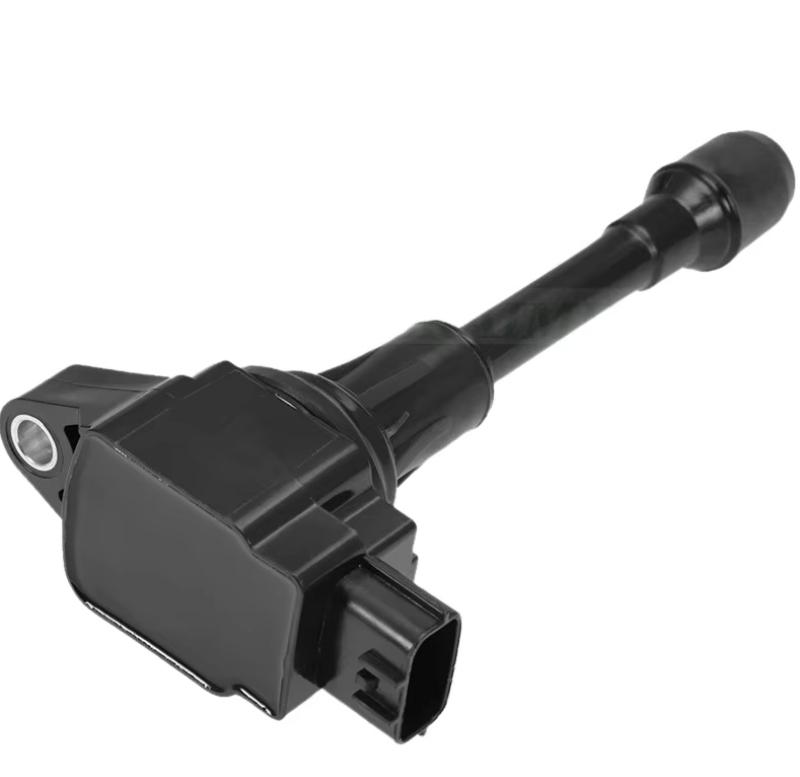
အလျှပ်စစ်စပါ်ကြိမ်နှုန်းကွေး၏ ဗို့အားထုတ်လုပ်မှု - စပါ်က်ပလတ်၏ အိုင်ယွန်နိုက်ဇေးရှင်း (Ionization) နှင့် ယုံကြည်စေသော စပါ်က်ဖော်မှု (Firing) တွင် အရေးကြီးသော အော်ပ်ရေးတ် (Driver)
ဗို့အားပြောင်းလဲခြင်းနှင့် စပါ်က်ပလတ် အကွာအဝေး (Gap) အိုင်ယွန်နိုက်ဇေးရှင်းအတွက် အနိမ့်ဆုံး ပြတ်တောက်မှုနှုန်း (Minimum Breakdown Threshold)
အီဂနီရှင်ကော်လ်သည် အခြေခံအားဖြင့် အမြင့်ပိုင်းဗို့အား ထရောန်စ်ဖော်မာအဖြစ် အလုပ်လုပ်ပြီး ကား၏ စံနှုန်းအတိုင်း ၁၂ ဗို့အားရှိသော ဘက်ထရီစွမ်းအားကို စပာ့က်ပလပ်များတွင် လေ-ရေနံရောစပ်မှုကို လောင်ကြွသော အတိုင်းအတာအထိ ၅၀၀၀ မှ ၆၀၀၀၀ ဗို့အားအထိ မြှင့်တင်ပေးပါသည်။ ဤစပာ့က်ကို ထုတ်လုပ်ရန်အတွက် လျှပ်ကူးမှုကို ဖြတ်ကျော်ရန် အတားအဆီးများစွာကို преодолеть လုပ်ရပါမည်။ ထိုအတားအဆီးများတွင် လျှပ်ကူးစပ်များ၏ အကွာအဝေး (ပုံမှန်အားဖြင့် ၀.၈ မှ ၁.၂ မီလီမီတာခန့်)၊ လေ-ရေနံရောစပ်မှု၏ အမျိုးအစားနှင့် စိုက်ထားသည့် စိုက်ခင်းအတွင်းရှိ အတိအကျသော ဖိအားတို့ ပါဝင်ပါသည်။ ယနေ့ခေတ်တွင် လမ်းပေါ်တွင် ပုံမှန်အားဖြင့် အသုံးပြုနေသော ပုံမှန် ဂက်စ်အင်ဂျင်များအတွက် အင်ဂျင်သည် အလုပ်လုပ်နေစဉ် ၁၅၀၀၀ မှ ၂၅၀၀၀ ဗို့အားအထိ အများအားဖြင့် လုံလောက်ပါသည်။ အီဂနီရှင်ကော်လ်သည် အသက်ရှည်မှုကို စတင်ပြသခြင်း သို့မဟုတ် အချိန်ကြာလာသည်နှင့်အမျှ ပုံမှန်အတိုင်း လုပ်ဆောင်နိုင်စွမ်း ပိုမိုကျဆင်းလာသည်နှင့်အမျှ ဤဗို့အားအဆင်းအထိ မောင်းနှင်နိုင်စွမ်း ပိုမိုကျဆင်းလာပါသည်။ ထိုအချက်သည် သင်္ကြန်ဖြစ်စေရန် လုံလောက်သော လျှပ်စီးကြောင်းဖြစ်ပေါ်ရန် အတားအဆီးဖြစ်စေပါသည်။ ထို့ကြောင့် မှားယွင်းသော လောင်ကြွမှုများ (misfires) ဖြစ်ပွားလာပါသည်။ နောက်ဆုံးတွင် ရေနံ-လေရောစပ်မှု၏ မပြည့်စုံသော လောင်ကြွမှုများ ဖြစ်ပေါ်လာပါသည်။
အလျော့ကျသော အလျော်စီးကွင်း ဗို့အားသည် စပာ့ခ်ပလတ်ဂ်မှ စွမ်းအားပေးမှု အသေးစိတ်မှန်ကန်မှုနှင့် လောင်စာရောင်းစုံမှု စတင်မှုကို မည်သို့ ထိခိုက်စေသည်ကို ရှင်းလင်းခြင်း
ထုတ်လုပ်သူမှ သတ်မှတ်ထားသည့် ဗို့အားထက် ဗို့အားသည် ဗို့အား ၂၀၀၀ ဖြင့် ကျဆင်းသွားသည့်အခါ စပာ့ခ်စွမ်းအားအဆင်းနေမှုကို အများကြီး ထိခိုက်စေပါသည်။ အကောင်းဆုံးရလဒ်မှာ စပာ့ခ်ပလတ်ဂ်များသည် မတ်တပ်မထိန်းနိုင်ဘဲ မတ်တပ်မထိန်းနိုင်မှုများ ဖြစ်ပေါ်လာခြင်းဖြစ်ပြီး အထူးသဖြင့် အမြန်နှုန်းမြင့်မှုဖြင့် အရှိန်မှုန်မှု ပေးနေသည့်အခါ သို့မဟုတ် အအေးခံထားသည့် အင်ဂျင်ကို စတင်ရန် ကြိုးစားနေသည့်အခါ စိတ်ခေါ်မှုများ ပိုမိုထင်ရှားလေ့ရှိပါသည်။ အရည်အသွေးနိုင်ငံသော စပာ့ခ်များသည် အစပိုင်းမှု မီးလောင်မှုကို မှန်ကန်စွာ ဖွဲ့စည်းပေးနိုင်ခြင်းမရှိသည့်အတွက် မှုန်းမှုမှုန်းမှုများ ၃၀ ရှိသည့် ဟိုက်ဒရိုကာဗွန်များ ထွက်ပေါ်လာခြင်းကို ဖော်ပြပါသည်။ ထို့အပေါ် အင်ဂျင်သည် အရှိန်မှုန်မှု ဖော်ပေးခြင်း၊ အရှိန်မှုန်မှု မှုန်မှု ဖော်ပေးခြင်း သို့မဟုတ် မှုန်မှု ဖော်ပေးခြင်းတို့ ဖော်ပေးပါသည်။ လက်တွေ့အသုံးပျော်မှု တွင် တွေ့ရှိရသည့် အချက်များကို ကြည့်လျှင် အလျော်စီးကွင်းများသည် သတ်မှတ်ထားသည့် စွမ်းအား၏ ၈၀ ရှိသည့် အတိုင်း အလုပ်လုပ်သည့်အခါ မှုန်မှုများသည် ပုံမှန်ထက် ခုနစ်ကြိမ် ပိုမိုဖော်ပေးသည်ကို တွေ့ရှိရပါသည်။ ထို့ကြောင့် ယုံကြည်စွာ လောင်စာရောင်းစုံမှု စွမ်းဆောင်ရည်ကို ထိန်းသိမ်းရန် ဗို့အားအဆင်းနေမှုကို မှန်ကန်စွာ ထိန်းသိမ်းရန် အရေးကြီးကြောင်း ထင်ရှားစေပါသည်။
အလျော်စီးကွင်း ပျက်စေသည့် လက္ခဏာများ – စပာ့ခ်ပလတ်ဂ် မှုန်မှုများကို အရင်ဆုံးအရင်ဆုံး အရင်ဆုံး ရှာဖွေရှာဖွေခြင်း
အင်ဂျင်မှုန်းခေါက်မှု၊ အင်ဂျင်အလုပ်လုပ်နေစဉ် တုန်ခါမှုများနှင့် အင်ဂျင်စတာရှိမှုန်းခေါက်မှုများသည် အင်ဂျင်အစွမ်းထက်မှုကို ထောက်ပြသည့် အဓိက အကြောင်းရင်းများဖြစ်သည်။
အင်ဂျင်အစွမ်းထက်မှုများ ပျက်စီးလာသည့်အခါ အောက်ပါ သုံးမျိုးသော လက္ခဏာများ အများအားဖြင့် ပေါ်လာပါသည် - အင်ဂျင်အလုပ်လုပ်နေစဉ် အင်ဂျင်မှုန်းခေါက်မှုများ (misfiring)၊ အင်ဂျင်အလုပ်လုပ်နေစဉ် တုန်ခါမှုများ (rough idle vibrations) နှင့် အအေးခံပြီးနောက် အင်ဂျင်စတာရှိမှုန်းခေါက်မှုများ (long crank times when starting cold)။ ဤပြဿနာ၏ အဓိကအကြောင်းရင်းမှာ စပာ့က်ပလပ်များသို့ ဗို့အားမှုန်းခေါက်မှုများ မတည်ငြိမ်စွာ ပေးပေးနေခြင်းဖြစ်ပြီး ထိုကြောင့် စပာ့က်ပလပ်များသည် လောင်စာမှုန်းခေါက်မှုအတွက် သင့်လျော်သည့် စပာ့က်များကို ဖန်တီးနိုင်ခြင်းမရှိပါ။ အင်ဂျင်အလုပ်လုပ်နေစဉ် တုန်ခါမှုများသည် အချို့သော စီလင်ဒါများတွင် လောင်စာများ ကျန်ရှိနေခြင်းကြောင့် ဖြစ်ပါသည်။ အအေးခံပြီးနောက် အင်ဂျင်စတာရှိမှုန်းခေါက်မှုများသည် စပာ့က်များသည် အအေးခံထားသည့် လေ-လောင်စာရောစပ်မှုကို လောင်ကြွစေရန် လုံလောက်သည့် စွမ်းအားမရှိခြင်းကြောင့် ဖြစ်ပါသည်။ အများအားဖြင့် မက်ကနစ်များသည် ဤပြဿနာများသည် အင်ဂျင်အပေါ် အလုပ်အများကြီး ဖော်ဆောင်နေသည့်အခါ၊ စိုထုံးသည့် ရာသီဥတုတွင် သို့မဟုတ် အင်ဂျင်အတွင်း အပူချိန်များ အလွန်မြင့်မားလာသည့်အခါတွင် ပိုမိုဆိုးရွားလာကြောင်း တွေ့ရှိကြပါသည်။
OEM မှ စုဆောင်းထားသည့် အလုပ်လုပ်နေသည့် ဒေတာများအရ အင်ဂျင်အစွမ်းထက်မှုများသည် တစ်ခုတည်းသော စီလင်ဒါမှုန်းခေါက်မှုများ၏ ၇၈% ကျော်ကို ဖော်ပြပါသည်။
အထင်ရှားဆုံး OEM များမှ ၂၀၂၃ ခုနှစ် စွမ်းဆောင်ရည်စမ်းသပ်မှု အဖွဲ့အစည်း၏ အဖွဲ့စည်းမှု ဆန်းစစ်မှုအရ ယနေ့ခေတ်တွင် တွေ့ရသည့် အချိန်တစ်ခုတည်းသော စီလင်ဒါ မှုန်းခြင်းမှုများ၏ ၇၈% ခန့်သည် အားနည်းသော အလင်းပေးခြင်း ကွေးလ်များကြောင့် ဖြစ်သည်။ အထူးသဖြင့် COP စနစ်များတွင် ကွေးလ်တစ်ခုချင်းစီသည် စီလင်ဒါတစ်ခုတည်းကိုသာ အလင်းပေးသည့်အတွက် ဤအချက်သည် ပိုမိုမှန်ကန်ပါသည်။ နည်းပညာပါမ်ဝန်များက အလင်းပေးခြင်း၏ ဒုတိယအဆင့် စမ်းသပ်မှုများကို ပြုလုပ်သည့်အခါ အလားတူဖြစ်ရပ်များကို ထပ်ခါထပ်ခါ တွေ့ရပါသည်။ P030X ကုဒ်ပြဿနာများကို ပြသသည့် စီလင်ဒါများသည် ဖိအားစမ်းသပ်မှုအတွင်း ဗိုးအား ၈ kV သာ ရရှိပြီး မှန်ကန်သော စပာ့က်ထုတ်လုပ်မှုအတွက် လိုအပ်သည့် ၁၅ မှ ၂၀ kV အတွင်း အတိုင်းအတာတွင် မှုန်းခြင်းမှုများ ဖြစ်ပါသည်။ ကွေးလ်များသည် လုံလောက်သော ဗိုးအားကို စိတ်ခေါ်မှုအတွက် စိတ်ခေါ်မှုအတွင်း အမြဲတမ်းထုတ်လုပ်နိုင်ခြင်းမရှိပါက ကာတာလစ် ကွန်ဗာ့တာများအပေါ် အလွန်ကြီးမားသော အကျိုးသက်ရောက်မှုများ ဖြစ်ပေါ်စေပြီး မှုန်းခြင်းမှုများကြောင့် မှုန်းမှုများ ၄၀% အထိ တိုးပေါ်စေပါသည်။ ဤကဲ့သို့သော စွမ်းဆောင်ရည် ပြဿနာများသည် ပြုပြင်မှုစရိတ်များနှင့် ပတ်ဝန်းကျင်ဆိုင်ရာ စိုးရိမ်မှုများကို တစ်ပါတည်း ရင်ဆိုင်နေရသည့် ယာဉ်ပိုင်ရှင်များအတွက် အလွန်မြန်မြန် စုစည်းလာပါသည်။
ဒွေးလ် အချိန်နှင့် ကွေးလ် ပြည့်နေမှု – အင်ဂျင်၏ လုပ်ဆောင်မှု အကွာအဝေးအားလုံးတွင် လုံလောက်သော စပာ့က် စွမ်းအင်ကို သေချာစေရန်
ဘာကြောင့် မလုံလောက်သော ဒွဲလ် အချိန် (Dwell Time) က အလျှပ်စစ် အင်ဂျင် ကွိုင်လ် (Ignition Coil) ၏ ပြည့်ဝမှုကို ကန့်သတ်ပြီး အမြင့်ဆုံး ဖွင့်ထားသော ဖွင့်အား (High Load) အောက်တွင် စပာ့က် (Spark) ကို အားနည်းစေသနည်း။
ဒွဲလ် အချိန် (Dwell time) ဆိုသည်မှာ ပရိုမာရီ စားကပ် (Primary circuit) ကို စွမ်းအားဖေးပေးသည့် အချိန်ကာလ ဖြစ်ပြီး ကွိုင်လ်အတွင်း သံလိုက် စွမ်းအား တည်ဆောက်မှုနှင့် စွမ်းအား သိမ်းဆည်းမှုကို တိုက်ရိုက် ထိန်းချုပ်ပေးပါသည်။ ဒွဲလ် အချိန် မလုံလောက်ပါက ကွိုင်လ်သည် ပြည့်ဝမှု (Saturation) အထိ မရောက်နိုင်ပါ၊ ထို့ကြောင့် စပာ့က် စွမ်းအားသည် ဒိုင်နမိုမီတာ (dynamometer) ဖြင့် အတည်ပြုထားသည့်အတိုင်း အများဆုံး ၄၀% အထ do လျော့နည်းသွားနိုင်ပါသည်။ RPM မြင့်မှုတွင် ဒွဲလ် အချိန် ကွက်များ (dwell windows) သည် အလွန်အမင်း သေးငယ်လာပါသည်။
- RPM ၆၀၀၀ တွင် ဒွဲလ် အချိန်သည် ၃ မီလီစက္ကန့် အောက်သို့ ကျဆင်းသွားပါသည်။
- ပြည့်ဝမှု မပြည့်စုံခြင်းက စကင်ဒရီ ဗိုးအိုးလ်တေး (secondary voltage) ထွက်ပေါ်မှုကို လျော့နည်းစေပါသည်။
- ထို့ကြောင့် အားနည်းသော စပာ့က်များသည် အမြင့်ဆုံးဖိအား၊ ပေါ့ပါသော (lean) သို့မဟုတ် EGR ဖြင့် ရောစပ်ထားသော ရောစပ်မှုများကို အိုင်ယွန်နိုင်ဇ် (ionize) လုပ်ရာတွင် အခက်အခဲ ကြုံတွေ့ရပါသည်။
ဤ စွမ်းအား လျော့နည်းမှုကြောင့် တူဘိုခ် (turbocharged) သို့မဟုတ် အမြင့်ဆုံး ဖိအား မှုန်းသော (high-compression) အင်ဂျင်များတွင် မှုန်းသော လောင်စာ မှုန်းခြင်း (misfires) များ အထိအရောက် ဖြစ်ပေါ်လာပါသည်။ ပြောင်းလဲနိုင်သော ဒွဲလ် စနစ်များ (Variable dwell systems) သည် အမြင့်ဆုံး ဖွင့်အား အခြေအနေများတွင် အားသုပ်ချိန် (charging time) ကို တိုးမှုန်းပေးခြင်းဖြင့် စပာ့က် စွမ်းအားကို ထိန်းသိမ်းပေးပါသည်။ ထို့ကြောင့် အမြင့်ဆုံး တော့က် (torque) ထွက်ပေါ်မှု၏ ±၂% အတွင်းတွင် စွမ်းဆောင်ရည်ကို ထိန်းသိမ်းပေးနိုင်ပါသည်။
အချိန်ကို တိကျစွာ ညှိခြင်းနှင့် စနစ် သ совместимость (System Compatibility) – အလျှပ်စစ် အင်ဂျင် ကွိုင်လ် စွမ်းအား ထုတ်လုပ်မှု (Ignition Coil Discharge) ကို အချိန်နှင့် ညှိခြင်းဖြင့် လောင်စာ လောင်ကွမ်းမှု (Combustion) ကို အကောင်းဆုံး ဖော်ဆောင်ခြင်း
အလျှပ်စစ်အင်ဂျင်နီယာစနစ် (ignition coil) မှ လျှပ်ကူးမှုဖြစ်ပေါ်သည့်အချိန်နှင့် ပစ္စတန်သည် အမှန်တကယ်ရှိသည့်နေရာကြားတွင် အချိန်ကို တိကျစွာညှိပေးခြင်းသည် ကောင်းမွန်သောလောင်စာမှ စွမ်းအင်ထုတ်လုပ်မှုအတွက် အရေးကြီးသည့်အချက်ဖြစ်သည်။ အများအားဖြင့် အင်ဂျင်များသည် အင်ဂျင်အတွင်းရှိသည့် လုပ်ဆောင်မှုအခြေအနေပေါ်မူတည်၍ အများအားဖြင့် အမြင့်ဆုံးအမှန်တကယ်ရှိသည့်အမိုင်း (top dead center - TDC) အမှန်တကယ်ရှိသည့်အမိုင်းမှ ၁၀ ဒီဂရီမှ ၄၀ ဒီဂရီအထိ အရေးကြီးသည့်အမိုင်း (BTDC) အထိ စပာ့က်ပလပ် (spark plug) မှ လျှပ်ကူးမှုဖြစ်ပေါ်စေရန် လိုအပ်ပါသည်။ အရာအားလုံး တိကျစွာညှိပေးနိုင်ပါက TDC အပေါ်တွင် ဖိအားများ တိကျစွာတိုးတက်လာပြီး လောင်စာမှ စွမ်းအင်ကို အမှန်တကယ်ထုတ်လုပ်ပေးနိုင်ပါသည်။ ထိုသို့မဟုတ်ပါက အပူစွမ်းအင်သာ ထုတ်လုပ်ပေးပါသည်။ အကယ်၍ အလျှပ်စစ်အင်ဂျင်နီယာစနစ် (coils) များကို တိကျစွာညှိပေးခြင်းမရှိခဲ့ပါက သို့မဟုတ် အသုံးပြုသည့် ထိန်းချုပ်မှုနည်းလမ်းများသည် အသုံးမဝင်တော့သည့် နည်းလမ်းများဖြစ်ပါက အရာအားလုံး မှန်ကန်စွာမဖြစ်နိုင်တော့ပါ။ အချိန်ညှိမှုမှာ မှားယွင်းသွားပြီး အင်ဂျင်မှ အသံမှုန်သော အသံများ (knocking sounds)၊ စွမ်းအင်ထုတ်လုပ်မှု လျော့နည်းခြင်းနှင့် ညစ်ညမ်းမှုအဆင့်များ မြင့်မားလာခြင်းတို့ကို ဖြစ်ပေါ်စေပါသည်။ ထို့ကြောင့် ခေတ်မှီကားများတွင် အလွန်ခေတ်မှီသည့် အလျှပ်စစ်အင်ဂျင်နီယာစနစ်များ (electronic ignition systems) များကို အသုံးပြုကြပါသည်။ ထိုစနစ်များသည် အလျှပ်စစ်အင်ဂျင်နီယာစနစ်များကို အချိန်နှင့်တစ်ပါက အလေးထားသည့် အချိန်ညှိမှုကို အလေးထားသည့် အက်ဒေပ်တစ်ဗ် အယ်လ်ဂေါရစ်သမ် (adaptive algorithms) များဖြင့် အမြဲတမ်းညှိပေးပါသည်။ အင်ဂျင်အမြန်နှုန်း (RPM) နိမ့်သည့်အချိန်များတွင် အလျှပ်စစ်အင်ဂျင်နီယာစနစ်များကို အမြန်နှုန်းတိုးမှုအတွက် အရေးကြီးသည့်အမိုင်း (TDC) အမှန်တကယ်ရှိသည့်အမိုင်းမှ အရေးကြီးသည့်အမိုင်း (BTDC) အထိ ရှေးရှေးသို့ ညှိပေးပါသည်။ သို့သော် အင်ဂျင်အပေါ်တွင် ဖိအားများ မြင့်မားသည့်အချိန်များတွင် အသံမှုန်သော အသံများ (knocking noises) မြင့်မားမှုကို ကာကွယ်ရန် အချိန်ညှိမှုကို နောက်သို့ ပြောင်းပေးပါသည်။ ထိုသို့သော ဉာဏ်ရည်ထက်မြက်သည့် ညှိမှုစနစ်များသည် လမ်းပေါ်တွင် အင်ဂျင်သည် မည်သည့်အခြေအနေကိုမဆို ယုံကြည်စွာ လုပ်ဆောင်နိုင်ရန် ကူညီပေးပါသည်။ နောက်ဆုံးအနေဖြင့် အချိန်ညှိမှုကို တိကျစွာလုပ်ဆောင်ခြင်းသည် အင်ဂျင်၏ အရေးကြီးသည့် အကျိုးကျေးဇူးများဖြစ်သည့် အင်ဓန်စွမ်းအင်သုံးစွဲမှု ကောင်းမွန်ခြင်း၊ အသေးစိတ်အောက်စီဂျင်န်ထုတ်လုပ်မှု လျော့နည်းခြင်းနှင့် မှန်ကန်သည့် မောင်းနှင်မှုအတွေ့အကြုံကို ပေးစေပါသည်။
FAQ အပိုင်း
ကားတစ်စီးတွင် အလျှပ်စစ်ဖောက်သည့်ကွိုင်လ် (ignition coil) ၏ အလုပ်လုပ်ပုံမှာ အဘယ်နည်း။
အလျှပ်စစ်ဖောက်သည့်ကွိုင်လ်သည် အများအားဖြင့် အမြင့်ဖိအားပေးသည့် ထရာန်စ်ဖော်မာ (high voltage transformer) အဖြစ် အလုပ်လုပ်ပြီး ဘက်ထရီမှ လာသည့် ပါဝါကို လေနှင့် လေးထွေးမှုရောစပ်မှုကို လောင်ကြွစေရန် အမြင့်ဖိအားသို့ မြှင့်တင်ပေးခြင်းဖြစ်သည်။ ထို့ကြောင့် ဗိုးအား ၁၂ ဗိုးမှ ၆၀,၀၀၀ ဗိုးအထိ မြှင့်တင်ရန် လိုအပ်ပါသည်။
အလျှပ်စစ်ဖောက်သည့်ကွိုင်လ် ပျက်စဲသွားပါက ဖြစ်ပေါ်လာမည့် အကြောင်းရင်းများမှာ အဘယ်နည်း။
အလျှပ်စစ်ဖောက်သည့်ကွိုင်လ် ပျက်စဲခြင်း၏ လက္ခဏာများတွင် အင်ဂျင်မှ အကူအညီမရှိသည့် လေးထွေးမှုများ (misfires)၊ အင်ဂျင်အုန်းမှု မတည်ငြိမ်ခြင်း (rough idling) နှင့် အင်ဂျင်စတာတ်ခြင်း ခက်ခဲခြင်း (hard starts) တို့ပါဝင်ပါသည်။ ဤအခြေအနေများသည် စပာ့က် (spark) ထုတ်လုပ်မှုနှင့် လေးထွေးမှု အကောင်အထောင်မှုကို ထိခိုက်စေသည့် အိုင်ဗိုးအား ပေးပ်မှု မတည်ငြိမ်မှုကြောင့် ဖြစ်ပါသည်။
ဒွယ်လ် အချိန် (dwell time) သည် အလျှပ်စစ်ဖောက်သည့်ကွိုင်လ်၏ စွမ်းဆောင်ရည်ကို မည်သို့အကျိုးသက်ရောက်စေပါသနည်း။
ဒွဲလ် အချိန်သည် ကွေးလ်၏ ပြည့်စုံမှုအတွက် အရေးကြီးပါသည်။ ဒွဲလ် အချိန်မလ sufficiently ဖြစ်ပါက ကွေးလ်အတွင်း သိုလှောင်ထားသော စွမ်းအား လျော့နည်းသွားပြီး စပာ့က်အား အားနည်းကာ မှားယွင်းသော လောင်ကြွမှုများ ဖြစ်ပေါ်စေနိုင်ပါသည်။
လေးထွေးမှုတွင် အလျှပ်စစ်ဖောက်သည့်အချိန် (ignition timing) သည် အဘယ်ကြောင့် အရေးကြီးပါသနည်း။
သင့်လျော်သည့် အလျှပ်စစ်ဖောက်သည့်အချိန်သည် စပာ့က်ပလပ် (spark plug) သည် လေးထွေးမှုအား အကောင်အထောင်မှု အကောင်အထောင်မှု အကောင်အထောင်မှုကို အကောင်အထောင်မှု အကောင်အထောင်မှုကို အကောင်အထောင်မှု အကောင်အထောင်မှုကို အကောင်အထောင်မှု အကောင်အထောင်မှုကို အကောင်အထောင်မှု အကောင်အထောင်မှုကို အကောင်အထောင်မှု အကောင်အထောင်မှုကို အကောင်အထောင်မှု အကောင်အထောင်မှုကို အကောင်အထောင်မှု အကောင်အထောင်မှုကို အကောင်အထောင်မှု အကောင်အထောင်မှုကို အကောင်အထောင်မှု အကောင်အထောင်မှုကို အကောင်အထောင်မှု အကေ......
အကြောင်းအရာများ
-
အလျှပ်စစ်စပါ်ကြိမ်နှုန်းကွေး၏ ဗို့အားထုတ်လုပ်မှု - စပါ်က်ပလတ်၏ အိုင်ယွန်နိုက်ဇေးရှင်း (Ionization) နှင့် ယုံကြည်စေသော စပါ်က်ဖော်မှု (Firing) တွင် အရေးကြီးသော အော်ပ်ရေးတ် (Driver)
- ဗို့အားပြောင်းလဲခြင်းနှင့် စပါ်က်ပလတ် အကွာအဝေး (Gap) အိုင်ယွန်နိုက်ဇေးရှင်းအတွက် အနိမ့်ဆုံး ပြတ်တောက်မှုနှုန်း (Minimum Breakdown Threshold)
- အလျော့ကျသော အလျော်စီးကွင်း ဗို့အားသည် စပာ့ခ်ပလတ်ဂ်မှ စွမ်းအားပေးမှု အသေးစိတ်မှန်ကန်မှုနှင့် လောင်စာရောင်းစုံမှု စတင်မှုကို မည်သို့ ထိခိုက်စေသည်ကို ရှင်းလင်းခြင်း
-
အလျော်စီးကွင်း ပျက်စေသည့် လက္ခဏာများ – စပာ့ခ်ပလတ်ဂ် မှုန်မှုများကို အရင်ဆုံးအရင်ဆုံး အရင်ဆုံး ရှာဖွေရှာဖွေခြင်း
- အင်ဂျင်မှုန်းခေါက်မှု၊ အင်ဂျင်အလုပ်လုပ်နေစဉ် တုန်ခါမှုများနှင့် အင်ဂျင်စတာရှိမှုန်းခေါက်မှုများသည် အင်ဂျင်အစွမ်းထက်မှုကို ထောက်ပြသည့် အဓိက အကြောင်းရင်းများဖြစ်သည်။
- OEM မှ စုဆောင်းထားသည့် အလုပ်လုပ်နေသည့် ဒေတာများအရ အင်ဂျင်အစွမ်းထက်မှုများသည် တစ်ခုတည်းသော စီလင်ဒါမှုန်းခေါက်မှုများ၏ ၇၈% ကျော်ကို ဖော်ပြပါသည်။
- ဒွေးလ် အချိန်နှင့် ကွေးလ် ပြည့်နေမှု – အင်ဂျင်၏ လုပ်ဆောင်မှု အကွာအဝေးအားလုံးတွင် လုံလောက်သော စပာ့က် စွမ်းအင်ကို သေချာစေရန်
- အချိန်ကို တိကျစွာ ညှိခြင်းနှင့် စနစ် သ совместимость (System Compatibility) – အလျှပ်စစ် အင်ဂျင် ကွိုင်လ် စွမ်းအား ထုတ်လုပ်မှု (Ignition Coil Discharge) ကို အချိန်နှင့် ညှိခြင်းဖြင့် လောင်စာ လောင်ကွမ်းမှု (Combustion) ကို အကောင်းဆုံး ဖော်ဆောင်ခြင်း
-
FAQ အပိုင်း
- ကားတစ်စီးတွင် အလျှပ်စစ်ဖောက်သည့်ကွိုင်လ် (ignition coil) ၏ အလုပ်လုပ်ပုံမှာ အဘယ်နည်း။
- အလျှပ်စစ်ဖောက်သည့်ကွိုင်လ် ပျက်စဲသွားပါက ဖြစ်ပေါ်လာမည့် အကြောင်းရင်းများမှာ အဘယ်နည်း။
- ဒွယ်လ် အချိန် (dwell time) သည် အလျှပ်စစ်ဖောက်သည့်ကွိုင်လ်၏ စွမ်းဆောင်ရည်ကို မည်သို့အကျိုးသက်ရောက်စေပါသနည်း။
- လေးထွေးမှုတွင် အလျှပ်စစ်ဖောက်သည့်အချိန် (ignition timing) သည် အဘယ်ကြောင့် အရေးကြီးပါသနည်း။