 EN
EN
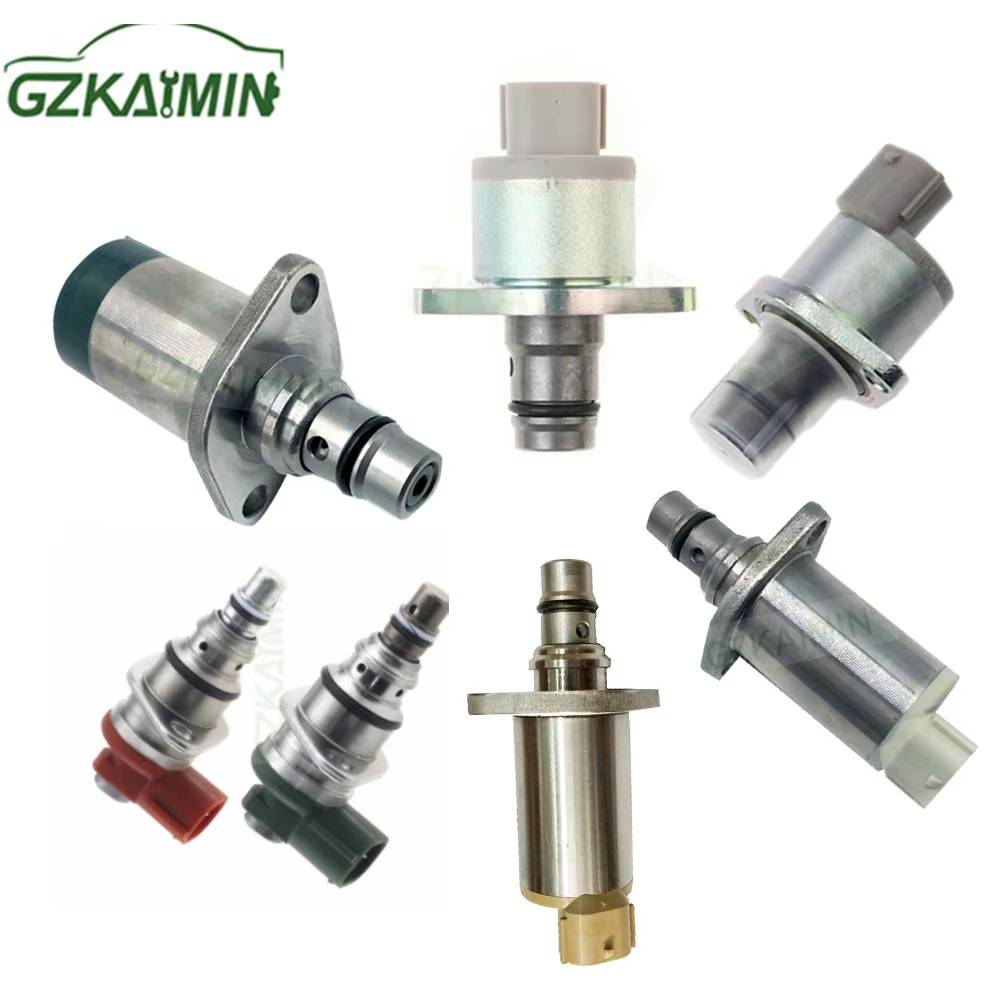
What Is a Suction Control Valve and How Does It Function in Fuel Injection Systems?
Definition and Basic Structure of the Suction Control Valve
The Suction Control Valve, or SCV for short, sits right at the fuel pump inlet in most diesel fuel injection systems. This little workhorse contains a solenoid operated valve along with a precision plunger and spring setup. What makes it special? Well, it's built to control fuel flow quickly and reliably even when things get rough under the hood. The whole thing works despite harsh operating conditions because manufacturers designed it with both speed and toughness in mind. And thanks to its compact size, the SCV can respond fast without sacrificing performance, which matters a lot in those high pressure situations we all know engines love so much.
Core Function of the Suction Control Valve in Diesel Fuel Injection
The SCV in diesel engines controls how much fuel gets into the high pressure pump by opening or closing the inlet passage. This kind of control makes sure there's just enough pressure going to the common rail system. When someone steps on the gas, it stops the engine from running out of fuel, but when slowing down, it keeps too much fuel from flowing through. Matching the fuel supply to what the engine actually needs for combustion improves how stable the burning process is inside the cylinders. And as an added bonus, this setup cuts down on harmful exhaust emissions overall.
How the SCV Regulates Fuel Flow and Pressure at the Pump Inlet
The SCV works by changing how much fuel the pump can actually move around, basically adjusting where those valves sit proportionally. When engines need more power, like when climbing hills or accelerating hard, the SCV opens wider so more fuel flows through while keeping pressure steady. But if things slow down or the engine isn't working as hard, the SCV closes off some of that flow to stop pressure from getting too high. All of this happens thanks to signals from what's called the Engine Control Unit, or ECU for short. This whole feedback system makes sure just the right amount of fuel gets delivered exactly when needed. Modern systems using this technology tend to run about 6 to 8 percent better overall according to recent studies published by DieselTech Insights last year.
Suction Control Valve Operation in Common Rail Diesel Systems
Integration of SCV in High-Pressure Common Rail Fuel Systems
The SCV (single control valve) plays an important role in today's diesel engines, particularly in those high pressure common rail setups we see so much these days. Positioned right at the fuel pump inlet, this electromechanical component does the job of managing that low pressure fuel supply just before it gets pressurized. What makes this setup work well is how it maintains steady rail pressure throughout different engine speeds. Think about it running from around 800 RPM when idling all the way up to full power at about 4,500 RPM. This consistency helps keep those injectors performing reliably no matter what driving conditions come along.
Real-Time Regulation of Fuel Pressure and Flow Based on Engine Demand
The SCV reacts pretty quickly to signals from the ECU, usually somewhere between 50 and 200 milliseconds. This allows the system to adjust fast when driving conditions change unexpectedly. Take for instance what happens when someone floors the gas pedal at about 75% throttle. The valve will often pop open around 85% to handle those sudden fuel needs, but once things settle down into regular cruising speeds, it typically drops back to about 60% opening. The quick reaction time helps avoid those annoying pressure fluctuations in the high pressure rail which operates at roughly 2,000 to 3,000 bar. Without this responsiveness, fuel injectors wouldn't deliver fuel as accurately, and engine combustion would become inconsistent over time.
Interaction Between SCV Positioning and Fuel Pump Dynamics
Three critical factors govern the coordination between the SCV and fuel pump:
- Axial valve position influences gear pump priming efficiency
- Hydraulic resistance adjustments affect inlet vortex formation
- Flow modulation impacts vane pump cavitation thresholds
Optimizing these interactions reduces parasitic losses by up to 12% in commercial vehicle applications (Diesel Tech Quarterly 2023), enhancing overall system efficiency.
Engine Load Adaptation Through Dynamic SCV Modulation
The SCV adapts fuel delivery based on engine load:
- 20–30% opening for light loads (e.g., urban driving)
- 50–70% for moderate loads (e.g., highway cruising)
- 85–95% for heavy loads (e.g., mountain ascents)
This adaptive calibration improves fuel economy by 2–4% in fleet testing while supporting compliance with NOx emission standards.
SCV and Engine Control Unit: Coordination for Precision Fuel Management
Electronic Communication Between SCV and ECU
The SCV gets its instructions through PWM signals sent by the ECU, adjusting the valve position anywhere between 300 to 1,200 times every single minute. This kind of fast communication allows for really quick response times when there are changes at the throttle. The ECU actually relies on information coming from crankshaft position sensors as well as rail pressure transducers to figure out where exactly the SCV should be positioned. When everything runs smoothly under normal conditions, this system manages fuel flow with pretty impressive accuracy, staying within about plus or minus 1.2 percent most of the time.
Role of Sensor Feedback in Adaptive Fuel Delivery
The closed loop control system gets smarter by using signals from oxygen sensors along with what's happening in the exhaust gas recirculation or EGR system, which helps fine tune how the SCV operates. Research published last year showed some pretty impressive results too. When engines used computer controlled SCV adjustments instead of old fashioned mechanical ones, they saw about a third less problems with getting the right mix of fuel and air. That matters because these systems need to handle all sorts of real world conditions. Think about how winter fuels behave differently than summer blends, sometimes changing viscosity by around 15% either way. And then there's dealing with thinner air at higher altitudes affecting combustion efficiency. All these factors get balanced out thanks to this combination of sensors working together behind the scenes.
Closed-Loop Control Strategies Enhancing Combustion Efficiency
Modern engine control units now use predictive models to adjust the SCV position ahead of time, which helps prevent combustion problems before they actually happen. Pairing these systems with real time pressure monitoring makes a big difference too. Studies show emissions jump much less during sudden load changes when this setup is used, cutting those spikes down somewhere between 22% and 27%. What's really interesting is how the ECU and SCV work together constantly to create something almost like a self tuning system. This keeps combustion pressures pretty close to what they should be, usually within just 2% to 4%, no matter what kind of driving conditions exist.
Impact of Suction Control Valve on Engine Performance and Fuel Efficiency
Enhancing Engine Performance Through Precise Fuel Metering
When the SCV regulates fuel flow right at the pump inlet, it keeps rail pressure pretty steady within about 2.5% across all RPM ranges. What this means is the engine doesn't starve for fuel when accelerating hard, but also doesn't get flooded when cruising along. The result? More consistent power delivery and less wear and tear on those expensive injection parts. Engines respond better overall and last longer too, all while maintaining good fuel economy numbers. That's why many mechanics swear by proper SCV calibration for both performance and reliability.
Optimizing Combustion Efficiency With SCV Calibration
Proper calibration of the SCV according to specific engine specs leads to much better control over the air-fuel mixture, which cuts down on those pesky unburned hydrocarbons by around 18 to 22 percent according to Diesel Tech Journal last year. For folks running high performance systems, the SCV gets synced up with EGR adjustments too. This actually makes engines run hotter but more efficiently during those frustrating stop and go traffic situations, giving about a 4 to 6 percent improvement in thermal efficiency. The way these two systems work together basically squeezes every last bit of power out of each combustion cycle, something that matters a lot when fuel economy is on everyone's mind these days.
Case Study: SCV Tuning Effects on Fuel Economy in Heavy-Duty Diesel Engines
A 12-month fleet trial with Class 8 trucks demonstrated significant benefits from optimized SCV operation using real-time load sensing:
| Adjustment Parameter | Fuel Efficiency Gain | Emission Reduction |
|---|---|---|
| Idle RPM control | 8.3% | 12% NOx |
| Grade compensation | 6.1% | 9% Particulates |
| Payload adaptation | 4.7% | 14% COâ‚‚ |
Validated under EPA-certified testing protocols, the closed-loop strategy delivered average annual fuel cost savings of $2,100 per vehicle, with no loss in hauling capability.
Common Suction Control Valve Failures and Diagnostic Solutions
Typical Symptoms of SCV Malfunction
When SCVs start going bad, drivers usually notice rough idling problems, lag when pressing the accelerator especially around quarter throttle or less, occasional power drops, and sometimes sudden stalls when running at lower RPMs. Another telltale sign is when the engine goes into limp mode during heavy acceleration demands. Most of these troubles come down to worn out solenoids after about 80k miles on the odometer. Contaminants in the fuel system can also be a culprit though. Tiny metal bits smaller than a hair strand get stuck in there over time, making those valves stick and messing with proper pressure control throughout the system.
Effects of SCV Failure on Engine Operation and Emissions
When an SCV starts acting up, it throws off the whole fuel pressure system, which messes with how well the engine burns fuel. We're talking about a pretty serious issue here too, with nitrogen oxide emissions jumping anywhere from 15 to 22 percent according to EPA numbers from last year. And don't forget those pesky particulates either, since the air-fuel mixture gets all out of whack, sometimes running way too lean or dangerously rich. Keep driving around with a bad SCV and the high pressure pump takes a beating, plus there's real risk of damaging those expensive injector nozzles when pressures spike past 250 bar. Mechanics see this all the time in their shops, and drivers end up wasting gas without even realizing it, losing somewhere around 12 miles per gallon in fuel efficiency when these problems persist.
Diagnosing SCV Issues Using OBD-II and ECU Error Codes
Modern diagnostic approaches use OBD-II tools to identify SCV problems efficiently:
| Diagnostic Method | Tools Required | Key Indicators |
|---|---|---|
| ECU Error Code Analysis | J2534-compliant scanner | P0251 (Fuel Pump Control) |
| Signal Voltage Testing | Oscilloscope | Irregular PWM waveforms |
| Dynamic Pressure Analysis | Fuel rail gauge | Pressure stabilization <30 ms |
Technicians assess live data—including MAF and rail pressure correlation—and inspect the SCV’s 2-pin connector for carbon tracking. Resistance outside the 4–6Ω range indicates electrical degradation. Bench testing with simulated ECU signals (8–14V) confirms valve functionality and remains the most definitive diagnostic method.
FAQ
What is the main function of a Suction Control Valve (SCV)?
The main function of a Suction Control Valve is to regulate the fuel flow into the fuel pump, ensuring optimal pressure for the engine's needs under varying conditions.
How does the SCV affect fuel economy?
The SCV improves fuel economy by dynamically adjusting fuel delivery based on engine load and driving conditions, leading to more efficient combustion and reduced emissions.
What symptoms indicate a malfunctioning SCV?
Typical symptoms of a faulty SCV include rough idling, lag during acceleration, power drops, and the engine entering limp mode during heavy acceleration.
Can a malfunctioning SCV affect engine emissions?
Yes, a malfunctioning SCV can significantly increase nitrogen oxide and particulate emissions due to improper fuel burning.
Table of Contents
- What Is a Suction Control Valve and How Does It Function in Fuel Injection Systems?
- Suction Control Valve Operation in Common Rail Diesel Systems
- SCV and Engine Control Unit: Coordination for Precision Fuel Management
- Impact of Suction Control Valve on Engine Performance and Fuel Efficiency
- Common Suction Control Valve Failures and Diagnostic Solutions
- FAQ