 EN

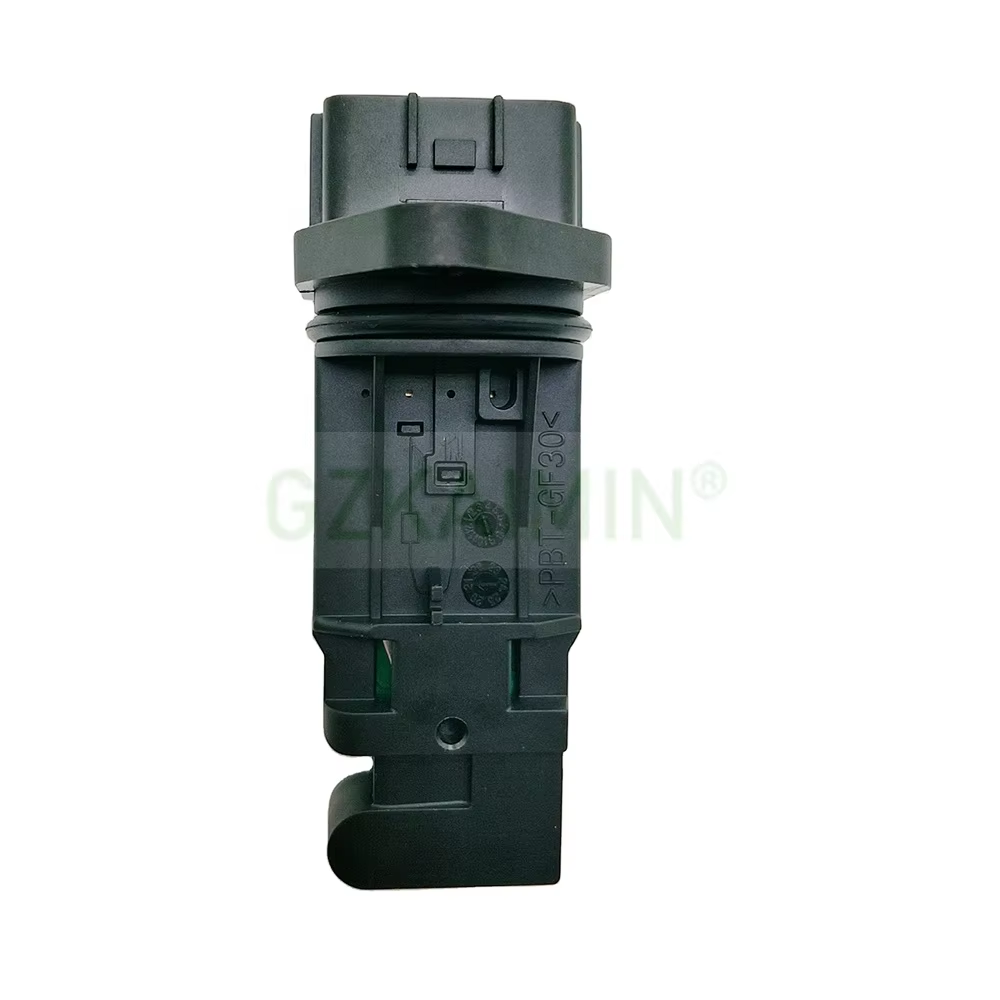
A modern air flow meter sits at the front line of engine management, translating the volume and density of incoming air into a signal the ECU uses to trim fuel delivery. Dust and fine particulate entering the intake path represent the single greatest threat to that signal. When abrasive grit reaches the internal sensing element, measurement drift begins almost immediately, and the consequences spread across fuel economy, emissions, and drivability. Understanding how contamination occurs is the first step toward controlling it.
How Dust Ruins Air Flow Measurement Accuracy
Why Particulates Distort the Hot-Film Sensing Element
The hot-film sensing element — the hot film sensor element — inside an air flow meter relies on a thin electrically heated membrane held at a fixed temperature above the passing airflow. Dust accumulation on that membrane acts as thermal insulation, slowing heat loss and forcing the control circuit to misread a lower mass flow than reality. Even sub-micron particles settle into a layer that changes the thermal balance the sensor was calibrated against. Over weeks of operation, the offset grows until the engine control unit commands the wrong fuel quantity for the actual intake air.
How Contamination Shifts the Air-Fuel Ratio
Contaminated intake air carries more than grit; it carries oil mist, soot, and road dust that coat the sensing bridge. As the measured signal drops, the engine control unit interprets less airflow and leans the mixture, raising combustion temperature and NOx output. A rich correction follows when the sensor finally sticks, then the cycle repeats. A contaminated air flow meter reports false low airflow long before any electronics fault appears. Laboratory teardown of returned units shows the sensing bridge coated with a grey film of silicon and carbon that insulates the heater.
Core Dustproof Components Inside the Meter
Filter Mesh and the Role of Pore Size
A correctly built air flow meter begins protection at the inlet with a calibrated filter mesh whose pore size blocks abrasive particles while passing air with minimal restriction. Too coarse a mesh lets grit reach the fragile bridge; too fine a mesh starves the engine of airflow and triggers a pressure differential fault. The screen sits at the inlet throat, shielding the hot-film or hot-wire element downstream. Choosing the correct pore size means balancing filtration efficiency against airflow loss, a trade-off every scheme of airflow sensor protection must respect when defending measurement accuracy.
Sealed Housing and Gasket Integrity
Behind the screen, sensor ingress protection depends on a sealed housing and a precision gasket that stop unfiltered air from bypassing the element. Any gap around the seal lets dust take a shortcut straight to the sensing surface, defeating the mesh entirely. A quality air flow meter molds the housing from glass-filled polymer and bonds the gasket to a machined flange so vibration cannot open a leak path. Regular inspection of that gasket remains cheap insurance against silent measurement loss and protects the calibration the ECU relies on for stable combustion behavior. Pressure-decay testing during production verifies that no leak path exists between the unfiltered side and the electronic cavity. A passing result confirms the gasket seats correctly under thermal cycling.
Ingress Protection Standards Buyers Should Know
What IEC 60529 IP Ratings Reveal
The IEC 60529 standard defines Ingress Protection codes that classify how well an enclosure blocks solid objects and liquids. A higher first digit means stronger defense against dust reaching internal circuits. Although an air flow meter body cannot earn a full IP6X rating because air must pass through it, the standard still guides how manufacturers seal the electronic cavity and connector. Specifiers comparing components should read the IP marking as evidence of disciplined MAF dustproof engineering rather than vague marketing language from any supplier.
Why ISO 5011 Guides Upstream Filtration
ISO 5011 establishes test procedures for air filter restriction and dust capacity, the upstream defense that spares the air flow meter most contamination. A clogged or bypassing engine air filter dumps far more grit onto the sensing element than any internal screen can catch. Procurement teams should treat filter condition and meter protection as one system. Pairing a validated filter with a meter built around sound airflow sensor protection reduces premature failures across the vehicle fleet and keeps engine performance within the designed tolerance band.
Buy, Inspect, and Maintain for Lasting Accuracy
How to Inspect the Inlet Screen and Seal
During routine service, remove the intake duct and examine the inlet screen for caked dust, insect debris, or oil film that restricts airflow. A clogged mesh mimics a failing element and distorts the signal. Check the gasket for cracks, compression set, or displacement that would let unfiltered air bypass the bridge. Any breach in the seal demands immediate replacement of the gasket or the housing. Field experience on dusty construction sites shows that a five-minute screen check prevents weeks of poor running and protects the air flow meter's hot-film sensing element from abrasive load.
Maintenance Habits That Preserve Readings
Replace the engine air filter on the severe-service interval when vehicles operate on gravel, farms, or construction sites. Never spray cleaner directly onto the hot-film bridge; use only the solvent approved for mass airflow sensor service. Keep the intake tract sealed after any filter change, and log contamination findings per vehicle. These habits extend the accurate life of the measurement element and protect the calibration the ECU depends on. A disciplined maintenance routine keeps the air flow meter working as the dustproof design intended and sustains reliable engine performance over high-mileage service.
Strong dustproof engineering decides whether an air flow meter keeps its calibration through years of harsh intake conditions. A calibrated filter mesh, a sealed housing with an intact gasket, and disciplined maintenance together stop contamination before it reaches the hot-film bridge. Buyers who weigh Ingress Protection design and upstream filtration choose components that hold accuracy longer and protect engine performance across the fleet.
Frequently Asked Questions
Question
What does an IP rating tell buyers about a dustproof meter?
Answer: An IP marking from IEC 60529 shows how strongly an enclosure blocks solid particles and moisture. A higher first digit signals better resistance to dust reaching internal circuits. Buyers should treat the rating as proof of disciplined sealing at the connector and electronic cavity. It helps separate serious dustproof engineering from vague supplier claims when comparing components for harsh operating environments.
Question
Why does dust on the hot-film element cause wrong fuel trim?
Answer: Dust acts as thermal insulation on the heated membrane, slowing heat loss to the passing airflow. The control circuit then reads a lower mass flow than reality and the engine control unit leans the mixture. That raises combustion temperature and triggers correction cycles the ECU cannot resolve. The result is erratic fuel trim and rough idle long before a fault code appears, all from physical contamination rather than electronics failure.
Question
How should the inlet screen be inspected during service?
Answer: Remove the intake duct and check the screen for caked dust, insect debris, or oil film that restricts airflow. Examine the gasket for cracks, compression set, or displacement allowing unfiltered air to bypass the bridge. Any breach demands immediate gasket or housing replacement. A five-minute check on dusty sites prevents weeks of poor running and protects the hot-film sensing element from abrasive load.
Question
Can a sealed housing fail if the gasket degrades?
Answer: Yes. The sealed housing only works while the gasket stays intact, because the gasket is what stops unfiltered air from bypassing the element. Heat, vibration, and age cause compression set or cracking that opens a leak path. Once that happens, dust reaches the sensing surface and defeats the inlet mesh. Pressure-decay testing during production confirms the seal seats correctly, but field checks remain necessary to catch wear.
Question
Which maintenance step protects the sensing element longest?
Answer: Replacing the engine air filter on the severe-service interval gives the longest protection, because a clogged or bypassing filter dumps grit straight onto the bridge. Use only the solvent approved for mass airflow sensor service and keep the intake tract sealed after each change. Log contamination findings per vehicle so trends surface early. Specifiers should pair a validated filter with a sound air flow meter to sustain accuracy across the fleet.