 EN

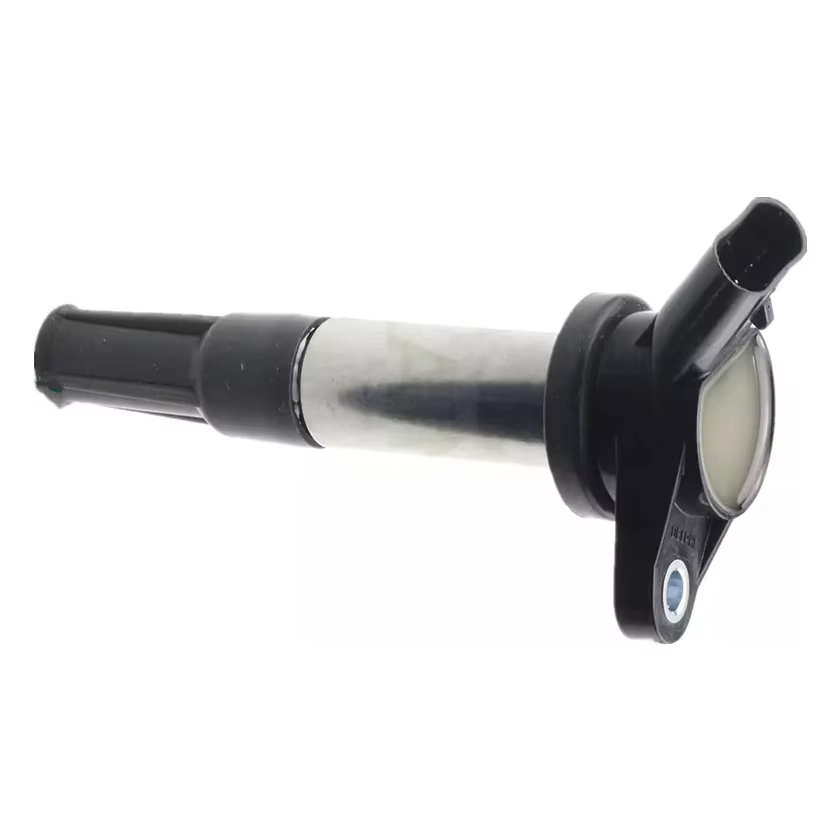
An ignition coil sits at the heart of every gasoline engine's spark system, turning a low 12-volt supply into the tens of thousands of volts a spark plug needs. Around that violent voltage jump, insulation decides whether the energy reaches the plug or leaks away. Selecting the right materials protects engine performance, fuel economy, and emission control while preventing nuisance faults on the road.
How an Ignition Coil Steps Up Voltage
The Step-Up Principle of the Spark Coil
The ignition coil is essentially a small transformer built from a primary winding and a secondary winding wrapped on a shared magnetic core. When current through the primary is interrupted, the collapsing magnetic field induces a much higher voltage in the secondary. A typical spark coil raises the supply to 20,000–45,000 volts, enough to jump the plug gap. The winding ratio and core material set the step-up, while the insulation around those windings determines whether the high voltage stays contained.
Why the Secondary Side Needs Strong Insulation
Secondary windings carry the highest potential in the whole ignition system, so the dielectric barrier around them must resist breakdown at extreme gradients. Thin enamel on fine wire, plus bulk potting, creates layered protection. Without rated dielectric strength, the voltage finds the shortest path to ground. Good ignition coil insulation also blocks moisture and carbon tracking, two common causes of intermittent misfire on aged engines that see frequent heat-soak cycles. Engineers specify a minimum dielectric withstand and track a partial-discharge threshold so the barrier survives years of switching stress. A high comparative tracking index keeps conductive paths from forming on the plastic surface when humidity rises.
The Insulation Materials That Protect a Coil Pack
Epoxy Potting and Silicone Boots
Epoxy potting fills the internal cavity of a coil pack, locking windings against vibration and sealing out water, oil, and salt spray. A cured epoxy forms a rigid, high-dielectric shell that resists thermal cycling from repeated hot-cold swings under the hood. Silicone boots cover the high-tension terminal and plug connection, staying flexible across a wide temperature band so they do not crack. Together they stop corona, arcing, and external flashover at the tower. Modern formulations also dissipate heat from the copper, lowering hot-spot temperature and slowing material aging. A low coefficient of thermal expansion keeps the seal tight through winter cold and summer heat alike.
PBT Bobbins and Varnish Coating
Polybutylene terephthalate (PBT) and polyamide (PA) bobbins hold the copper windings in precise alignment while acting as the first insulating barrier between turns. A PBT coil bobbin resists heat and creep, keeping the geometry stable. A varnish dip then bonds and seals each layer of wire, raising dielectric strength and blocking capillary moisture. Quality ignition coil insulation pairs a tough bobbin with thorough varnish impregnation so no air pocket remains to ionize. After dipping, the assembly is baked so the resin fully cures and bonds to the bobbin wall. This removes voids that would otherwise concentrate the electric field and invite breakdown under load.
When Insulation Breaks Down, Misfire Follows
A Real Cracked-Insulation Misfire Case
A fleet operator running delivery vans reported rough idle and a stored misfire code on a 180,000 km unit. Background: the vans saw daily short trips and constant heat soak. Problem: a hairline crack had formed in the epoxy near the tower, letting moisture track to ground. Solution: the failed ignition coil was replaced with a unit using full epoxy fill and a reinforced silicone boot. Effect: the misfire cleared, fuel trim normalized, and no repeat fault appeared across 40,000 km of follow-up.
Arcing Paths and Lost Spark Energy
When the dielectric barrier fails, high voltage jumps through the crack instead of the plug gap. That arcing wastes energy, heats the plastic, and widens the fault. Drivers notice hesitation, poor throttle response, and elevated emissions as the catalyst works harder. Left alone, a single weak coil can stress neighboring cylinders. Regular inspection of the boot and tower for carbon tracks catches the problem before it strands a vehicle on the road. A simple ohmmeter check across the terminal and case reveals leakage that a scan tool may miss. Swapping one weak unit early protects the catalytic converter and keeps emission levels inside the allowed range.
Standards, Inspection and Care
Flammability and Safety Benchmarks
Reputable coil housings use plastics rated under UL 94 for flame retardance, limiting fire spread if an internal fault occurs. Rotating electrical machines and components are referenced against IEC 60034 for insulation class and thermal endurance, a useful benchmark for temperature rating. ISO 6469 addresses electrical safety in electrified vehicle systems, reinforcing why dielectric isolation matters. These benchmarks guide material selection even on conventional combustion platforms.
Buy, Inspect and Maintain Wisely
Buy from a supplier that documents material specs and thermal rating rather than vague claims. Inspect boots for hardness, cracks, or white powdery tracking at every plug service. Maintain by keeping the engine bay clean of oil and coolant leaks that accelerate insulation aging. Replace a suspected coil as a matched set only when diagnosis confirms the fault, avoiding unnecessary parts. Store spares away from direct sun and heat to preserve the epoxy and silicone. During fitment, seat the boot firmly and avoid twisting the lead, which can fracture the potting. Confirm the connector latch clicks, and log mileage at replacement to spot repeat failures across a fleet.
In short, the materials that protect an ignition coil work as a layered system: epoxy potting seals the core, PBT and PA bobbins hold the windings, varnish bonds each turn, and silicone boots flex at the terminals. Strong thermal and electrical insulation keeps high voltage on the right path, prevents arcing, and sustains smooth combustion. Specifying the right insulation extends service life and shields engines from nuisance misfire.
Frequently Asked Questions
Question
What insulation material is most common inside a coil pack?
Answer: Epoxy potting is the most common internal sealant, filling cavities to lock windings and block moisture, oil, and salt. PBT or polyamide bobbins insulate between turns, and a varnish dip bonds each layer. Silicone boots shield the terminal. This layered system gives strong dielectric strength and resists thermal cycling, which is why most modern coils depend on it for reliable high-voltage service.
Question
Why does cracked insulation cause engine misfire?
Answer: Cracked insulation opens a low-resistance path to ground, so the high voltage jumps through the fault instead of the plug gap. That arcing wastes energy and triggers a misfire, with rough idle and hesitation. Moisture and carbon tracking worsen the leak. Replacing the failed part and sealing the tower restores normal combustion and clears the stored fault code before further damage spreads.
Question
How does epoxy potting protect a high-voltage winding?
Answer: Epoxy potting surrounds the windings of an ignition coil with a rigid, high-dielectric shell that locks out moisture, oil, and vibration. Curing eliminates air pockets where corona could start, so the voltage stays on the wire. The result is stable insulation resistance across thermal cycling and no capillary path for water. That protection is why potted coils outlast open-frame designs in harsh under-hood conditions.
Question
Can a coil still spark with a damaged silicone boot?
Answer: A damaged boot can still pass some spark, but ozone and heat widen any crack until flashover occurs outside the terminal. That external arc misses the plug, causing intermittent misfire and raising fire risk near oil. Inspect boots for hardness or white tracking at each service, and replace at the first sign of cracking to protect the rest of the ignition system from cascading faults.
Question
Which plastic grade suits a hot under-hood bobbin?
Answer: PBT (polybutylene terephthalate) and polyamide grades rated for continuous heat suit a coil bobbin, holding windings steady without creep. Look for flame-retardant classification under UL 94 and a thermal rating aligned with IEC 60034 insulation classes. A stable, low-shrink plastic keeps turn-to-turn spacing exact, preserving dielectric strength through years of hot-cold engine cycles.