 EN

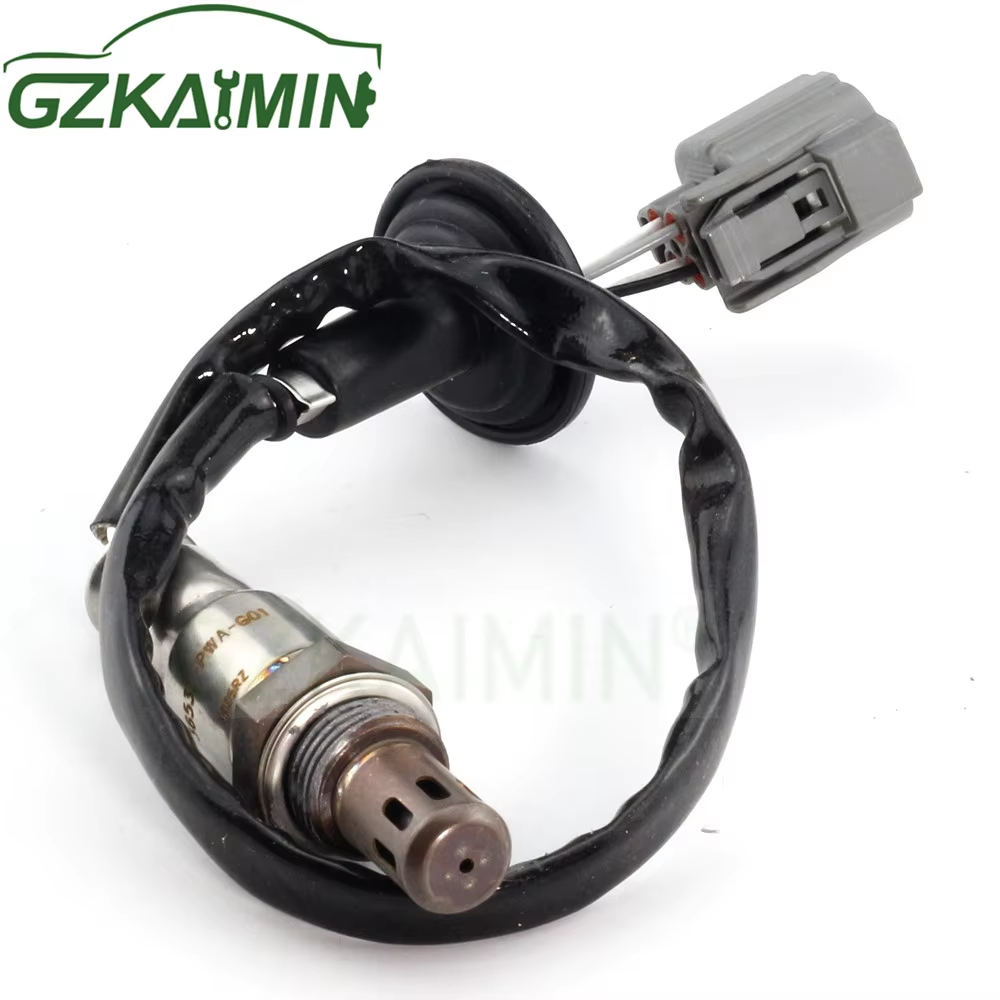
An oxygen sensor lives in one of the harshest places on a vehicle. Mounted directly in the exhaust stream, it faces extreme heat, acidic condensate, road salt, and constant vibration. Such a part must therefore survive where ordinary components fail. Corrosion is the silent killer of these parts: once terminals oxidize or the housing cracks, signal accuracy collapses and the engine management system loses its feedback loop. Few buyers notice the threat until a failed unit triggers a check-engine light and a sudden drop in miles per gallon.
The Exhaust Environment and Its Corrosion Threat
Salt, Moisture, and Chemical Attack in Exhaust Systems
An oxygen sensor operates where exhaust gas, water vapor, and de-icing salt meet. Winter roads spray chloride-rich brine that reaches the sensor body through wheel splash and chassis channels. Combined with the sulfur and nitrogen compounds in exhaust gas, this creates a strongly corrosive electrolyte. Galvanic corrosion then attacks dissimilar metal junctions, while humid air accelerates oxidation on bare terminals. Without a defensive design, the lambda probe degrades within a single cold season.
A Coastal Fleet's Costly Corrosion Failure
A regional delivery company operating near a Gulf Coast port noticed rising fuel consumption across twelve vans. Technicians first blamed the engine management software. The true cause emerged during inspection: the oxygen sensor terminals had green copper oxide buildup, and the harness boot had hardened and split. Salt-laden sea air plus daily wash-downs had eaten through unprotected plating. Replacing the units with corrosion-resistant sensor versions and sealing the connectors restored fuel economy and cleared the intermittent lean-fault codes within two weeks. The lesson was clear: in salty, wet climates, the ingress protection rating and the quality of terminal plating decide whether a lambda probe lasts one season or five. Fleets that switched to parts with sealed connectors and stainless bodies reported fewer unplanned stops and steadier exhaust readings across the following year.
Core Protective Treatments on a Quality Oxygen Sensor
PPS Housing, Stainless Sheath, and Terminal Plating
A quality oxygen sensor starts with a polyphenylene sulfide (PPS) housing. PPS resists both high temperature and chemical attack, so it does not soften or absorb moisture like ordinary plastics. The probe body is wrapped in a stainless steel sheath that shrugs off exhaust acid and thermal cycling. Terminals receive nickel plating beneath a thin gold plating layer: nickel blocks corrosion, while gold ensures a low-resistance contact that survives thousands of heat cycles without oxidizing.
Waterproof Harness and Sealed Connectors
Corrosion often begins at the wiring, not the element. A corrosion resistant sensor therefore ships with a waterproof harness and molded sealed connectors that protect the oxygen sensor signal path. This O2 sensor anti-corrosion measure keeps the signal circuit dry even when surrounding exhaust hardware starts to rust. These use a dielectric grease and rubber grommets to block moisture ingress. Ingress protection at the connector prevents the conductive path that causes false readings. When the harness seal stays intact, the lambda probe keeps a clean signal even through flooded streets and high-pressure washes.
The Science and Standards Behind Corrosion Resistance
How Plating and Coating Processes Work
On such a component, the protective performance comes from layered engineering. Base metal is cleaned, then electroplated with nickel to form a dense barrier against electrochemical attack. A flash of gold or tin follows for solderability and contact stability. Exposed surfaces may receive a ceramic-based sensor coating that resists exhaust acid. Each layer is controlled for thickness because too little plating leaves pinholes, while too much risks cracking under thermal stress during long drives. Modern lines also bake a hydrophobic seal over the harness entry, stopping capillary moisture from creeping toward the sensing element even after years of thermal cycling. A proven sensor coating keeps moisture away from the element while the plating does the same for the terminals.
Proven by Salt-Spray and Industry Standards
A part validated under ISO 9227 neutral salt-spray exposure proves its durability in a controlled chamber that simulates years of coastal corrosion. ASTM B117 guides the spray duration and evaluation, while IEC 60068 covers environmental endurance for automotive electronics. These standards give fleets a measurable benchmark: a component that survives extended salt-spray testing will outlast unprotected alternatives in real exhaust systems. Independent laboratories report results in hours of exposure, letting procurement compare corrosion resistance on equal terms instead of trusting vague claims.
Buying, Installing, and Maintaining for Longevity
Inspection and Purchasing Advice
Procurement teams should verify the listed treatments rather than trust marketing when selecting an oxygen sensor. Check that the product specifies PPS housing, stainless steel sheath, and nickel or gold terminal plating. Request salt-spray test documentation referencing ISO 9227. Match the lambda probe to the exact vehicle platform, since fitment errors expose threads to leakage. Buy from suppliers with verifiable manufacturing history and clear material declarations. A documented IP (ingress protection) grade and named plating thickness show real engineering discipline, whereas anonymous listings hide the very details that predict field life. Demanding O2 sensor anti-corrosion proof, such as salt-spray records, separates engineered parts from cosmetic copies.
Routine Care to Prevent Corrosion
Installation discipline protects the investment. Apply dielectric compound to terminals, torque the sensor to spec, and never reuse a cracked harness boot. During service, inspect connectors for white powder or green tint that signals early oxidation. Wash underbody areas in winter to remove chloride buildup, but avoid aiming high-pressure jets directly at the connector. A few minutes of inspection each service interval extends the working life of the oxygen sensor far beyond the corrosive season.
Corrosion resistance is engineered, not accidental. A quality oxygen sensor combining PPS housing, stainless steel, plated terminals, and a sealed harness will keep delivering accurate exhaust data through salt, heat, and humidity. Choosing verified parts and following simple maintenance turns a vulnerable component into a dependable one for the whole vehicle.
Frequently Asked Questions
Question
What protective coatings does a corrosion resistant sensor use?
Answer: A quality oxygen sensor relies on layered defense: a PPS housing blocks chemical attack, a stainless steel sheath resists exhaust acid, and nickel with gold terminal plating prevents oxidation. A waterproof harness with sealed connectors stops moisture at the wiring. Together these treatments keep the measurement element and contacts stable, so the part survives salt, humidity, and heat that would destroy unprotected components.
Question
Why does corrosion matter so much in exhaust systems?
Answer: Exhaust systems concentrate heat, moisture, and corrosive gases in one zone. Road salt and condensate form an electrolyte that drives galvanic and electrochemical corrosion on bare metal. When terminals or the housing degrade, the sensor sends false voltage and the engine runs rich or lean. That raises fuel use and stresses the catalyst. Corrosion resistance is therefore essential for reliable feedback control.
Question
How are anti-corrosion platings applied to sensor terminals?
Answer: Terminals are cleaned, then electroplated with a nickel underlayer that forms a dense corrosion barrier. A thin gold or tin flash is added for stable, low-resistance contact. Thickness is tightly controlled because thin plating leaves pinholes and thick plating cracks under thermal cycling. Some exposed surfaces also get a ceramic coating that resists exhaust acid, completing the protective stack.
Question
Can salt-spray testing predict real-world sensor life?
Answer: Salt-spray testing gives a strong, repeatable indicator of durability. Under ISO 9227 and ASTM B117, parts face accelerated chloride exposure that mimics coastal and winter-road conditions. A sensor that passes extended testing will generally outlast untreated units in daily exhaust environments. Testing does not capture every road variable, but it remains the accepted benchmark for comparing corrosion resistance.
Question
Which features show a sensor is built to resist corrosion?
Answer: Look for a declared PPS housing, stainless steel sheath, and nickel or gold terminal plating, plus a waterproof harness with sealed connectors. Ask suppliers for ISO 9227 salt-spray results and confirm the lambda probe matches the vehicle platform. Clear material documentation and a verifiable manufacturing record are stronger signals of corrosion resistance than vague performance claims.