 EN

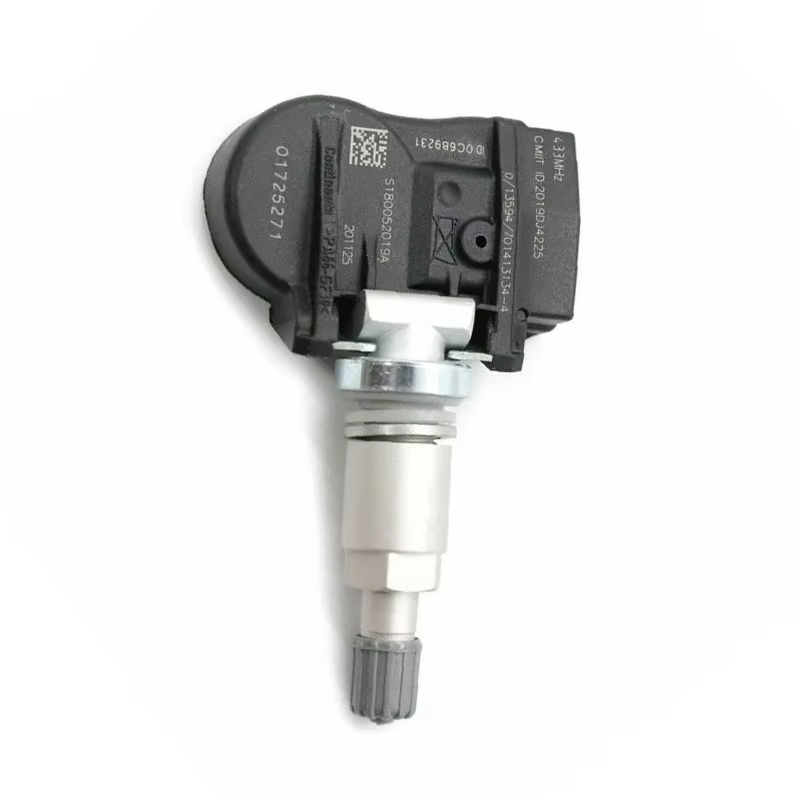
Procurement teams in Europe, the Middle East, and Southeast Asia keep asking which car sensors move fastest for Japanese and German vehicles. Demand tracks engine architecture, electronic control strategy, and real-world fleet aging. This guide breaks down the sensor types distributors reorder most, explains why buyers behave differently, and shows how disciplined sourcing protects margin and fitment.
Why Japanese and German Platforms Buy Differently
Japanese Platforms Favor Volume and Simplicity
Japanese car sensors dominate high-turnover markets because the platforms emphasize reliable, low-cost electronic control. Models from Toyota, Honda, and Nissan use mature engine management designs where a single oxygen sensor, a mass airflow sensor, and a camshaft position sensor cover most failure-driven replacements. Buyers reorder these parts in steady batches because the installed base is enormous and service intervals are predictable. The procurement logic favors broad coverage, simple fitment, and consistent signal behavior over deep diagnostic features. Workshops serving Japanese fleets therefore prefer broad distributor kits that cover multiple model years without separate research.
German Platforms Prioritize Diagnostic Precision
German platforms from Volkswagen, BMW, and Mercedes-Benz pack more electronic control units and expect granular fault reporting. Here, ABS wheel speed sensors, crankshaft position sensors, and manifold absolute pressure sensors must meet tighter tolerances because the engine control unit triggers a diagnostic trouble code at the first sign of drift. Procurement shifts toward precision parts with verified signal output. Buyers accept higher unit cost when the component reduces comebacks and protects the vehicle's emission and stability systems. Sourcing German car sensors therefore demands tighter incoming inspection, because a small tolerance gap triggers a dashboard warning that workshops must clear with calibrated scan tools.
The Five Sensor Types in Highest Demand
Oxygen and MAF Sensors Lead Global Volume
The oxygen sensor, often called a lambda sensor, and the mass airflow sensor top every reorder list. Both directly govern the air-fuel ratio, so wear or contamination forces a rich or lean condition that raises fuel consumption and trips the check engine light. For Japanese cars the demand centers on heated zirconia O2 sensors; for German cars the mass airflow sensor with a hot-film element sees heavier turnover. The aftermarket for car sensors stays liquid because these two families fit the widest range of applications, letting distributors bundle them with ignition coil and fuel injector programs. Contamination from oil vapor remains the leading cause of mass airflow sensor drift in both platforms.
ABS Wheel Speed and Cam/Crank Sensors Follow
ABS wheel speed sensors rank high because brake and stability control systems rely on wheel-speed data at every corner. A single failed sensor disables traction control and lights the dashboard. Camshaft and crankshaft position sensors follow closely; they synchronize injection and ignition timing, and a weak signal causes hard starting or stalling. German fleets reorder wheel-speed units more often thanks to complex stability programming, while Japanese buyers balance both families evenly across high-mileage service. Demand for car sensors in this group grows with winter fleets, where road salt and wheel-hub corrosion attack ABS tone rings and speed-sensor harnesses.
MAP and Throttle Position Sensors Complete the List
Manifold absolute pressure sensors and throttle position sensors close out the top five. The MAP sensor reads intake load so the engine control unit can trim fuel, and the throttle position sensor confirms pedal intent. Both are small, affordable, and prone to harness and connector wear. Procurement teams treat them as companion stock, since a complete sensor program keeps a catalog competitive for mixed Japanese and German workshops. Even value-focused buyers rank car sensors like MAP and throttle position units as essential stock, since a single open-circuit reading strands a vehicle.
A Distributor Case — Which Sensors Sell Fastest
Background and the Sourcing Problem
A regional distributor serving garage networks in the Gulf faced chronic stockouts during peak summer. Background: the company carried dozens of unrelated sensor SKUs but lacked a clear demand ranking. Problem: oxygen and mass airflow sensor shortages caused lost sales, while slow-moving cam and crank units tied up cash. Technicians kept returning mismatched parts because signal specs differed between Japanese and German applications, eroding trust and squeezing already thin reorder margins on every shipment.
Solution and Measurable Effect
The distributor trimmed the catalog to the five high-velocity families and sourced them from an IATF 16949-certified supplier with full application cross-reference. Solution: batch orders now follow actual failure rates instead of guesswork, and each part ships with verified connector and signal data. Effect: out-of-stock incidents dropped sharply, returns fell, and garage accounts reordered oxygen and mass airflow sensors on a predictable monthly cycle, stabilizing cash flow and lifting catalog credibility across both vehicle platforms. Cross-training the sales desk on platform differences further cut order mismatches.
How Procurement Teams Select Reliable Suppliers
Certifications, Inspection, and Maintenance Advice
Authoritative sourcing starts with standards. Reputable automotive sensor suppliers hold IATF 16949 and ISO 9001, and SAE specifications guide electrical and signal performance. Before a bulk order, inspect the housing, harness connector, and laser-etched marking; confirm the part number against the vehicle application. Procurement teams weighing OEM sensors and aftermarket equivalents should prioritize verified signal output over the lowest sticker price. Use sensors within their rated temperature range and keep terminals clean to avoid false diagnostic trouble codes. Maintain a demand-ranked stock list so the top five families stay available, protecting both fitment accuracy and workshop satisfaction. Automotive sensor suppliers that publish test data for car sensors help procurement teams set reorder thresholds with confidence.
Procurement demand for car sensors splits cleanly along platform lines, yet the same five families — oxygen, mass airflow, ABS wheel speed, cam/crank, and MAP — sit at the top of nearly every distributor's reorder list. Japanese buyers reward volume and simplicity; German buyers pay for precision and diagnostic depth. A standards-backed supplier, disciplined inspection, and a demand-ranked catalog turn sensor sourcing from a guessing game into a predictable, profitable routine for workshops worldwide.
Frequently Asked Questions
Question
What sensor types do Japanese and German buyers reorder most?
Answer: Japanese and German buyers reorder oxygen sensors, mass airflow sensors, ABS wheel speed sensors, camshaft and crankshaft position sensors, and manifold absolute pressure sensors most often. These five families cover the bulk of failure-driven replacements across both platforms. Distributors treat them as core stock because workshops request them weekly, and steady turnover keeps catalog cash flowing without tying capital in slow-moving specialty parts.
Question
Why does German demand favor precision sensors over volume?
Answer: German platforms pack more electronic control units and expect granular fault reporting, so a drift in wheel speed or cam timing triggers a diagnostic trouble code fast. Buyers pay more for tighter tolerances because comebacks from false codes cost more than the part. Japanese platforms favor simpler control logic, so volume and fitment matter more than deep diagnostic spec, shifting procurement toward broad, low-cost coverage.
Question
How should procurement rank sensor stock for mixed fleets?
Answer: Rank stock by actual failure rate per platform rather than catalog length. Start with oxygen and mass airflow sensors, then ABS wheel speed and cam/crank units, then MAP and throttle position parts. Keep a demand-ranked list, trim slow movers, and confirm each part number against the vehicle application. A tight, high-velocity catalog reduces warehouse cost and protects fitment accuracy for mixed Japanese and German service bays.
Question
Can aftermarket sensors match OEM signal behavior?
Answer: Aftermarket car sensors from certified suppliers can match OEM signal behavior when built to the same electrical and tolerance specs. SAE and ISO 9001 guidance helps verify output curves, response time, and connector fit. The key is sourcing from a manufacturer that publishes test data and cross-references applications. Price alone is a poor signal; verified performance and low return rates protect workshop trust far better than the lowest sticker.
Question
Which standards should automotive sensor suppliers hold?
Answer: Reputable automotive sensor suppliers should hold IATF 16949 and ISO 9001, which govern quality management and traceability in automotive production. SAE specifications guide electrical and signal performance, while a documented incoming-inspection process catches connector and marking defects. Procurement teams gain confidence when the supplier provides application cross-reference and batch test reports, since these reduce mismatches and keep mixed-platform inventories accurate and compliant.