 EN
EN

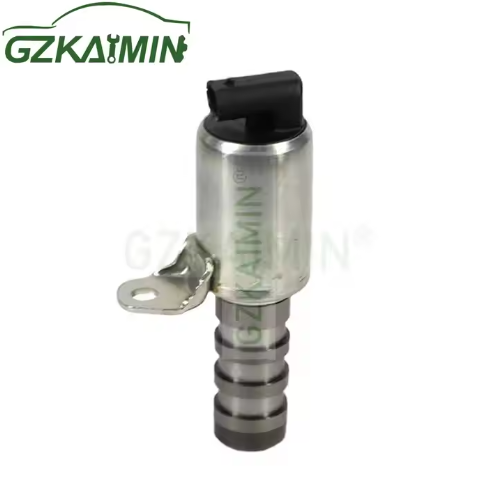
Ինչպես է VVT փականը թույլատրում ճշգրիտ այրման վերահսկումը՝ նվազեցնելու NOx-ի մակարդակը
Բացման ժամանակի մոդուլյացիան նվազեցնում է այրման առավելագույն ջերմաստիճանները
Երբ շարժիչի ջերմաստիճանը հասնում է մոտավորապես 2500 Ֆարենհայթի (1371 Ցելսիուսի) կամ դրանից բարձր, ազոտի օքսիդները սկսում են առաջանալ այրման գործընթացի ընթացքում: Ավանդական շարժիչները սովորաբար հասնում են այս ջերմաստիճանային մակարդակներին բավականին հաճախ: Դա հենց այն պահն է, երբ սկսում է աշխատել փոփոխական վալվերային ժամանակացման համակարգը (VVT): VVT համակարգը կարգավորում է կամշաֆտի դիրքը՝ այնպես, որ կարողանա փոխել վալվերների բացվելու և փակվելու պահը շարժիչի ամբողջ ցիկլի ընթացքում: Երբ շարժիչը ծանր բեռնված է, մուտքի վալվերի փակման պահի հետաձգումը իրականում նվազեցնում է այսպես կոչված «արդյունավետ սեղմման հարաբերությունը»: Այս նվազումը նվազեցնում է այրման խցիկների բարձր ջերմաստիճանը մոտավորապես 200–300 Ֆարենհայթ (110–165 Ցելսիուս) սաստիկ տաքացման մակարդակից: Ի՞նչ է ստացվում դրա արդյունքում. այրումը մնում է ազոտի օքսիդների առաջացման վտանգավոր գոտուց դուրս, մինչդեռ շարժիչի հզորության արդյունավետ մատակարարումը պահպանվում է: Մեծ ավտոմեքենաների արտադրողները մանրակրկիտ փորձարկել են այս մոտեցումը: Նրանց տվյալները ցույց են տալիս, որ ճիշտ VVT համակարգ ունեցող տուրբոշարժիչներից ազոտի օքսիդների արտանետումը նվազում է մոտավորապես 40–60 %-ով: Այս նվազեցումները օգնում են համապատասխանել խիստ Եվրո 6 ստանդարտներին՝ առանց արտանետումների հետագա մշակման բաղադրիչների վրա լրացուցիչ բեռնվածք ստեղծելու:
ՎՎՏ կարգավորվող փականավոր արտահոսքի գազերի շրջապտույտ (iEGR)՝ համատեղման կառավարման միջոցով
Երբ մուտքի և ելքի փականները միաժամանակ բացվում են այսպես կոչված փականների համատեղման ժամանակ, VVT համակարգը թույլ է տալիս մասնակի դուրս գացող գազերի վերաշրջանառումը շարժիչի ներսում (սա հայտնի է որպես ներքին EGR կամ iEGR): Այս գործընթացը իրականացվում է այն պատճառով, որ այդ փականները երկար են մնում բաց վիճակում, որպեսզի օգտագործված գազերը նորից ձգվեն դեպի շարժիչի գլաններ, որտեղ նրանք խառնվում են թարմ վառելիքի և օդի հետ: Հաջորդ տեղի ունեցող երևույթը բավականին հետաքրքիր է. այդ վերաշրջանառված գազերը իրականում նվազեցնում են այրման համար հասանելի թթվածնի քանակը և նաև նվազեցնում են ջերմության կուտակման աստիճանը: Այդ պատճառով այրման ջերմաստիճանները իջնում են 150–250 Ֆարենհայթի սանդղակով: Ավանդական EGR համակարգերի համար անհրաժեշտ են շարժիչի մարմնի շուրջ տարածված տարբեր խողովակներ և մալույթներ, ինչպես նաև դրանք արձագանքման համար շատ երկար ժամանակ են պահանջում՝ երբ փոխվում են շահագործման պայմանները: Սակայն VVT-ի կառավարվող iEGR-ի դեպքում համակարգը կարող է արագ հարմարվել՝ արձագանքելով ընդամենը մի քանի միլիվայրկյանում: Իրական աշխարհի փորձարկումները ցույց են տվել, որ այս տեխնոլոգիան օգտագործող շարժիչները արագացման դժվարին փուլերի ընթացքում ազոտի օքսիդների արտանետումը 35 % է նվազեցնում՝ համեմատած հին՝ անշարժ փականներ ունեցող շարժիչների հետ: Այն արտադրողների համար, որոնք ձգտում են համապատասխանել ավելի խիստ արտանետումների ստանդարտներին, ինչպես օրինակ EPA Tier 3-ը, այս տեսակի արդյունավետությունը մեծ նշանակություն ունի:
VVT փականի օպտիմալացում սառը սկսման ժամանակ առաջացող վնասակար արտանետումների և կատալիզատորի աշխատանքի սկսման համար
Կատալիզատորի տաքացման արագացում մուտքային/ելքային փուլավորման միջոցով
Երբ շարժիչները սկսվում են սառը, VVT փականը իր մեջ պարունակում է մեխանիզմ, որը ճշգրտում է մուտքային և ելքային փականների բացման ու փակման պահերը: Սա թույլ է տալիս տաք ելքային գազերին ուղղվել ճիշտ այնտեղ, որտեղ դրանք անհրաժեշտ են՝ ուղղակի դեպի կատալիզատոր, ինչը նրան տաքացնում է շատ ավելի արագ, քան սովորաբար: Ճշգրիտ ժամանակային ճշգրտումների շնորհիվ կատալիզատորը հասնում է «լուսավորման» (light-off) ջերմաստիճանին, որտեղ այն սկսում է վերափոխել վնասակար արտանետումները՝ փորձարկումների համաձայն՝ մինչև քառասուն տոկոսով ավելի արագ: Սա շատ կարևոր է, քանի որ մեքենաների մեծամասնությունը իր ընդհանուր հիդրուածխածնային արտանետումների 60–80 %-ը արտանետում է այն ժամանակ, երբ սպասում է, որ կատալիզատորը բավարար տաքանա իր աշխատանքը սկսելու համար:
Իրական ազդեցություն՝ սառը սկսման ժամանակ հիդրուածխածնային արտանետումների 40–60 %-ով նվազում
Հետազոտությունները ցույց են տալիս, որ փոփոխական վալվերային ժամանակացույցի (VVT) ճիշտ կարգավորման դեպքում սա կարող է նվազեցնել սառը շարժիչի միացման անմիջապես հետո առաջացող այդ բարդ հիդրուածխածնային արտանետումները 40–60 տոկոսով: Դա այսօր մեծ նշանակություն ունի, հատկապես մոտալուտ Եվրո 7 կանոնակարգերի կիրառման պայմաններում: Սառը միացման փորձարկումները կազմում են ավելի քան երկու երրորդը այն թեստերից, որոնք արտադրողները ստիպված են հաջողությամբ անցնել այդ կանոնակարգերի համաձայն սերտիֆիկացման համար: Այստեղ տեղի ունեցողը կարևոր է, քանի որ եթե շարժիչը չի այրում վառելիքի ամբողջ քանակը շարժիչի տաքացման ընթացքում, ապա մնացած վառելիքը ուղղակի դուրս է գալիս արտանետման խողովակից: Բարձրորակ VVT համակարգերը կանխում են սա, ինչը նշանակում է՝ վնասակար արտանետումների նվազում մեր քաղաքների օդում և մեր երկրի բոլոր քաղաքային տարածքներում հանդիպող մառախուղի խնդիրների դեմ պայքարի աջակցում:
VVT վալվերի դերը համաշխարհային խիստ արտանետման ստանդարտներին համապատասխանելու համար
Եվրո 7, Չինաստանի 6b և EPA Tier 3 կանոնակարգերին համապատասխանելու հնարավորության ստեղծում
Այսօրվա մթնոլորտի աղտոտման սահմանափակումները պահանջում են շատ ճշգրիտ վերահսկում այն բանի վրա, թե ինչպես են շարժիչները վառելանյութը այրում: Հենց այստեղ են օգտակար լինում VVT փականները, քանի որ դրանք կարող են ճշգրտել փականների բացվելու և փակվելու պահը, ինչը նպաստում է ազոտի օքսիդների (NOx) և մուրաբերդի մասնիկների նվազեցմանը: Օրինակ՝ Euro 7 ստանդարտները պահանջում են NOx-ի քանակի կեսի չափով նվազում՝ համեմատած Euro 6-ի թույլատրված սահմանների հետ: VVT համակարգերը հիմնականում բավարարում են այս պահանջը՝ ճշգրտորեն վերահսկելով այսպես կոչված ներքին արտանետված գազերի ռեցիրկուլյացիան: Նույնը վերաբերում է Չինաստանի 6b կանոնակարգին, որը ստուգում է արտանետումները իրական ճանապարհային վարումի ընթացքում, ինչպես նաև EPA Tier 3 ստանդարտներին, որոնք պահանջում են հիդրունների 80 %-ով նվազում: Բոլոր այս ստանդարտները խիստ կախված են VVT տեխնոլոգիայից՝ ապահովելու օդի և վառելանյութի ճիշտ խառնուրդը՝ նույնիսկ երբ վարումը հանկարծակի փոխվում է: Օքսիջենի և վառելանյութի միջև քիմիական հավասարակշռության հասնելը մնում է կարևորագույն պայման՝ ապահովելու համար, որ արտադրողների մեքենաները հաջողությամբ անցնեն բոլոր այդ խիստ միջազգային արտանետման ստուգումները:
Դիագնոստիկ կապ. VVT փականների խափանումների առաջացման մեխանիզմը՝ որը առաջացնում է P0011 սխալի կոդը և հետագայում հանգեցնում P0420 սխալի կոդի
Երբ VVT համակարգերը ձախողվում են, դրանք առաջացնում են խնդիրների շղթայական ռեակցիա, որը լրիվ խաթարում է արտանետումների ստանդարտներին համապատասխանելու պայմանները: Եթե VVT փականը կպչում է կամ շարժվում է չափազանց դանդաղ, սովորաբար առաջանում է P0011 կոդը՝ նշելով, որ կամերայի ժամանակավորումը չափից ավելի առաջ է գնում: Դա տեղի է ունենում կա՛մ յուղի ճնշման բավարար մակարդակի բացակայության, կա՛մ սոլենոիդի խափանման պատճառով: Ի՞նչ է ստացվում. վատ այրում, երբ վառելիքը չի այրվում ճիշտ, և անայրված հիդրուտածնային միացությունները մտնում են արտանետման համակարգ: Այս կուտակումները կարող են վերածել կատալիտիկ նեյտրալիզատորը այն սահմանից ավելի, որի համար այն նախատեսված է: Երբ նեյտրալիզատորը սկսում է կորցնել իր արդյունավետությունը, առաջանում է մեկ այլ կոդ՝ P0420, որը ցույց է տալիս, ո что կատալիտիկ համակարգի արդյունավետությունը ցածր է ընդունելի մակարդակից: Հետազոտությունները ցույց են տալիս, որ այս տիպի խափանումները կարող են բարձրացնել հիդրուտածնային արտանետումները 200–400 %-ով, ինչը ակնհայտորեն խախտում է ինչպես Euro 7, այնպես էլ EPA Tier 3 ստանդարտները: Այս VVT-ին վերաբերող կոդերի վաղ հայտնաբերումն ու վերացումը բազմակի առումներով իմաստավորված է՝ ոչ միայն կարգավորող մարմինների հետ խնդիրներից խուսափելու, այլև թանկարժեք հետայնացման բաղադրիչների փոխարինման ծախսերի խնայման նպատակով:
ՎՎՏ փականի վրա հիմնված արտանետումների նվազեցման և շահագործման փոխզիջումների հավասարակշռում
VVT վալվերի տեխնոլոգիան անշաք կրճատում է արտանետումները՝ երբեմն սառը ստարտի ժամանակ հիդրուածխաջրերի արտանետումը 50–60 %–ով: Սակայն կա մեկ պայման: Այս համակարգը պահանջում է ճիշտ յուղի ճնշում և ճիշտ վիսկոզություն, որպեսզի վալվերները ճիշտ ժամանակավորվեն: Եթե սա սխալ է կատարվում, հաճախ առաջանում են սոլենոիդների կամ յուղի կառավարման վալվերների խնդիրներ: Մեխանիկները սա շատ հաճախ են հանդիպում: Այս մեխանիկական խնդիրները սովորաբար արտահայտվում են սխալի կոդերով, օրինակ՝ P0011, և եթե դրանք անտեսվեն, կարող են առաջացնել ավելի ծանր խնդիրներ, օրինակ՝ կատալիտիկ մաքրիչի վնասվածք (P0420 կոդ): Հենց դրա համար է այնքան կարևոր սովորական սպասարկումը: Հետևեք արտադրողի առաջարկություններին յուղի տեսակի և փոխարինման հաճախականության վերաբերյալ: Եվ հետաքրքիր փաստ. չնայած բոլոր այս բարդություններին, ճիշտ սպասարկվող VVT համակարգ ունեցող մեքենաները սովորաբար 5–7 %–ով ավելի քիչ վառելիք են օգտագործում՝ շնորհիվ ավելի բարձր այրման արդյունավետության: Այսպիսով, լրացուցիչ ջանքերը երկար ժամանակ ապահովում են ինչպես ֆինանսական, այնպես էլ շրջակա միջավայրի վրա դրական ազդեցություն:
Հաճախ տրամադրվող հարցեր
Ինչ է ՎՎՏ-ի (փոփոխական վալվերային ժամանակացույցի) նպատակը շարժիչում?
Փոփոխական վալվերային ժամանացույցի (ՎՎՏ) համակարգը թույլ է տալիս կարգաբերել կամշաֆտի դիրքը՝ փոխելով շարժիչի ցիկլի ընթացքում մուտքի և ելքի վալվերների բացվելու ու փակվելու պահը: Այս օպտիմալացումը բարելավում է այրման արդյունավետությունը, նվազեցնում է արտանետումները և բարելավում է շարժիչի աշխատանքային ցուցանիշները:
Ինչպես է ՎՎՏ-ն նպաստում արտանետումների նվազեցմանը?
ՎՎՏ համակարգերը նվազեցնում են արտանետումները՝ իջեցնելով այրման առավելագույն ջերմաստիճանները, թույլատրելով ներքին արտանետված գազերի շրջանառությունը և արագացնելով կատալիտիկ մաքրիչի տաքացումը: Այս գործընթացները նպաստում են ազոտի օքսիդների (NOx) և հիդրունների արտանետումների կտրուկ նվազեցմանը:
Ինչու՞ է սովորական սպասարկումը կարևոր ՎՎՏ համակարգերի համար:
Սովորական սպասարկումը ապահովում է ՎՎՏ համակարգի ճիշտ աշխատանքը՝ պահպանելով ճիշտ յուղի ճնշումն ու ծանրությունը: Դա կանխում է սոլենոիդների խնդիրների կամ կատալիտիկ մաքրիչի վնասվելու նման հնարավոր խնդիրները՝ ապահովելով մեքենայի արդյունավետ աշխատանքը և արտանետումների նվազեցումը:
Ի՞նչ են P0011 և P0420 կոդերը և ինչպես են դրանք կապված ՎՎՏ-ի հետ:
P0011 կոդը նշանակում է կամշաֆտի ժամանակավորման խնդիր, երբ այն չափից շատ է առաջացված, սովորաբար՝ VVT համակարգի խնդիրների պատճառով: P0420 կոդը ցույց է տալիս, որ կատալիզատորը չի աշխատում բավարար արդյունավետությամբ: VVT համակարգի խափանումները կարող են առաջացնել այս կոդերը, ինչը հանգեցնում է արտանետումների մեծացման:
Բովանդակության սեղան
- Ինչպես է VVT փականը թույլատրում ճշգրիտ այրման վերահսկումը՝ նվազեցնելու NOx-ի մակարդակը
- VVT փականի օպտիմալացում սառը սկսման ժամանակ առաջացող վնասակար արտանետումների և կատալիզատորի աշխատանքի սկսման համար
- VVT վալվերի դերը համաշխարհային խիստ արտանետման ստանդարտներին համապատասխանելու համար
- ՎՎՏ փականի վրա հիմնված արտանետումների նվազեցման և շահագործման փոխզիջումների հավասարակշռում
- Հաճախ տրամադրվող հարցեր