 EN
EN

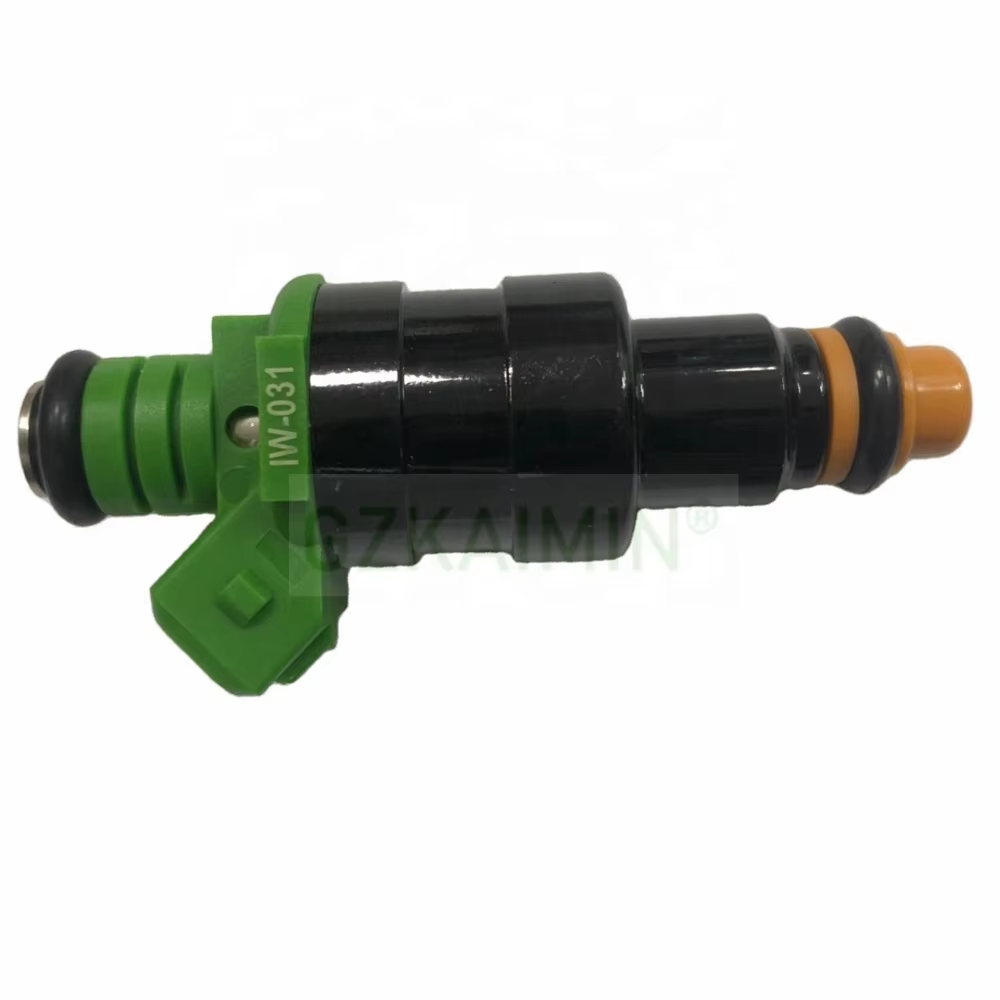
Mayor potencia: ganancias de caballos de fuerza y par con inyectores de combustible de alto rendimiento
Cuantificación de ganancias reales de potencia derivadas de caudales optimizados de inyectores de combustible
Cuando alguien actualiza a inyectores de combustible mejores, básicamente gana más caballos de fuerza porque la entrega de combustible se sincroniza con todo ese flujo de aire adicional que entra. Esto se vuelve especialmente importante si hay inducción forzada también. La mayoría de los motores turboalimentados de 2.0L experimentan un aumento de potencia del 15 al 25 por ciento, lo que equivale a una diferencia de aproximadamente 30 a 50 caballos de fuerza. Los números no son tan dramáticos en motores V8 convencionales sin turbos, pero aún así se perciben una mejora del 8 al 12 por ciento gracias a una mejor respiración del motor. Pero aquí está el detalle: estas ganancias de rendimiento no ocurrirán a menos que los inyectores puedan mantenerse al ritmo del sistema de admisión de aire. Si el combustible no fluye lo suficientemente rápido, la mezcla se vuelve pobre dentro de la cámara de combustión. Eso significa menos potencia en general y mayores posibilidades de detonación o golpeteo en el motor, algo que nadie desea escuchar.
Mejora en el par motor a lo largo del rango de RPM gracias a una entrega precisa de combustible
Los inyectores de alto rendimiento entregan par motor de manera más eficaz mediante un dosificado de combustible preciso al milisegundo, eliminando la latencia e inconsistencia de las unidades originales. Esto produce una curva de par más amplia y plana:
- Respuesta a bajas RPM : respuesta del acelerador un 22 % más rápida en tráfico denso y marcha-detención
- Tracción en rango medio : 18 % más par entre 3.000 y 5.000 RPM para adelantamientos seguros en autopista
- Estabilidad a altas RPM : la entrega constante de combustible evita la pérdida de potencia cerca del corte
La fina atomización garantiza una combustión completa en todas las condiciones, lo que se traduce directamente en una aceleración inmediata y lineal, mejorando tanto la conducción diaria como el rendimiento en pista, al tiempo que reduce la tensión mecánica.
Respuesta mejorada del acelerador y manejo
Reducción de la latencia de inyección y control de combustible transitorio mejorado
Los inyectores de alto rendimiento pueden reducir el retardo de inyección en aproximadamente un 30 por ciento, asegurando que el combustible se entregue exactamente cuando se presiona el acelerador. Esto elimina básicamente ese molesto intervalo entre presionar el pedal del acelerador y sentir la respuesta del motor. Cuando hay cambios repentinos en la carga del motor, estos inyectores mantienen la mezcla aire-combustible perfectamente equilibrada, de modo que el vehículo no vacila ni tropieza porque se vuelva demasiado pobre durante una fracción de segundo. Las pruebas en dinamómetros muestran que los vehículos equipados con estos inyectores alcanzan aproximadamente el 90% de su par máximo en tan solo 0.2 segundos después de que el conductor pisa el acelerador. Este nivel de respuesta marca toda la diferencia al incorporarse a autopistas o al salir de curvas a velocidad. Además, el combustible permanece adecuadamente atomizado incluso durante esos cambios rápidos de carga, lo que ayuda a mantener una combustión estable durante toda la entrega de potencia.
Beneficios medibles en la conducción diaria y en situaciones de conducción deportiva
El impacto de la latencia reducida se extiende a casos de uso del mundo real:
- Trayectos urbanos : El 67 % de los conductores informan una modulación más suave a bajas velocidades y menos incidentes de tirones o caladas
- Aplicaciones de Rendimiento : Las pruebas en pista muestran mejoras de 0,8 segundos en el tiempo por vuelta en circuitos técnicos, gracias a una respuesta predecible del acelerador
- Economía de combustible : El control transitorio optimizado reduce las entradas compensatorias del acelerador, mejorando la eficiencia en ciclo urbano EPA en un 3-5 %
Esta sensibilidad profundiza la conexión entre conductor y vehículo, particularmente con sistemas drive-by-wire, ofreciendo un control intuitivo ya sea al maniobrar en estructuras de estacionamiento ajustadas o al atacar los ápices
Mejora de la eficiencia de combustión y durabilidad del motor
Una atomización más fina del combustible permite una combustión más completa y reduce el riesgo de detonación
Mejores inyectores crean pulverizaciones de combustible mucho más finas, lo que ayuda a que el combustible se evapore más rápido y queme de manera más uniforme. Cuando el aire y el combustible se mezclan adecuadamente en el cilindro, se obtiene más potencia de cada explosión. Además, no hay esos puntos problemáticos donde se acumula demasiado combustible y provoca detonaciones prematuras. Estudios han demostrado que cuando el combustible se descompone en gotas más pequeñas, los motores detonan aproximadamente un 40 % menos. Esto es importante porque las detonaciones dañan con el tiempo componentes del motor como pistones y bielas, especialmente cuando el motor trabaja arduamente bajo cargas pesadas.
Temperaturas más bajas en el cilindro y depósitos de carbono minimizados con el tiempo
Cuando la combustión ocurre de forma adecuada y completa, en realidad reduce esos picos de alta temperatura dentro de los cilindros y disminuye el esfuerzo térmico residual en partes importantes como las válvulas, los aros del pistón y las propias paredes de los cilindros. Este proceso también reduce lo que se conoce como hidrocarburos no quemados, lo que significa que se acumula menos carbonilla con el tiempo en elementos como los inyectores de combustible, las válvulas de admisión y la parte superior de los pistones. El hecho de que los componentes permanezcan más limpios ayuda a mantener niveles adecuados de compresión y evita la formación de puntos calientes peligrosos. Todo esto actúa en conjunto para que los motores puedan seguir funcionando según sus especificaciones originales de fábrica durante períodos mucho más largos entre revisiones de mantenimiento.
Compatibilidad del Inyector de Combustible con Inducción Forzada y Sistemas de Gestión del Motor
Sacar el máximo provecho de las configuraciones de inducción forzada implica contar con inyectores diseñados para manejar mayores densidades de aire y presiones de sobrealimentación. No puede ignorarse el factor de compatibilidad con los sistemas modernos de gestión del motor. Las ECUs de alto rendimiento requieren datos de calibración específicos para cada tipo de inyector con el que trabajan, incluyendo aspectos como mediciones del tiempo muerto, la variación de la velocidad de flujo y esos complicados ajustes de voltaje para resolver problemas de latencia al mapear la entrega de combustible frente a los niveles de presión del colector. Los inyectores estándar diseñados únicamente para condiciones atmosféricas normales suelen quedarse cortos en un 15 a 25 por ciento cuando funcionan bajo sobrealimentación, a menos que cuenten con características adecuadas de compensación de presión. También es importante igualar la impedancia eléctrica entre bobinas de baja y alta resistencia, ya que equivocarse puede dañar los controladores de la ECU o provocar todo tipo de comportamientos extraños en los pulsos durante el funcionamiento. Las ECUs modernas ajustan constantemente el encendido basándose en las entradas de los sensores mediante complejos cálculos matriciales, lo que básicamente significa que necesitamos inyectores que mantengan tiempos muertos consistentes y que conserven sus tasas de flujo estables dentro de una variación de aproximadamente 1 a 2 por ciento en distintas condiciones de operación. Los vehículos equipados con turbocompresores o sobrealimentadores obtienen los mayores beneficios de inyectores capaces de manejar mapas de flujo escalables junto con curvas de latencia sensibles que se ajustan según los cambios de voltaje durante el funcionamiento.
Sección de Preguntas Frecuentes
¿Cuáles son los beneficios de actualizar los inyectores de combustible?
Actualizar los inyectores de combustible conlleva un aumento de la potencia, una entrega de par mejorada en todo el rango de RPM, una respuesta del acelerador más rápida, una mayor facilidad de conducción, una eficiencia de combustión mejorada y una mayor durabilidad del motor.
¿Cómo afectan los inyectores de alto rendimiento a la eficiencia del motor?
Los inyectores de alto rendimiento mejoran la eficiencia del motor al garantizar una dosificación precisa de combustible, lo que permite una combustión completa, reduce el picado, disminuye las temperaturas en los cilindros y minimiza los depósitos de carbonilla.
¿Son compatibles los inyectores de rendimiento con sistemas de sobrealimentación?
Sí, los inyectores de rendimiento están diseñados específicamente para manejar mayores densidades de aire y presiones de sobrealimentación típicas en sistemas de inducción forzada, logrando así un rendimiento óptimo del motor.
¿Cómo afectan los inyectores mejorados a la conducción diaria?
Los inyectores mejorados ofrecen una modulación más suave a bajas velocidades, menos incidencias de calado, una respuesta del acelerador más precisa y un ligero mejoramiento en el consumo de combustible durante la conducción diaria.
Tabla de contenidos
- Mayor potencia: ganancias de caballos de fuerza y par con inyectores de combustible de alto rendimiento
- Respuesta mejorada del acelerador y manejo
- Mejora de la eficiencia de combustión y durabilidad del motor
- Compatibilidad del Inyector de Combustible con Inducción Forzada y Sistemas de Gestión del Motor
- Sección de Preguntas Frecuentes