 EN
EN

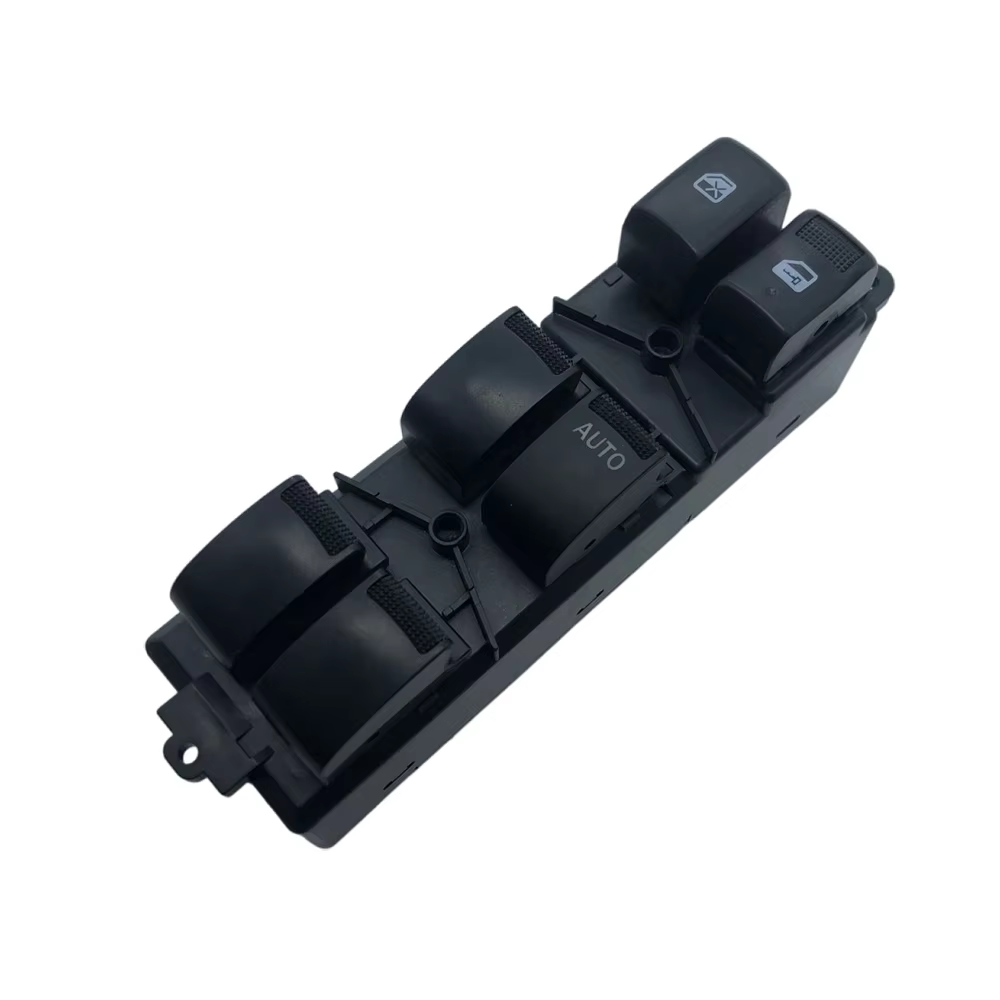
Grundlæggende om elektriske vindueskontakter: Funktion og brugergrænseflade
Knappen til el-ruder styrer, hvordan chauffører i dag faktisk styrer deres bilruder. Når nogen trykker på den eller vipper den frem og tilbage, omdannes denne handling til elektriske kommandoer, der fortæller rudemotoren, hvad den skal gøre. De fleste biler har enten små vippeknapper eller nyere berøringsfølsomme paneler, hvor tryk opad eller nedad bestemmer, hvilken retning glasruden bevæger sig i. Hver rude har typisk sin egen dedikerede knap, så passagerer kan justere ruden selv uden at forstyrre chaufføren. Der er dog normalt et større kontrolpanel på chaufførens side, der giver mulighed for at styre alle fire ruder fra én enkelt position. Sikkerhed er også meget vigtig. Moderne systemer er udstyret med funktioner som automatisk omvendt kørsel, der stopper ruden, hvis noget bliver fanget i den – f.eks. en børns hånd eller et tøjstykke – og dermed forhindre skader, inden de overhovedet opstår.
Driften følger tre koordinerede faser:
- Brugerinput : Fysisk aktivering lukker de interne kontakter
- Signaloverførsel lavspændingskommandoer rejser via kablet til motorstyringsmodulet
- Motoreksekvering ændring af polaritet ved motoren bestemmer bevægelse opad eller nedad
Moderne kontakter er udstyret med bagbelysning, så de kan ses om natten, samt en form for taktil feedback, der informerer brugeren om, at der faktisk sker noget. Funktionen 'enkel tryk-op/ned' virker ved at holde knappen nede i en bestemt tid, inden ruden begynder at bevæge sig helt op eller ned. Grænsefladerne har gennem tiden ændret sig betragteligt – fra de gamle mekaniske kontakter til nutidens berøringsfølsomme paneler. Men uanset hvor avancerede de ser ud, er det grundlæggende, de gør, stadig det samme: De omsætter førerens ønske til faktisk bevægelse af ruden, samtidig med at alt fungerer glat og pålideligt takket være kvalitetskabling inde i bilen.
Indre konstruktion af vindueskontakt: Kontakter, housing og aktivering
Taktil aktivering og mekanisk kontaktlukning
Når nogen trykker på kontakten, får de den tilfredsstillende klikken takket være en intern mekanisme, der normalt består af enten en fjederbelastet knap eller en indbygget hejl. Den egentlige magi sker, når der påføres tilstrækkelig tryk for at passere et bestemt punkt, som producenterne har indstillet. I det øjeblik låses de metaldele inde i kontakten faktisk på plads ved hjælp af den bevægelse, som ingeniører kalder en "over-centrum"-bevægelse, hvilket hjælper med at oprette en ren forbindelse uden gnister. Disse typer kontakter, der er bygget til biler, skal stort set vare evigt. Ifølge branchestandarden SAE J563, som blev opdateret sidste år, skal de klare mindst halv million tryk, før de viser tegn på slitage. De fleste kvalitetskontakter bruger en blanding af sølv og nikkel til deres kontaktflader, da denne kombination bedre modstår rust end almindelige metaller. Hvis der dog opstår problemer med kontakten, bemærker brugere normalt dette først som lejlighedsvis fejl, hvor enheden fungerer nogle gange, men ikke konsekvent. Dette skyldes typisk enten, at fjederne inde i kontakten er sluppet efter alle de mange tryk, eller at der måske er dannet oxidation på metaloverfladerne, hvilket forhindrer god kontakt.
Ledende spor, PCB-layout og OEM-husdesign
Kobberbaner ætsede på glasfiberforstærkede printkort (PCB’er) sikrer elektriske forbindelser i hele systemet. Når det gælder dobbeltsidede printkort, er de med metalliserede gennemhuller særligt fremragende, da de håndterer strømforsyningen bedre og reducerer spændningstab, når belastningen stiger. Huset? Fremstilles typisk af termoplastisk polyamid disse dage. Det er designet ikke kun til at beskytte komponenter, men også til at passe optimalt ind i køretøjssystemer. De IP6K9K-certificerede tætningsløsninger udfører en fremragende opgave ved at holde vand og snavs ude – hvilket er afgørende i automobilomgivelser. Konstruktionsforstærkningsribber hjælper med at absorbere vibrationer fra smækkende døre, og vi inkluderer flammehæmmende stoffer, så alt opfylder FMVSS 302-standarderne. Producenter af original udstyr lægger stor vægt på at gøre enhederne så små, at de kan placeres hvor som helst på dørpaneler, samtidig med at de stadig er behagelige at arbejde med. Og lad os ikke glemme de polariserede stikforbindelser, der forhindrer forkert tilslutning under installationen – hvilket sparer en masse problemer senere.
Reel ydeevne og fejlfinding af vindueskontakt
Elektriske vindueskontakter fungerer i krævende miljøer – udsat for ekstreme temperaturer, fugtighed, kondens og gentagen mekanisk belastning. Disse forhold påvirker direkte pålideligheden og levetiden. At forstå, hvordan faktorer fra den virkelige verden interagerer med kontaktdesignet, hjælper teknikere med at diagnosticere problemer præcist og implementere effektive forebyggende foranstaltninger.
Almindelige fejltilstande og diagnostiske indikatorer
De fleste fejl skyldes én af fire indbyrdes forbundne årsager:
- Kontaktforringelse : Slidte eller forurenete kontakter forårsager intermittenter respons. Bekræft ved at teste kontaktopførelsen ved flere aktiveringer – især ved let vs. fast tryk.
- Miljøskader : Fugtindtrængning fører til korrosion på terminaler (synlig som grønlige aflejringer) eller carbontracking på printpladen (PCB), hvilket resulterer i manglende respons eller uregelmæssig funktion.
- Problemer med ledningsharness flexionssvækkelse nær dørhængsel bryder ofte ledninger eller løsner forbindelser, hvilket fører til fuldstændig funktionsudfald. En kontinuitetskontrol med et multimeter ved kontakten til kontakten er det første diagnostiske trin.
- Slid på aktuator-mekanismen stiv, klæbrig eller lydløs funktion tyder på slidte plastkomponenter eller fjedersvækkelse – bedst vurderet ved direkte taktil evaluering.
Effektiv diagnose starter med spændingskontrol ved kontakternes terminaler og visuel inspektion af printpladen (PCB) for dislokation eller sporing. Korrelation mellem symptomer – såsom langsom bevægelse (motorbelastning), fejl i kun én retning (polaritetskredsløbsfejl) eller fuldstændig manglende respons (åbent kredsløb) – gør det muligt at målrettet isolere årsagen uden unødigt udskiftning af komponenter.
Ofte stillede spørgsmål
Hvad er en elruderuderskifter?
En elruderuderskifter er en styreenhed, der gør det muligt at betjene bilens rude elektronisk, enten via vippekontakter eller touchpaneler.
Hvordan fungerer automatisk omvendt-funktionen?
Funktionen til automatisk omvendt kørsel forhindrer kvæstelser ved at standse og vende vinduet, hvis der registreres et objekt – f.eks. en borns hånd – i dets bevægelsesbane.
Hvilke materialer bruges der i den indre konstruktion af vindueskontakter?
Højtkvalitets vindueskontakter bruger ofte sølvnikkel til kontaktpunkterne på grund af dets rustbeskyttende egenskaber, og kabinettet er typisk fremstillet af termoplastisk polyamid.
Hvad er almindelige fejlmåder for elektriske vindueskontakter?
Almindelige fejl omfatter nedbrydning af kontakter, skade forårsaget af miljøpåvirkninger, problemer med ledningsharnesset og slitage af aktuatormekanismen.