 EN
EN

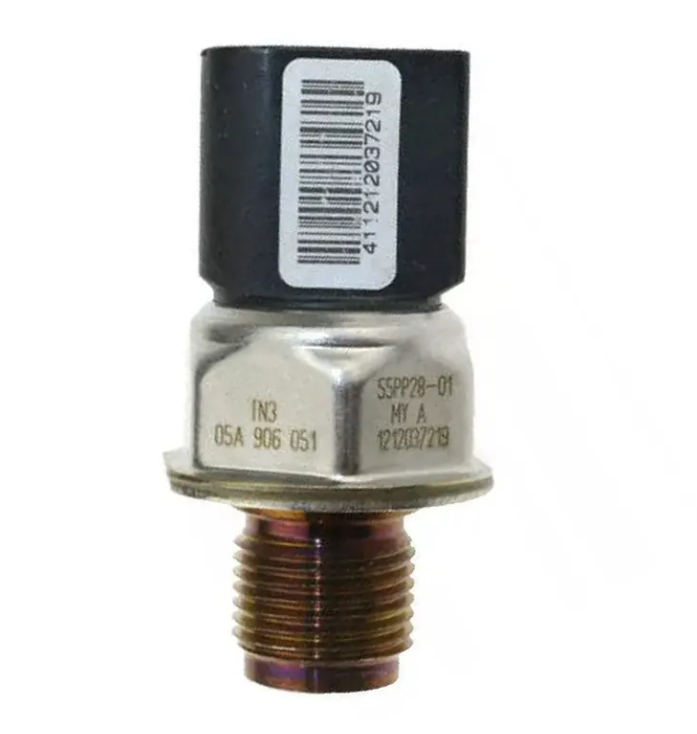
Fuel Pressure Sensor Fundamentals: Role, Location, and Real-Time ECU Integration
Core operating principle: converting mechanical fuel pressure into precise voltage signals for the ECM/PCM
Fuel pressure sensors work basically as precision devices that usually incorporate either strain gauges or piezoresistive elements to turn physical fuel pressure into an electrical signal that varies in strength (often between 0.5 volts and 4.5 volts). These days in systems with higher pressures, these sensors can pick up changes over quite a broad spectrum. For example, they monitor around 50 to over 3,000 pounds per square inch in gasoline engines with direct injection, and sometimes even detect pressures reaching 30,000 psi or more in those diesel engines with common rail technology. The information from these sensors goes straight to the car's computer system, either called ECM or PCM depending on manufacturer, which then makes incredibly fast adjustments to how much fuel gets delivered. If the sensor isn't working right, the engine computer starts making wrong assumptions about the air fuel mixture, leading to less efficient burning long before any actual misfires happen or emission problems show up on diagnostic tests.
Strategic placement in fuel rail vs. supply line—and why location determines feedback fidelity for fuel economy control
Where sensors get mounted isn't just about making installation easier—it's actually part of the calibration process itself. When placed right on the fuel rail next to those injectors, these sensors pick up all sorts of detailed pressure changes across each engine cycle, including those quick dips that happen during multiple injection pulses. Being so close lets them spot tiny variations around 2% either way, which means the ECU can kick in those closed loop adjustments faster than 100 milliseconds most of the time. Put a sensor somewhere else along the supply line though, and it only sees average pressure readings. That setup slows down the ECU response time by anywhere from 300 to 500 milliseconds and misses problems specific to individual injectors. The delay really hurts fuel efficiency because when compensation comes too late, engines end up running richer than necessary. Studies from SAE International back this up showing fuel waste between 3 and 7 percent when sensors aren't positioned correctly.
The Fuel Economy Feedback Loop: How Accurate Pressure Data Optimizes Combustion
Closed-loop adaptation: ECU adjustments to injection duration, timing, and rail pressure setpoints based on sensor input
Fuel pressure data serves as one of the key inputs for the engine control unit's closed loop combustion management system. The ECU constantly checks how the actual rail pressure stacks up against its calculated targets, which change based on factors like engine load, revolutions per minute, coolant temps, and even the specific characteristics of the fuel being used. From this comparison, the system makes adjustments to when and how long fuel gets injected, plus controls the output from the high pressure pump. This feedback mechanism helps create better fuel spray patterns and keeps ignition timing just right, so the engine runs either at the ideal air-fuel ratio or within specified lean burn parameters. Accurate pressure readings matter because they let the ECU skip adding extra fuel as a safety buffer, which saves gas money and still keeps emissions within legal limits across different driving conditions.
Consequences of deviation: how ±5% pressure error cascades into 3–7% fuel economy loss via incomplete combustion and enrichment compensation
When there's about a 5% error in pressure readings, it starts a chain reaction that hurts efficiency. The engine control unit sees these lower numbers as meaning not enough pressure in the fuel rails. So what happens? It makes adjustments by lengthening how long injectors stay open and cranking up the fuel pump output. Basically, this ends up putting too much fuel into the engine. What follows is incomplete burning of fuel, carbon deposits forming inside, and those annoying engine misfires. To play it safe, the system keeps adding even more fuel. Fuel economy drops somewhere between 3 to 7 percent as a result. Gasoline direct injection engines and common rail diesel systems get hit hardest because they work within very tight parameters and depend heavily on getting the fuel spray just right for proper operation.
System-Specific Sensitivity: Why Fuel Pressure Sensor Accuracy Matters Most in GDI and Common-Rail Diesel
High-pressure dependency in gasoline direct injection: narrow optimal pressure bands and steep efficiency curves
Gasoline direct injection engines work best when they maintain specific pressure ranges between about 500 and 3,000 pounds per square inch. Even small changes in sensor readings can mess with how fuel sprays into the combustion chamber, affecting droplet size and when the fuel actually starts to burn. When sensors are off by just plus or minus 5 percent, the engine runs less efficiently because it moves away from where it performs at its best. This leads to worse fuel atomization and more unburned hydrocarbons in the exhaust. According to research published by SAE International last year, these kinds of inaccuracies result in fuel consumption that's 3 to 7 percent worse than optimal, all while the car's computer doesn't throw any warning lights. Calibration drift becomes this kind of hidden problem that slowly eats away at efficiency over time.
Common-rail diesel precision demands: pressure stability’s role in reducing soot, NOx, and fuel consumption simultaneously
For common rail diesel engines to work properly, they need pressure stability below 1% even when pressures go beyond 30,000 PSI. This lets the engine do several carefully timed fuel injections during each cycle. When sensors give accurate information back to the ECU, it can manage those pilot shots, main injections, and post injections that help cut down on soot and nitrogen oxides while keeping fuel usage low. If the readings aren't right though, everything falls apart. Misfired injections actually boost particulate matter levels somewhere between 15 to maybe 30 percent, crank up NOx emissions around 8 to 12 percent, and eat through extra fuel at about 3 to 5 percent higher rates. What's really bad is how wrong pressure data messes with emission control systems downstream. It makes exhaust gas recirculation systems less effective and puts too much strain on selective catalytic reduction catalysts. This not only causes problems meeting regulations but also shortens how long these systems will last before needing replacement according to DieselTech Magazine from March 2024.
Diagnosing Fuel Economy Loss: Recognizing Fuel Pressure Sensor Degradation Before Failure
Fuel pressure sensors don't usually just stop working completely. Instead, they tend to slowly break down over time, and many people first notice this when their car suddenly starts getting worse gas mileage, maybe around 10 to 15 percent less than normal. What happens next is pretty straightforward from a technical standpoint. The sensor reports lower pressure than what's actually present, so the engine control unit thinks it needs to put more fuel into the mix. This leads to longer injection periods and the fuel pump working harder than necessary. The result? A bunch of problems that can be confusing to diagnose. Cold starts become really tough, there's black smoke coming out of the tailpipe when accelerating, and the car hesitates when pressing the accelerator pedal. These symptoms look an awful lot like what happens when filters get clogged or injectors get dirty. Since so many different issues can cause similar symptoms, proper diagnosis matters a lot. Mechanics need to check real time data by comparing what the sensor says with readings from a good old fashioned mechanical gauge. They should also look for specific error codes like P0190 through P0193. Taking the time to confirm if the sensor is drifting before replacing it saves money in the long run, keeps technicians from swapping parts unnecessarily, and stops those efficiency losses from stacking up one after another.
FAQs: Understanding Fuel Pressure Sensor Operations
What is the main function of a fuel pressure sensor?
The main function of a fuel pressure sensor is to monitor and convert mechanical fuel pressure into an electrical signal sent to the car's engine control unit (ECU) to optimize fuel delivery and combustion efficiency.
Why is the placement of the fuel pressure sensor important?
Proper placement on the fuel rail allows the sensor to detect rapid pressure changes, enabling the ECU to make swift and precise adjustments to improve fuel economy. Incorrect placement can lead to delays in ECU response and reduced fuel efficiency.
How do fuel pressure sensors impact gasoline direct injection (GDI) engines?
Accurate fuel pressure sensor readings are critical for GDI engines since they operate within narrow optimal pressure ranges. Inaccurate readings can lead to inefficient combustion, increased unburned hydrocarbons, and reduced fuel economy.
What are common signs of a failing fuel pressure sensor?
A failing fuel pressure sensor often leads to reduced gas mileage, difficulty with cold starts, black smoke during acceleration, and engine hesitation. It is crucial to accurately diagnose these symptoms to determine sensor degradation.
Table of Contents
- Fuel Pressure Sensor Fundamentals: Role, Location, and Real-Time ECU Integration
- The Fuel Economy Feedback Loop: How Accurate Pressure Data Optimizes Combustion
- System-Specific Sensitivity: Why Fuel Pressure Sensor Accuracy Matters Most in GDI and Common-Rail Diesel
- Diagnosing Fuel Economy Loss: Recognizing Fuel Pressure Sensor Degradation Before Failure
- FAQs: Understanding Fuel Pressure Sensor Operations