 EN
EN

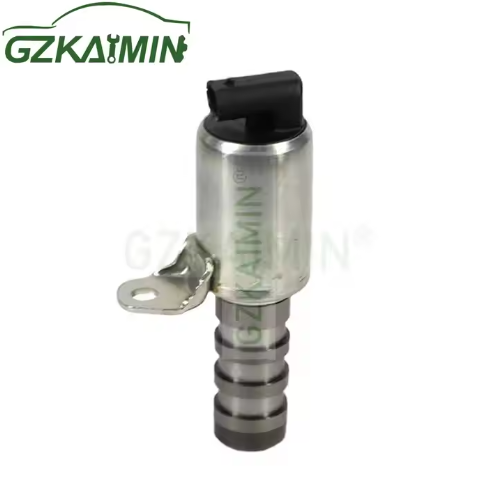
How the VVT Valve Enhances Engine Performance
Role of the VVT Valve in Optimizing Camshaft Timing for Efficiency
VVT stands for Variable Valve Timing, and what this system does is adjust the camshaft position depending on how fast the engine is running and what kind of load it's under. The whole point is to get better control over when air comes in and goes out of the engine. The system works by controlling oil flow to those little actuators on the camshaft via a solenoid, making sure the valves open and shut exactly when they need to. These adjustments happen right as things are happening, which can boost how efficiently fuel burns inside the engine cylinders by around 12 percent compared to older models with fixed timing. When someone hits the gas pedal hard, the VVT system moves the intake timing forward so more air gets pulled in during acceleration phases. But when the car is just sitting there idling, the timing gets pushed back a bit to keep things stable and prevent rough running.
Impact of Precise Valve Timing on Fuel Economy and Power Delivery
VVT systems today can improve fuel economy somewhere around 5 to 7 percent, and they typically bump up torque by about 8 or 10 percent throughout different engine speeds. When manufacturers fine tune when valves open and close, this cuts down on those pesky unburned hydrocarbons by roughly 18 percent and slashes NOx emissions by nearly a quarter. These improvements are actually what lets engines pass those tough Euro 6 and BS-VI regulations. Another big plus is that car makers can now put smaller turbocharged engines under the hood that still deliver the same punch as bigger ones. This means better power to weight ratios too, with gains around 15 percent overall, all while keeping things reliable enough for everyday driving conditions.
Symptoms of a Failing VVT Valve or Solenoid
Rough Idle, Stalling, and Poor Accelerator Response Due to VVT Failure
A malfunctioning VVT valve often causes irregular engine behavior, including rough idling, unexpected stalling, or delayed throttle response. These issues arise when oil flow to the VVT system is disrupted, preventing accurate adjustments to valve timing.
Engine Knocking, Ticking Noises, and Increased Fuel Consumption
Knocking or ticking noises typically indicate advanced wear in the VVT valve. Delayed valve timing forces the engine to operate inefficiently, increasing fuel consumption by up to 15% in severe cases. This inefficiency also places added stress on timing chains and lifters, accelerating component wear.
Check Engine Light and Common VVT-Related Diagnostic Trouble Codes (DTCs)
Persistent VVT issues trigger the check engine light and specific DTCs such as P0010 (actuator circuit faults) or P0011 (over-advanced timing), signaling electrical or mechanical failures in the valve or solenoid. Contaminated oil accounts for 62% of VVT-related failures, so technicians often assess oil condition before replacing components.
Diagnosing VVT System Faults: Tools and Techniques
Using an OBD2 Scanner to Identify DTCs Like P0010, P0011, P0340, and P0299
When trying to figure out what's wrong with variable valve timing systems, mechanics usually start by plugging in an OBD2 scanner to get those ECM codes from the car's computer. Some pretty common trouble codes that pop up relate to VVT problems. We're talking about codes like P0010 which points to issues with the camshaft position actuator circuit, then there's P0011 indicating over advanced timing, and finally P0340 for problems with the camshaft sensor circuits. According to research done last year looking at around 1,200 actual repair situations, these particular codes tend to point towards faulty VVT valves or solenoids about two thirds of the time when drivers also report noticeable performance issues with their vehicles.
Electrical Testing, Visual Inspection, and Oil Pressure Checks for Accurate Diagnosis
Once they get the diagnostic codes, techs usually run some basic tests first. They check the electrical resistance of those solenoids, which should be somewhere between about 6 and 14 ohms typically. Then there's the oil pressure measurement to do too, needs to hit at least 25 psi when idling so the phasers work right. Don't forget to look around for any sludge forming up inside or damaged wires either. According to some recent data from last year, roughly one third of all Variable Valve Timing issues get diagnosed wrong simply because mechanics overlooked poor oil condition. That's why it makes sense to double check whether the oil meets manufacturer specs before swapping out parts unnecessarily.
Root Causes of VVT Valve and Solenoid Failure
Oil Contamination and Low Oil Pressure Disrupting VVT Valve Operation
Engine oil contamination stands as the primary culprit behind most VVT system failures we see in shop settings. When oil breaks down over time or filters aren't maintained properly, sludge builds up and clogs those tiny passageways inside the valve body. These channels are only about half a millimeter to just over a millimeter wide, so even small amounts of debris can cut hydraulic pressure significantly - sometimes as much as forty percent according to our measurements. What happens next? The system simply can't move the camshafts precisely when needed. Drivers typically notice this as sluggish acceleration or erratic idling behavior. And things get worse when oil pressure drops below acceptable levels. Worn out pumps, oil leaks, or using the wrong weight oil all contribute to this problem. Mechanics often find themselves chasing these issues because low pressure affects how well the actuators respond during sudden speed changes.
Electrical Faults and Wear from Overheating Leading to Solenoid Failure
Around 30 to 40 percent of all solenoid problems come down to electrical issues. When voltage falls below 9 volts at the connection point, the solenoid just won't work right. The heat is another big problem too. Engines can get really hot sometimes, over 250 degrees Fahrenheit or about 121 Celsius, and this heat wears down those delicate coil windings and melts the plastic parts. Throw in some vibrations from normal engine operation and wires start breaking. All these factors together cause the solenoid to work only part of the time. Technicians often see diagnostic trouble codes such as P0011 when this happens because the signals take longer than usual to respond properly.
Repair and Maintenance: Cleaning, Replacing, and Preventing VVT Issues
Testing and Cleaning Clogged VVT Solenoids to Restore Oil Flow
Most of the time, problems with VVT solenoids come from sludge buildup or dirt getting stuck inside those tiny screens. When techs see codes pointing to VVT issues on their OBD2 scanners, they usually take apart the solenoid and give it a good cleaning. Carburetor cleaner works well for this job. Letting it soak for around 15 to 20 minutes helps loosen stubborn deposits, then blowing through with compressed air gets rid of what's left. Foxwell's maintenance manual mentions something interesting here too - their data shows this cleaning approach fixes about two thirds of these partial blockage situations without needing new parts. Once everything looks clean, running an oil pressure check makes sense to ensure things are flowing properly again through the system.
Step-by-Step VVT Solenoid Replacement Guide for DIY Repairs
When replacing a solenoid that's beyond repair, gather these basics first: a 10 mm socket, torque wrench, and a fresh gasket. Begin work by disconnecting the car battery for safety, then pop off the engine cover so we can get at everything properly. Next step is unplugging that electrical connector from the old solenoid. Carefully take out the mounting bolt too, being extra cautious not to let any bits fall down into those oil passages where they could cause real problems later on. Fit the new solenoid using whatever torque specs came from the factory usually around 7 to maybe 12 foot pounds depending on make and model to keep threads intact during installation. After putting everything back together, don't forget to clear out those stored diagnostic trouble codes. Finally give it a good test drive to see if issues such as rough idling or slow acceleration have actually gone away now.
Preventive Measures: Oil Quality, Filter Changes, and Inspection Intervals
Switching to full synthetic oil that meets API SP/SN Plus specs cuts down on varnish buildup by around 40% when compared with regular motor oil. That's a big deal for keeping engines clean inside. Mechanics recommend changing those oil filters roughly every 5k to 7.5k miles, while taking a quick peek at those VVT solenoids for any signs of sludge during routine changes. And don't forget about checking things out thoroughly around the 30k mile mark too. Early detection of issues like worn actuators or problems with timing chain guides can save thousands in repair bills later on. Most folks underestimate how much difference proper maintenance makes over time.
FAQs
What is a VVT valve and how does it work?
The VVT valve, or Variable Valve Timing valve, optimizes engine performance by adjusting camshaft positions based on engine speed and load, thus improving airflow and fuel efficiency.
What are common symptoms of a failing VVT valve?
Common symptoms include rough idling, increased fuel consumption, engine knocking, and activation of the check engine light.
How can I diagnose issues with my VVT system?
Use an OBD2 scanner to identify diagnostic codes. Perform electrical resistance tests, visual inspections for sludge, and oil pressure checks.
What causes VVT valves and solenoids to fail?
Failures often result from oil contamination, low oil pressure, electrical faults, or overheating leading to component degradation.
How do I prevent VVT system issues?
Ensure regular oil changes, use high-quality synthetic oil, maintain appropriate oil filter changes, and regularly inspect for wear and sludge buildup.