 EN
EN

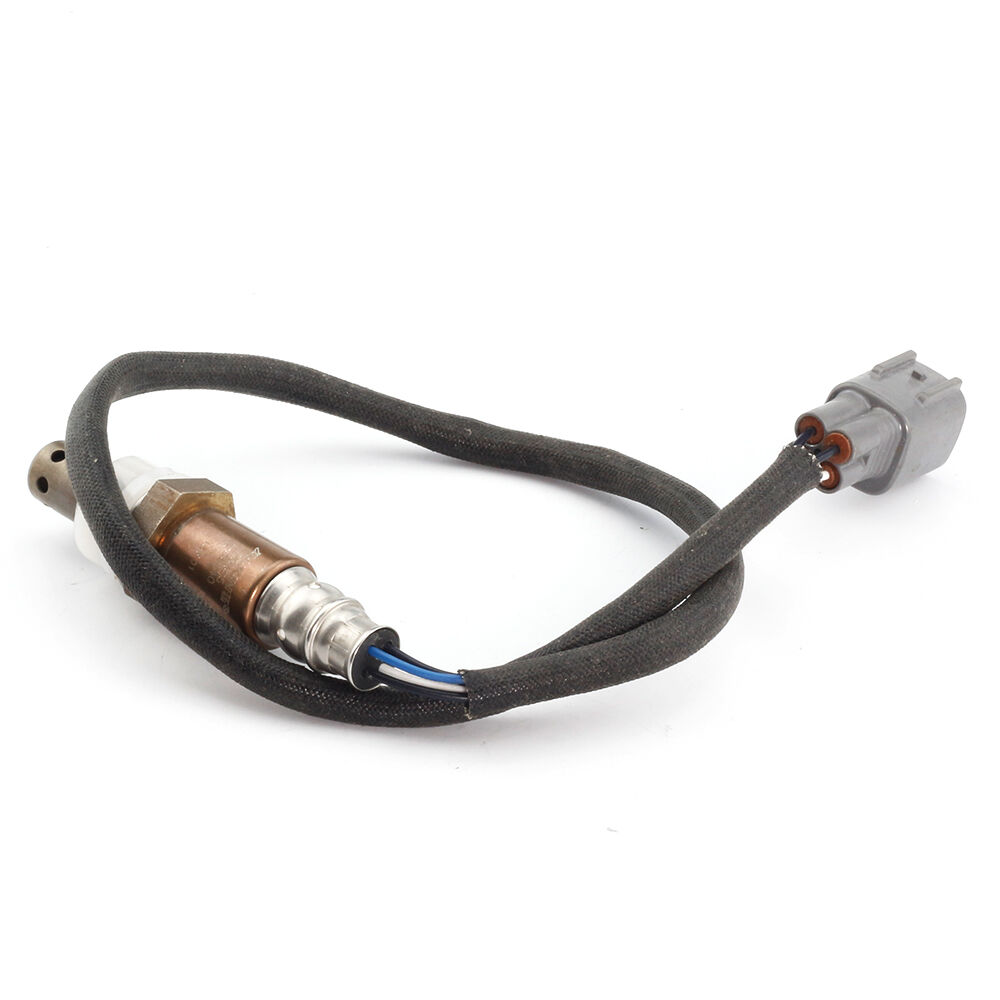
How Auto Sensors Work: From Physical Input to Intelligent Vehicle Response
Converting real-world data—temperature, pressure, motion—into digital signals
Car sensors work kind of like the nervous system inside vehicles, constantly picking up on all sorts of physical changes happening under the hood. They spot things like how hot the engine gets, shifts in hydraulic pressure, and even how fast each wheel is spinning thanks to those special sensing parts built into them. Coolant sensors have thermistors that change their electrical resistance based on temperature readings. Meanwhile, knock sensors contain piezoelectric crystals which create voltage whenever there's vibration from the engine running rough. All these signals start off as analog information. Before getting sent to the computer brain of the car, they go through some filtering and shaping processes to clean up the data and make sure it's properly scaled. After this conditioning, the signals hit analog-to-digital converters where they turn into binary code that the ECU can actually understand. What happens next matters a lot too. When oxygen sensors notice something wrong with exhaust gases, the system can tweak fuel injection within fractions of a second. These quick reactions are why cars today feel so smart compared to older models from just a few decades back.
The shift from analog gauges to integrated auto sensors enabling predictive maintenance and adaptive control
The auto sensors we see today mark a major change compared to old fashioned mechanical gauges that worked all on their own. Back when drivers relied on simple analog temperature dials for information, those were just passive indicators giving basic readings. Now coolant sensors send digital information straight to the engine control unit (ECU). The ECU then checks this against signals coming from other parts of the car including knock sensors, crankshaft position sensors, and mass airflow meters. All these different sensor signals working together create what mechanics call sensor fusion. And this fusion does something pretty amazing for vehicle performance and safety across the board.
- Predictive diagnostics: Vibration patterns from wheel-speed sensors flag bearing wear up to 15% earlier than traditional inspection methods
- Adaptive performance: Throttle position and mass airflow sensors jointly recalibrate air-fuel ratios during altitude or load changes
- Self-optimization: Transmission fluid pressure and temperature sensors collaboratively adjust shift logic and viscosity compensation in extreme cold
By transforming raw physical data into contextual intelligence, these systems reduce powertrain-related failures by 22% and enable active safety features like traction control—which modulates brake pressure mid-skid without driver input.
Auto Sensors as the Foundation of Vehicle Safety Systems
Modern vehicles rely on auto sensors as critical safety enablers, converting real-time environmental and dynamic data into life-preserving actions. These components monitor vehicle motion, occupant positioning, and surroundings to actively prevent accidents and mitigate injury severity.
Critical safety functions powered by auto sensors: airbag deployment, ABS, and blind spot detection
When a car crashes, impact sensors kick in and deploy airbags just 20 to 30 milliseconds later. At the same time, wheel speed sensors constantly send information to the ABS system so wheels don't lock up when someone slams on the brakes in an emergency. For blind spots, cars now use either ultrasonic waves or radar technology to spot vehicles that drivers can't see next to them. The Insurance Institute for Highway Safety found this actually cuts down lane change accidents by around 14%. All together, these smart sensor systems save lives too. They're estimated to prevent more than 20 thousand deaths each year simply because they make up for mistakes humans inevitably make behind the wheel. After all, the National Highway Traffic Safety Administration reports that people cause about 94% of all accidents.
Sensor fusion in ADAS: how radar, camera, and ultrasonic auto sensors collaborate for collision avoidance
The Advanced Driver Assistance Systems we see today really showcase how different sensors work together. These systems combine information from radar, cameras, and ultrasonic sensors to create what amounts to multiple layers of awareness about what's happening around the vehicle. Radar does particularly well at figuring out how far away something is and how fast it's moving, even when conditions get bad like during heavy rain or foggy nights. Cameras help understand what they're actually seeing on the road, things like where the lanes are, reading traffic signs, and spotting pedestrians before they step into traffic. Then there are those ultrasonic sensors that give super detailed readings for stuff close by, which makes all the difference when parking or moving slowly through tight spaces. Put all this together and the car becomes much better at avoiding accidents. If the system detects a potential crash through at least two different sensor types, it will automatically hit the brakes with just the right amount of pressure needed. The whole point of having this layered approach is so the car stays safe even when one part isn't working perfectly anymore. Safety isn't left to chance here.
Auto Sensors Driving Engine Efficiency, Emissions Control, and Reliability
Key powertrain auto sensors—O2, MAF, coolant temperature, and knock—and their role in optimizing combustion
Today's car engines rely heavily on a network of sensors working together to hit those tough efficiency targets and emission limits while still lasting through years of driving. Take the oxygen sensor for instance—it keeps checking what's coming out of the exhaust pipe so the computer can adjust fuel mix just right. This makes sure the catalytic converter works at peak performance and cuts down harmful stuff like hydrocarbons and nitrogen oxides by around 90% when compared to older systems that didn't have this feedback loop. Then there are mass airflow sensors measuring how much air enters the engine with pretty good accuracy (+/- 2%), which helps ensure proper combustion happens every time the spark plugs fire. When things get hot inside the engine block, coolant temperature sensors kick in to turn on fans or adjust timing settings before things start getting too warm. And let's not forget about knock sensors either—they listen for abnormal sounds indicating premature burning and make tiny adjustments to spark timing within millionths of a second to protect the engine from damage during hard acceleration. All these components work hand in hand as part of what mechanics call a closed-loop system, constantly tweaking how fuel burns depending on whatever condition the vehicle finds itself in.
Challenges and Future Trends in Auto Sensor Technology
Auto sensor tech keeps running into roadblocks as it evolves. First off, integrating all these different electronic control units is a nightmare for manufacturers. Then there's the whole problem with environmental factors messing up performance, especially when condensation causes radar signals to weaken. And let's not forget about cybersecurity risks getting worse every day in cars that connect to the internet and receive updates wirelessly. Another big issue comes from proprietary communication systems that make it hard for parts to work together smoothly, which creates headaches for mechanics trying to diagnose problems or install upgrades later on. Money matters too. High quality sensors such as solid state radar or time of flight lidar just aren't making their way into budget cars fast enough, even though regulations keep pushing harder for features like automatic emergency brakes and lane keeping systems.
Looking ahead, three trends are accelerating:
- Miniaturization and embedded placement, enabling seamless integration into structural components without compromising aesthetics or aerodynamics
- AI-enhanced analytics, where on-board machine learning models interpret sensor streams for early fault prediction—reducing unscheduled downtime by up to 35% in fleet applications
- Hardened sensor fusion architectures, combining radar, lidar, and high-dynamic-range cameras with V2X (Vehicle-to-Everything) gateways to share hazard alerts with infrastructure and nearby vehicles
Market forecasts suggest the global automotive sensor industry could hit around $323 billion by 2030. This growth is mostly because electric cars and self-driving vehicles need way more sensors packed into smaller spaces while still working reliably. New tech breakthroughs are helping solve some old problems too. Self calibrating MEMS designs and ultrasonic arrays that process data at the source are making big differences. These advancements tackle issues with inconsistent readings, slow response times, and how well sensors hold up against harsh weather conditions. As a result, we're starting to see vehicles that can actually predict what might happen next on the road instead of just reacting after the fact.
FAQ
What are auto sensors and how do they function in vehicles?
Auto sensors are components within vehicles that detect and measure physical changes such as temperature, pressure, and motion. They convert these real-world data points into digital signals that are processed by the vehicle's computer systems to facilitate intelligent responses such as adjusting fuel injection or deploying airbags.
How do auto sensors contribute to vehicle safety?
Auto sensors play a critical role in safety systems by monitoring vehicle conditions and surroundings to prevent accidents. For example, impact sensors can deploy airbags quickly after a crash, while wheel speed sensors contribute to ABS mechanisms that prevent wheel lock during sudden braking.
What challenges are faced by the auto sensor industry?
Challenges include the integration of various electronic control units, environmental factors affecting sensor performance, cybersecurity risks, proprietary communication systems, and the slow adoption of advanced sensors due to cost constraints.