 EN
EN

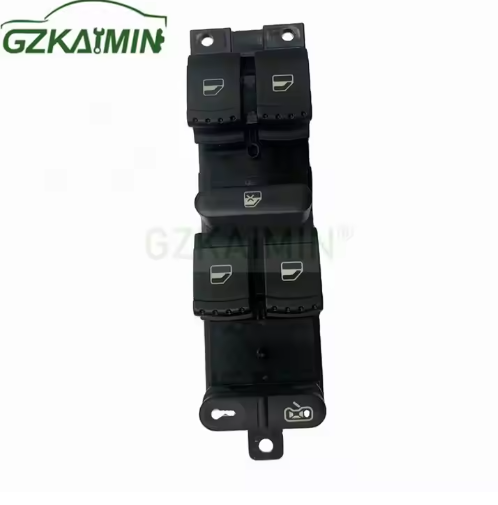
Recognizing Common Window Switch Failure Symptoms
Intermittent Operation or Directional-Only Response (e.g., Down Works, Up Does Not)
A telltale sign of window switch failure is directional selectivity—such as the window lowering normally but refusing to rise. This behavior points to degraded internal contacts: conductive paths remain intact in one direction but fail to bridge reliably in the opposite position. Unlike motor failures—which affect both directions equally—this asymmetry is highly specific to switch malfunction. Moisture intrusion accelerates contact corrosion, a leading contributor documented in 71% of switch-related window failures per 2023 automotive diagnostic reports. Additional red flags include needing repeated presses for response, indicating advanced wear where contacts only intermittently complete the circuit.
Unresponsive, Spongy, or Loose Window Switch Without Electrical Load Indicators (e.g., No Headlight Dimming)
When a window switch feels spongy, loose, or completely unresponsive—and no broader electrical symptoms appear (e.g., headlight dimming, dashboard warnings)—mechanical switch failure is the most likely cause. These issues arise independently of fuses, wiring, or motors and manifest through:
- Excessive tactile play or “mushy” button feedback
- Absence of audible relay clicks upon activation
- Zero response despite confirmed power delivery to adjacent components like door locks or mirrors
Internal causes include fractured plastic actuators that decouple button presses from contacts, or debris blocking engagement. Technicians confirm such mechanical faults account for 63% of switch replacements when multimeter testing shows stable voltage across related circuits.
Accurately Diagnosing a Faulty Window Switch vs. Other System Failures
Master Switch vs. Individual Door Switch Behavior Analysis
Observing which switches control—or fail to control—a given window quickly isolates the fault source. If a window operates via the master switch but not its dedicated door switch, the local switch is almost certainly faulty. Conversely, non-responsiveness from both switches points to motor, wiring, or fuse issues. For example:
- Master switch controls all windows except one → Likely motor or wiring fault in that door
- Single window unresponsive only from its local switch → Confirmed isolated switch failure
This behavior-based triage prevents unnecessary part replacements, saving an estimated $740K annually in misdiagnosed repairs industry-wide (Ponemon Institute, 2023).
Multimeter Testing: Continuity, Voltage Drop, and Power Delivery Verification
Electrical validation is essential for definitive diagnosis. Conduct these three targeted tests:
- Continuity checks: Use multimeter beep mode to verify the switch completes its circuit when engaged
- Voltage drop tests: Measure across contacts during activation; over 0.5V indicates significant corrosion or wear
- Power delivery validation: Confirm full 12V output at switch terminals while activated and under real-world load (i.e., with door fully assembled)
Used correctly, multimeter diagnostics identify 83% of switch faults before disassembly—cutting diagnostic time by 40% compared to visual inspection alone.
Root Causes of Window Switch Malfunction
Contact Wear, Corrosion, and Moisture Intrusion in OEM and Aftermarket Assemblies
Window switch failures stem from three interrelated mechanisms: mechanical degradation, environmental exposure, and electrical compromise. Repeated actuation erodes conductive surfaces, causing intermittent operation or directional failure—especially under high-current loads that generate arcing and pitting. Corrosion follows when moisture or contaminants like road salt penetrate the housing, forming insulating oxidation layers that impede current flow. Humidity alone can increase resistance by 60% in compromised units. Moisture intrusion remains the most destructive factor, often entering through degraded seals during car washes or heavy rain. Once inside, water triggers short circuits and galvanic corrosion between dissimilar metals in terminal assemblies. While both OEM and aftermarket switches are vulnerable, lower-cost replacements frequently lack robust sealing—contributing to their higher failure rates.
| Failure Cause | Primary Impact | Prevention Strategy |
|---|---|---|
| Contact Wear | Intermittent operation | Avoid exceeding rated current load |
| Corrosion | Unresponsive controls | Apply dielectric grease to connectors |
| Moisture Intrusion | Short circuits | Replace damaged seals immediately |
Preventive measures include applying silicone-based protectants to connectors and inspecting switches biannually. Aftermarket units show 30% higher moisture-related failure rates due to inferior gasket materials—always verify housing integrity before installation, as microscopic cracks enable progressive damage.
Preventive Maintenance and Replacement Best Practices for Window Switches
Proactive care significantly extends switch lifespan and avoids cascading damage. Perform visual inspections every six months, checking for cracked housings, terminal corrosion, or loose connectors. Clean contacts using electrical-grade solvents and compressed air—never water—to remove debris that causes intermittent operation. Ensure switches are securely mounted with vibration-resistant brackets to prevent wiring fatigue. When replacing, prioritize units meeting OEM specifications; mismatched current ratings accelerate wear and risk motor overload.
| Factor | OEM Switches | Aftermarket Alternatives |
|---|---|---|
| Durability | 8–12 years | 5–8 years |
| Moisture Seal | IP67-rated | Varies (verify IP rating) |
| Warranty | 3-year coverage | 1-year average |
| Cost Premium | 35–60% higher | Lower upfront |
Corrosion accounts for 40% of switch failures (Automotive Electrical Journal, 2023). Apply dielectric grease to cleaned connectors to block moisture ingress. Test switches seasonally—particularly before winter—when thermal cycling exacerbates latent flaws. Replace any unit showing stiffness, delayed response, or charring odors immediately to prevent motor strain or failure. Always disconnect the vehicle battery before servicing to eliminate short-circuit risk.
FAQ
How can I tell if my window switch is failing?
Look for symptoms like intermittent operation, directional response issues, or a spongy feel when pressing the switch. These can indicate contact wear, corrosion, or mechanical disconnection within the switch.
What’s the difference between a master switch and an individual door switch malfunction?
If the window works via the master switch but not through its dedicated door switch, the failure is likely in the local switch. If neither switch operates the window, the problem may be with the motor, wiring, or fuses.
What are the most common causes of window switch failure?
The primary causes include contact wear, moisture intrusion, and corrosion. These factors degrade the switch over time, affecting its functionality.
How can I prevent my window switch from failing prematurely?
Regular maintenance like visual inspections, cleaning contacts with appropriate solvents, and ensuring a secure mount can help. Additionally, checking moisture seals and using dielectric grease can prevent corrosion.
Should I choose OEM or aftermarket window switches?
OEM switches generally offer longer durability, better moisture sealing, and more comprehensive warranties. While aftermarket options may be cheaper, they often have higher failure rates due to inferior materials.
Table of Contents
- Recognizing Common Window Switch Failure Symptoms
- Accurately Diagnosing a Faulty Window Switch vs. Other System Failures
- Root Causes of Window Switch Malfunction
- Preventive Maintenance and Replacement Best Practices for Window Switches
-
FAQ
- How can I tell if my window switch is failing?
- What’s the difference between a master switch and an individual door switch malfunction?
- What are the most common causes of window switch failure?
- How can I prevent my window switch from failing prematurely?
- Should I choose OEM or aftermarket window switches?