 EN
EN

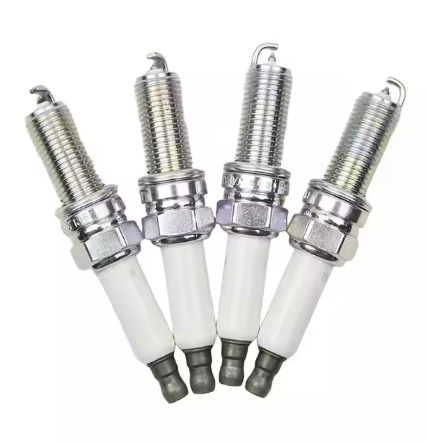
Boosted Engine Performance: Power, Torque, and Throttle Response
How Ignition Efficiency Drives Combustion Completeness and Cylinder Pressure Rise
High-performance spark plugs optimize ignition efficiency by delivering consistent, high-energy sparks across all operating conditions. This ensures near-complete combustion of the air-fuel mixture, directly increasing cylinder pressure during the power stroke. Higher cylinder pressure translates to greater force on pistons—amplifying torque output across the RPM range. Forced induction and high-compression engines benefit most, as incomplete combustion wastes energy and suppresses peak power. Precise spark timing further minimizes knock risk while maximizing thermal efficiency.
Why Iridium and Platinum Electrodes Enable Faster Flame Kernel Initiation
Fine-wire iridium and platinum electrodes require lower voltage to initiate sparks than conventional nickel designs—accelerating flame kernel formation by up to 0.2 milliseconds. This faster propagation creates a more rapid pressure rise in the cylinder, directly improving throttle response during acceleration. Their superior hardness and melting points also resist erosion at extreme temperatures, maintaining optimal spark gap for over 100,000 miles. This durability sustains performance where traditional plugs degrade—especially under stop-and-go driving or sustained load conditions like towing.
Improved Fuel Efficiency with High-Performance Spark Plugs
Reducing Incomplete Combustion and Brake-Specific Fuel Consumption (BSFC)
Incomplete combustion wastes fuel as unburned hydrocarbons, directly increasing brake-specific fuel consumption (BSFC). High-performance spark plugs reduce combustion variability by up to 50% compared to conventional plugs—enabling more efficient fuel-to-energy conversion. According to U.S. Department of Energy research (2023), vehicles using advanced spark plugs achieve 1.5–3% better real-world fuel economy. This gain stems from optimized ignition minimizing wasted fuel during power strokes, thereby lowering BSFC measurements.
Lean-Burn Support and Lower Misfire Rates in Modern Engine Control Units
Modern ECUs rely on lean-burn strategies to improve efficiency—but thin air-fuel mixtures increase misfire risk. High-performance spark plugs counter this with faster flame kernel initiation; their fine-wire electrodes require 20% less voltage to ignite lean mixtures reliably. This prevents misfires that would otherwise trigger ECU enrichment fail-safes. Industry testing confirms such plugs reduce hydrocarbon emissions by up to 20% during lean operation, allowing ECUs to maintain optimal fuel trim without unnecessary enrichment cycles.
Enhanced Engine Stability and Drivability
Upgrading to high-performance spark plugs delivers tangible improvements in daily driving refinement. Consistent ignition timing eliminates combustion irregularities that cause vibrations—translating directly to smoother operation at idle and during acceleration.
Smoother Idle and Reduced Low-RPM Hesitation from Consistent Ignition
Conventional plugs often exhibit misfire rates exceeding 5% at idle, resulting in noticeable cabin vibrations and rough transitions. High-performance variants reduce misfires to under 1% by maintaining precise electrode gaps and superior heat dissipation—even during low-RPM transients. This ensures complete fuel burn in city driving, eliminating hesitation. Studies show engines with optimized ignition systems demonstrate 40% lower vibration levels at 800 RPM versus baseline configurations.
OEM Shift Toward Fine-Wire Iridium Spark Plugs in Premium Compact Engines
Automakers increasingly specify fine-wire iridium spark plugs for turbocharged compact engines, with adoption rising 25% annually since 2020. The 0.4 mm electrode diameter supports stronger, more resilient spark kernels capable of withstanding cylinder pressures up to 30 bar—critical for downsized, direct-injection powertrains. This design maintains ignition consistency over 100,000-mile intervals, preventing idle fluctuations and cold-start stumble common with copper-core alternatives.
Longer Service Life and Material Durability Advantages
Premium spark plugs extend maintenance intervals through specialized materials and precision engineering. Iridium and platinum electrodes resist erosion significantly better than standard copper-nickel alloys—preserving consistent spark gap clearance over time and preventing misfires and performance degradation common in aging plugs. Stable electrode geometry also ensures predictable ignition timing and repeatable combustion.
| Material | Average Service Life | Key Failure Mechanisms | Resistance Factors |
|---|---|---|---|
| Standard Copper/Ni | 20k–30k miles | Electrode erosion, gap widening | Susceptible to lead fouling |
| Platinum | 60k–100k miles | Center electrode tapering | Higher melting point (~1769°C) |
| Iridium | 80k–120k miles | Ground strap thinning | Extreme hardness (2400 MPa) |
Extended lifespan reduces tune-up frequency and long-term ownership costs. For example, iridium plugs operate reliably beyond 100,000 miles in optimal conditions—withstanding thermal cycling and corrosion from ethanol-blended fuels. Their material stability limits gap growth to under 0.001" per 10,000 miles, versus 0.003" in conventional plugs (Hearst Autos Research 2024), preserving peak engine efficiency throughout the service window.
Realistic Expectations: Matching Spark Plugs to Your Engine’s Needs
Why Heat Range, Gap, and Application Matter More Than Material Alone
While premium materials like iridium offer durability advantages, actual engine performance hinges on three interdependent factors:
- Heat range compatibility, which prevents pre-ignition or fouling—incorrect ranges can increase fuel consumption by up to 15% (Carbonxtrem 2024);
- Precision gap settings, critical for optimal flame kernel growth—deviations beyond ±0.2 mm cause misfires in 78% of engines (SAE 2023);
- Application-specific design, accounting for compression ratios, combustion chamber geometry, and forced induction systems. Turbocharged engines demand different thermal characteristics than naturally aspirated ones.
Leading manufacturers emphasize consulting your vehicle’s owner’s manual over selecting plugs based solely on electrode material. Matching heat range, gap, and application-specific engineering to your engine’s operating parameters delivers more meaningful gains than material upgrades alone.
FAQ
What are the main benefits of high-performance spark plugs?
High-performance spark plugs improve engine power, torque, throttle response, fuel efficiency, and engine stability. They also offer longer service life and better ignition consistency, especially in modern engines.
Why do iridium and platinum spark plugs last longer than conventional plugs?
Iridium and platinum spark plugs last longer because their electrodes resist erosion, maintain optimal spark gaps, and withstand extreme temperatures. This durability prevents performance degradation over time.
How do high-performance spark plugs improve fuel efficiency?
They facilitate near-complete combustion of the air-fuel mixture, reducing waste and improving energy conversion. This leads to lower brake-specific fuel consumption (BSFC) and better fuel economy.
Are high-performance spark plugs suitable for all engine types?
Not all engines require high-performance spark plugs. Factors like heat range, gap settings, and specific engine designs (e.g., turbocharged or naturally aspirated) should be considered when selecting spark plugs.
How often should I replace high-performance spark plugs?
High-performance spark plugs, especially those made from iridium or platinum, can last between 60,000 to 120,000 miles, depending on the manufacturer’s recommendations and operating conditions.
Table of Contents
- Boosted Engine Performance: Power, Torque, and Throttle Response
- Improved Fuel Efficiency with High-Performance Spark Plugs
- Enhanced Engine Stability and Drivability
- Longer Service Life and Material Durability Advantages
- Realistic Expectations: Matching Spark Plugs to Your Engine’s Needs
-
FAQ
- What are the main benefits of high-performance spark plugs?
- Why do iridium and platinum spark plugs last longer than conventional plugs?
- How do high-performance spark plugs improve fuel efficiency?
- Are high-performance spark plugs suitable for all engine types?
- How often should I replace high-performance spark plugs?