 EN
EN

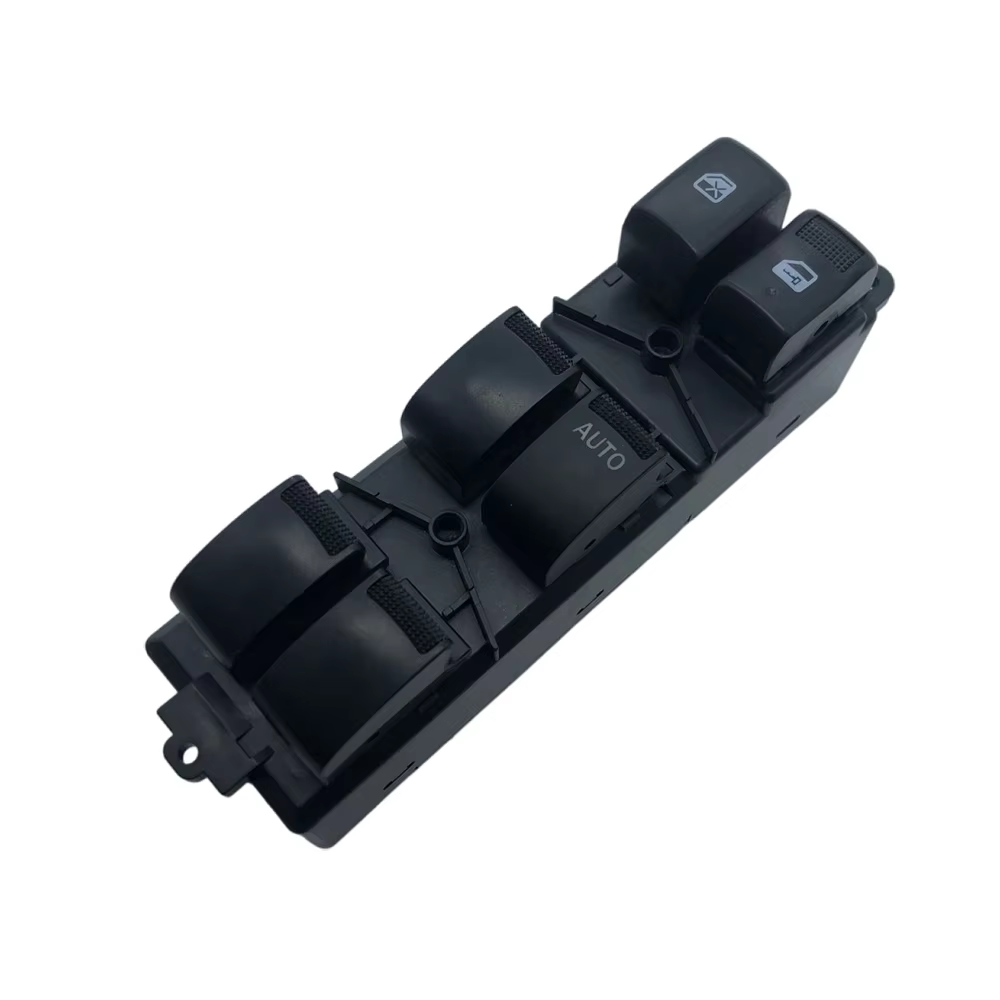
Understanding Window Switch Types and Core Functions
Window switches are essential control interfaces in commercial buildings, enabling operators to manage ventilation systems efficiently. These devices electronically open, close, or adjust windows—directly supporting indoor air quality, thermal comfort, and energy responsiveness.
Common types include:
- Toggle switches: Simple on/off mechanisms for basic, infrequent operation
- Rocker switches: Ergonomic, high-cycle designs suited for frequent manual adjustments
- Dimmer-style switches: Enable proportional control for precise airflow regulation—ideal for demand-controlled ventilation
Beyond actuation, window switches serve critical safety and automation functions. During fire emergencies, they support rapid smoke venting in alignment with NFPA 92 and local life-safety codes. When integrated into building automation systems (BAS), they enable scheduled, occupancy-based, or weather-triggered operation—contributing to documented HVAC energy savings of 12–18% (2025 ASHRAE HVAC Efficiency Benchmark Report).
Durability is non-negotiable in commercial settings: industrial-grade switches are rated for 50,000+ operational cycles—five times the typical residential specification—ensuring reliability in high-traffic environments like hospitals, schools, and corporate offices.
Key Selection Criteria for Reliable Window Switch Performance
Electrical Compatibility and Load Rating
Commercial window actuators impose high inrush currents during motor startup. Select switches with a load rating exceeding peak locked-rotor current by at least 20–25% to prevent contact welding and premature failure. Undersized switches account for 43% of electrical faults in commercial installations (Electrical Safety Report 2023). Always verify compatibility with both running and locked-rotor amperage—and prioritize UL/CE-certified components explicitly rated for continuous-duty commercial use.
Environmental Durability and IP Ratings
Commercial applications require robust protection against dust, moisture, temperature extremes, and chemical exposure. For interior zones, IP65-rated switches (dust-tight and resistant to low-pressure water jets) provide reliable protection. In outdoor, washdown, or coastal environments, upgrade to IP67 (temporary immersion resistance) or higher. Corrosion from environmental exposure drives 31% of premature field failures—so specify housings made from polycarbonate or marine-grade stainless steel, validated for stable operation across -40°C to 85°C.
Installation Best Practices for Commercial Window Switch Integration
Proper installation ensures long-term safety, performance, and compliance—especially where window controls interface with fire alarm or BAS infrastructure.
Wiring Standards and Safety Compliance (UL/CE)
UL and CE certification is mandatory—not optional—for commercial window switch installations. Use stranded copper conductors sized for the switch’s full-load ampacity (typically 15–20 A for standard systems), and secure terminations with calibrated torque screwdrivers to eliminate arcing risks. Install GFCIs in areas prone to moisture ingress (e.g., lobbies, restrooms, loading docks), and house all connections in UL-listed, fire-rated junction boxes. Maintain conduit bend radii at ≥5× the conduit diameter to prevent wire insulation damage during pull-through.
Mounting Options: Surface, Flush, and Multi-Gang Configurations
Choose mounting methods based on structural constraints, aesthetics, and service access:
- Surface mounts offer fast retrofitting on masonry or concrete walls—use stainless steel brackets to dampen vibration in mechanical rooms or near elevators
- Flush mounts deliver clean integration in office corridors and conference spaces; require precise cavity preparation to avoid wall finish compromise
- Multi-gang configurations streamline control of large window banks; gangable units support up to six switches per frame, reducing wiring complexity and panel footprint
Mount switches away from direct sunlight, HVAC discharge vents, or high-impact zones. In critical or high-abuse locations (e.g., custodial closets, loading bays), add secondary retention clips to guard against mechanical dislodgement.
Troubleshooting Common Window Switch Failures in B2B Environments
Commercial facility teams most frequently encounter two systemic failure modes: intermittent operation and BAS communication breakdowns. Addressing root causes—not just symptoms—minimizes unplanned downtime and avoids cascading impacts on HVAC, fire alarm, and lighting systems.
Intermittent Operation and Contact Degradation
Contact degradation remains the leading cause of failure in commercial settings—responsible for 43% of reported incidents (Electrical Safety Report 2023). Repeated high-current switching generates arcing, which deposits carbon and erodes contact surfaces over time. Proven mitigation strategies include:
- Conducting quarterly infrared thermographic scans to identify hotspots before failure occurs
- Specifying switches with silver-nickel alloy contacts for superior arc resistance
- Applying load-shedding logic in circuits exceeding 15 A to reduce stress during concurrent actuations
Facilities following this proactive maintenance protocol extend average switch service life by 60% versus reactive replacement schedules.
Integration Issues with Building Automation Systems
Protocol incompatibility between legacy window switches and modern BAS platforms accounts for 31% of integration failures. Resolution begins at commissioning:
- Deploy certified protocol translators (e.g., Modbus RTU to BACnet/IP) where native compatibility is absent
- Validate signal voltage thresholds (e.g., 0–10 VDC or 4–20 mA) against BAS input tolerances before final handover
- Enforce consistent, zone-based addressing schemas—avoiding ad-hoc naming that impedes diagnostics and scalability
Notably, facilities implementing IEC 62305-compliant surge protection report 78% fewer communication dropouts during lightning events—highlighting the importance of coordinated electrical and data infrastructure design.
FAQ Section
What types of window switches are available for commercial use?
Common types include toggle switches for basic operation, rocker switches for frequent manual adjustments, and dimmer-style switches for precise airflow control.
What is the importance of IP ratings in window switches?
IP ratings indicate protection against dust and moisture. For interior use, IP65 is adequate, while outdoor environments may require IP67 or higher for immersion resistance.
How can you prevent contact degradation in window switches?
Regular maintenance such as infrared thermographic scans, using silver-nickel alloy contacts, and implementing load-shedding logic can extend the service life of switches.
What installation practices ensure optimal switch performance?
Follow UL/CE standards, use appropriate wire sizes, install GFCIs in moisture-prone areas, and ensure switches are mounted away from high-impact zones.
How do building automation systems integrate with window switches?
Ensure protocol compatibility, use certified translators if needed, and validate signal tolerances to prevent communication dropouts in BAS infrastructure.
Table of Contents
- Understanding Window Switch Types and Core Functions
- Key Selection Criteria for Reliable Window Switch Performance
- Installation Best Practices for Commercial Window Switch Integration
- Troubleshooting Common Window Switch Failures in B2B Environments
-
FAQ Section
- What types of window switches are available for commercial use?
- What is the importance of IP ratings in window switches?
- How can you prevent contact degradation in window switches?
- What installation practices ensure optimal switch performance?
- How do building automation systems integrate with window switches?