 EN
EN

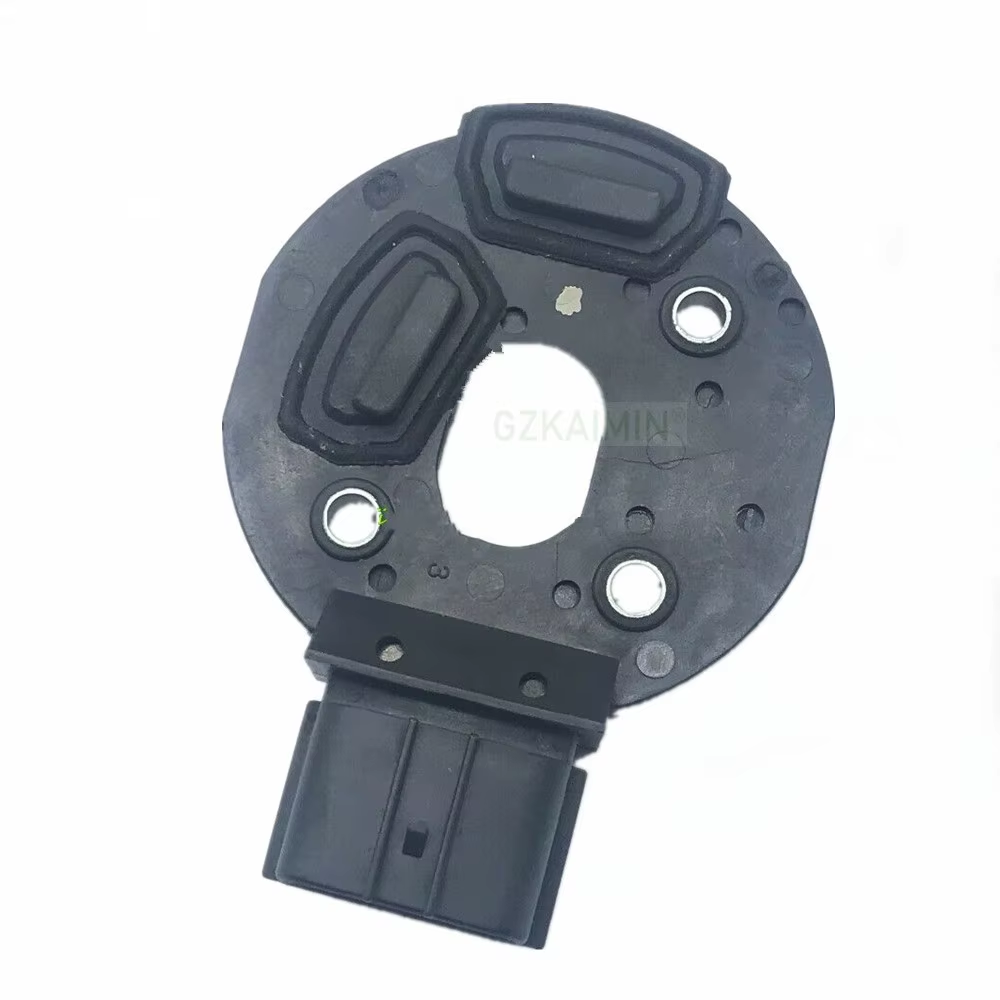
What an Ignition Module Does – Core Function and Engine Impact
How the ignition module precisely controls spark timing and coil discharge
The ignition module acts kind of like the control center for an engine's ignition system, basically replacing those old mechanical points with something much more reliable and precise electronically. What happens here is pretty straightforward: when the module gets going, it cuts off the electricity flowing through what's called the primary winding of the ignition coil. Now, when signals come in from those crankshaft position sensors, the module flips those transistors on and off really fast, which makes the magnetic field around the coil collapse suddenly. This creates a massive voltage spike in the secondary winding, sometimes reaching as high as 45 thousand volts. The result? A powerful spark that gets timed just right, within about a tenth of a degree relative to where the crankshaft is positioned at any given moment. Getting this timing spot on means better performance overall, improved gas mileage, and staying within emission standards too.
Why modern engine management systems rely on robust ignition module performance
Today's engines simply cannot function properly without reliable ignition modules working behind the scenes. These modules are essential for managing sophisticated combustion techniques such as direct fuel injection systems and turbochargers, which create cylinder pressures sometimes reaching beyond 2,500 pounds per square inch. When sparks aren't timed correctly, we see problems ranging from annoying misfires to dangerous pre-ignition events that can actually harm expensive catalytic converters. The brain of the engine, known as the ECU, crunches through well over 100 different operating variables every single second. All this data passes through the ignition system so it can manage things like fuel efficiency improvements, adjust valve timing as needed, and even shut down certain cylinders when possible. What makes this whole setup work? Components need to keep going strong despite brutal under hood conditions where temperatures regularly climb above 300 degrees Fahrenheit. If manufacturers don't build thermal resilience into their designs, all those fancy engine features either stop working completely or start breaking down way before they should.
Critical Design Factors That Define Ignition Module Reliability
Thermal management, circuit protection, and component-grade MOSFETs
There are basically three key factors that determine how durable an ignition module really is. Thermal management comes first, which involves things like bonded heat sinks paired with those high conductivity thermal interface materials we all know about. These help keep internal temps under control, staying below that critical 105 degree Celsius mark even when running nonstop. Next up is circuit protection. The modules need multiple layers here too, including those transient voltage suppressors and current limiting resistors that stand guard against those nasty voltage spikes that can exceed 40 kilovolts from coil discharges. Third but definitely not least important are the automotive grade MOSFETs themselves. These components handle switching currents of around 7 amps and last through over 100 thousand cycles without giving up the ghost, plus they resist thermal runaway problems that plague cheaper consumer grade alternatives. And before anyone gets too excited about specs on paper, every single critical component has to survive SAE J2223 thermal shock testing, enduring repeated temperature swings from minus 40 degrees all the way up to 150 degrees Celsius. That's what separates good modules from ones that fail in actual field conditions.
OEM vs. aftermarket ignition module design rigor: materials, testing, and validation
Original equipment manufacturer modules go through well over 500 hours of rigorous testing including things like vibration resistance, humidity exposure, salt spray corrosion according to SAE J1455 standards, and electromagnetic compatibility checks. These are tests that most aftermarket parts just don't match up to. Some better quality aftermarket brands do use epoxy encapsulation for their circuits, but still around four out of five skip the crucial salt spray validation altogether. Authentic OEM parts come with gold plated connectors and ceramic based substrates. The cheaper alternatives typically use aluminum alloys which tend to corrode about three times quicker when exposed to moisture. When companies run accelerated life tests at 150% of normal operating stress levels, they can clearly see the difference. Top quality designs usually maintain failure rates below 2% after two years in service while budget options often show failure rates that are 30% higher in real world conditions.
Real-World Failure Signs – Diagnosing Ignition Module Issues Accurately
Intermittent misfires, hard starts, and no-check-engine-light failures
When ignition modules start going bad, they tend to be sneaky little problems that slip past regular OBD-II scanners most of the time. The car might stumble when accelerating or run rough at idle, especially after sitting in the sun for a while because those tiny semiconductor parts inside just don't work right anymore when hot. Starting becomes really tough too since the signal gets weak or comes late, so the engine has to crank forever before it finally catches fire. What makes this frustrating is that these issues happen before the OBD system even knows about them, which means there's no code stored in memory and that annoying check engine light stays off completely. Regular coil packs or bad spark plugs will set off those P0300 codes reliably enough, but with module problems, technicians need to get their hands dirty. They'll probably want to hook up an oscilloscope to look for weird waveforms showing up on the screen, or maybe do some heat tests to make the problem show itself before it totally dies out.
How to Select the Right Ignition Module for Your Application
Picking out an ignition module isn't simply about finding something that fits. It needs to work properly with your vehicle's system beyond just matching numbers on paper. Start by checking compatibility against your VIN or OEM part number first thing. This helps avoid problems later on with the engine control module talking to itself or timing going haywire. Look for modules built to handle heat well. Good ones usually have those AEC-Q101 certified MOSFET components plus protection against voltage spikes up around 40kV. These features help them last longer when sitting under hot hoods and dealing with sudden power surges from coils. If someone drives their truck hard, does lots of towing, or spends time off road, they should double check if the module meets ISO 16750-2 standards for electrical stress and passes SAE J2223 tests for thermal changes. Reading through factory service bulletins can save headaches down the road too. Many people end up stuck with vehicles that won't start because previous owners skipped over specs on those tiny switching transistors inside. At the end of day, what really counts is how well a module stands up to actual road conditions and temperature extremes during testing, not just how long the warranty lasts or what's cheapest at the counter.
FAQ
What does an ignition module do in an engine?
The ignition module acts as the control center for an engine's ignition system. It manages the precise timing of the spark and the coil discharge, creating a high voltage to initiate a powerful spark for engine combustion.
How can you tell if your ignition module is failing?
Signs of a failing ignition module include intermittent misfires, hard starts, and issues that don't trigger the check engine light. Diagnostic tools like oscilloscopes are needed to trace these issues.
What are the critical factors for ignition module reliability?
Key factors include thermal management, circuit protection, and the use of automotive-grade MOSFETs. These ensure the ignition module can withstand tough conditions and function effectively.