 EN
EN

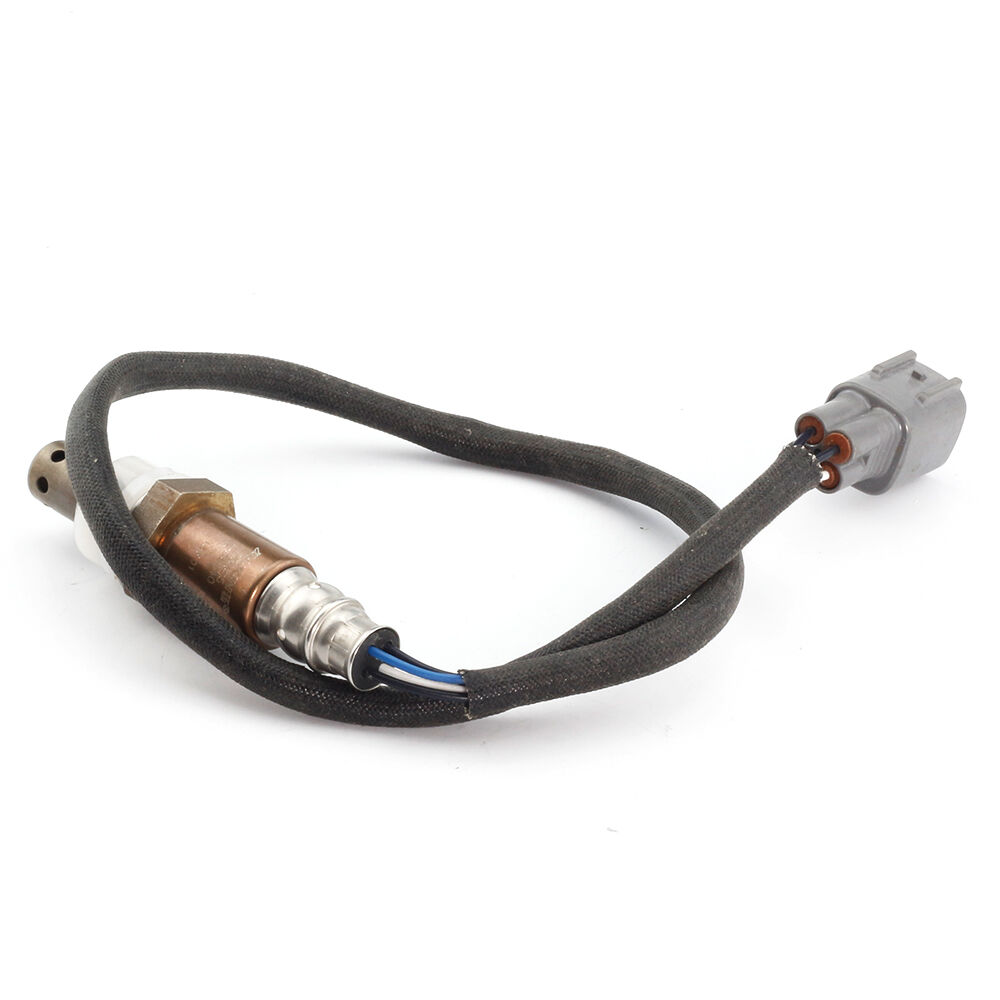
Why Auto Sensors Are Not Interchangeable: The Role of OEM-Specific Protocols
CAN bus handshake failures and brand-specific message IDs
Cars today depend heavily on these CAN bus networks for all their electronic talking between parts. But here's the catch: every car company puts their own special message codes (think of them as digital fingerprints) into these systems. So when someone installs an aftermarket sensor that doesn't speak the same code language, the car's brain just says nope and ignores the signal completely. That means the sensor basically stops working because it can't get through. There are standards being developed like AUTOSAR trying to get everyone speaking the same language, but most manufacturers still tweak things specifically for their own needs around security issues, how well the system runs, and protecting their proprietary tech. According to research published last year in the field of automotive connectivity, nearly 9 out of 10 attempts at installing sensors across different brands fail because of these communication problems. And interestingly enough, even if the connectors physically fit together, nothing works unless those digital signals match up properly.
ADAS functionality loss and warranty void risks with non-OEM auto sensors
The Advanced Driver Assistance Systems (ADAS) in modern vehicles rely heavily on accurate sensor calibration that's been validated by manufacturers themselves. Third party sensors generally don't meet those strict requirements when it comes to alignment precision, signal timing, or how data gets formatted. This can lead to serious safety issues down the road. Think about situations where the car fails to brake automatically when needed, or worse yet, doesn't brake at all during an emergency. Performance drops aren't the only problem either. Most manufacturers will void warranties if they find out someone installed non-OEM parts. Car companies argue that these aftermarket components haven't gone through proper safety testing and might not integrate correctly with existing systems. For drivers, this means two big problems: reduced protection from their ADAS features and complete responsibility for any repair costs. The numbers back this up too. According to industry reports, over 8 out of 10 warranty claims get rejected after ADAS repairs involving non-original equipment sensors.
Calibration Requirements for Auto Sensors by Vehicle Make and Model
Car makers have pretty strict rules when it comes to calibrating those important sensors in vehicles, especially things like front facing cameras and radar systems. The whole process isn't optional at all because these calibrations affect how Advanced Driver Assistance Systems work, meet government standards, and pass safety tests like the ones outlined in ISO 26262. If mechanics skip over the manufacturer's exact specifications, even by a little bit, several safety features might stop working properly. That means systems designed to prevent crashes, keep cars within lanes, or adjust speed automatically could fail completely, despite looking fine on the outside. Something that seems just slightly off during installation can actually render these expensive technologies useless in real driving situations.
How Toyota, Honda, and Ford enforce unique camera/radar alignment tolerances
The alignment tolerances differ quite a bit between different car brands, sometimes even changing from one model year to another. Take Toyota for instance, which typically gives around plus or minus 0.15 degrees when mounting forward facing cameras. Honda tends to be stricter, often asking for something closer to 0.10 degrees or better. The new Ford F-150 trucks are particularly picky about where their radar modules go, needing them placed just 1 millimeter away from what the factory specs say. These tight specifications matter because auto repair shops need special equipment and specific instructions for each brand and model they work on. Generic approaches just won't cut it anymore since improper calibration can actually disable important safety systems like lane departure warnings and adaptive cruise control.
Proprietary calibration tools (e.g., GM GDS2, Ford IDS) and their compatibility gatekeeping
Car manufacturers block access to sensor calibration using their own special software systems. Take General Motors' GDS2 or Ford's IDS as examples. These platforms check vehicle identification numbers through encryption and perform firmware handshakes to verify sensors. When mechanics try to calibrate sensors with off-brand or generic equipment, problems start happening. The car's computer throws up error codes, advanced driver assistance systems stop working properly, and any remaining warranty protection gets canceled out. For independent repair shops, this means they have to pay for several different manufacturer diagnostic subscriptions each year. The cost often runs past ten thousand dollars annually. This situation creates real challenges because it makes sensors from different brands incompatible with each other. At the same time, it keeps car companies firmly in control of what happens after someone buys a vehicle.
Technology Divergence: How Sensor Architecture Limits Cross-Brand Auto Sensors Compatibility
Tesla’s vision-first stack vs. legacy radar/lidar fusion in German and Japanese brands
The way Tesla builds its system is pretty unique compared to others out there. They rely heavily on those high res cameras that feed information into neural networks which have learned from literally billions of real world driving situations. These networks interpret what they see straight from the pixels themselves. On the flip side, many car manufacturers from Germany and Japan tend to go for something called multi-sensor fusion instead. Their approach combines radar, lidar, and cameras together, with each technology sending along already processed information about objects like how fast they're moving, their distance away, and what kind of object it is to a central brain that makes decisions. The fundamental difference between these approaches lies in how they handle data at different levels. While Tesla's system works with raw pixel data through AI, traditional setups use combined metadata from multiple sensors. This creates compatibility issues because camera based systems need much faster data transfer speeds, quicker response times, and special ways of normalizing input data compared to setups that include radar. Trying to swap components between these different platforms just doesn't work unless someone completely rebuilds everything from scratch.
Sensor fusion logic and ECU-level integration as hard compatibility barriers
The ECU serves as the central decision-making hub, interpreting sensor inputs through deeply embedded, brand-specific algorithms. These algorithms assign proprietary weightings to data streams—for instance, one OEM may allocate 70% influence to radar input for braking decisions, while another prioritizes lidar-derived trajectory predictions. This creates non-negotiable integration barriers:
- Data normalization requirements differ sharply (e.g., timestamp synchronization tolerance of ±2ms vs. ±5ms)
- ECUs perform encrypted sensor authentication during initialization—not just at boot, but continuously
- Control logic expects rigidly defined data structures (e.g., Cartesian XYZ coordinates versus polar vectors or bounding-box metadata)
Even with physical adapters or firmware “patches,” these protocol- and logic-level mismatches result in system rejection, diagnostic fault codes, or—worse—undetected safety compromises.
FAQ
Why can’t auto sensors be interchangeable across different car brands?
Auto sensors are not interchangeable across different car brands due to OEM-specific communication protocols and calibration requirements. Each manufacturer uses proprietary message codes and alignment specifications, making it difficult for non-OEM parts to function correctly with their systems.
What happens if I use a non-OEM sensor in my vehicle?
Using a non-OEM sensor can lead to malfunctioning of Advanced Driver Assistance Systems (ADAS), potential safety issues, and voided warranties. Non-OEM sensors often do not meet the precise calibration and data processing requirements enforced by manufacturers.