 EN
EN

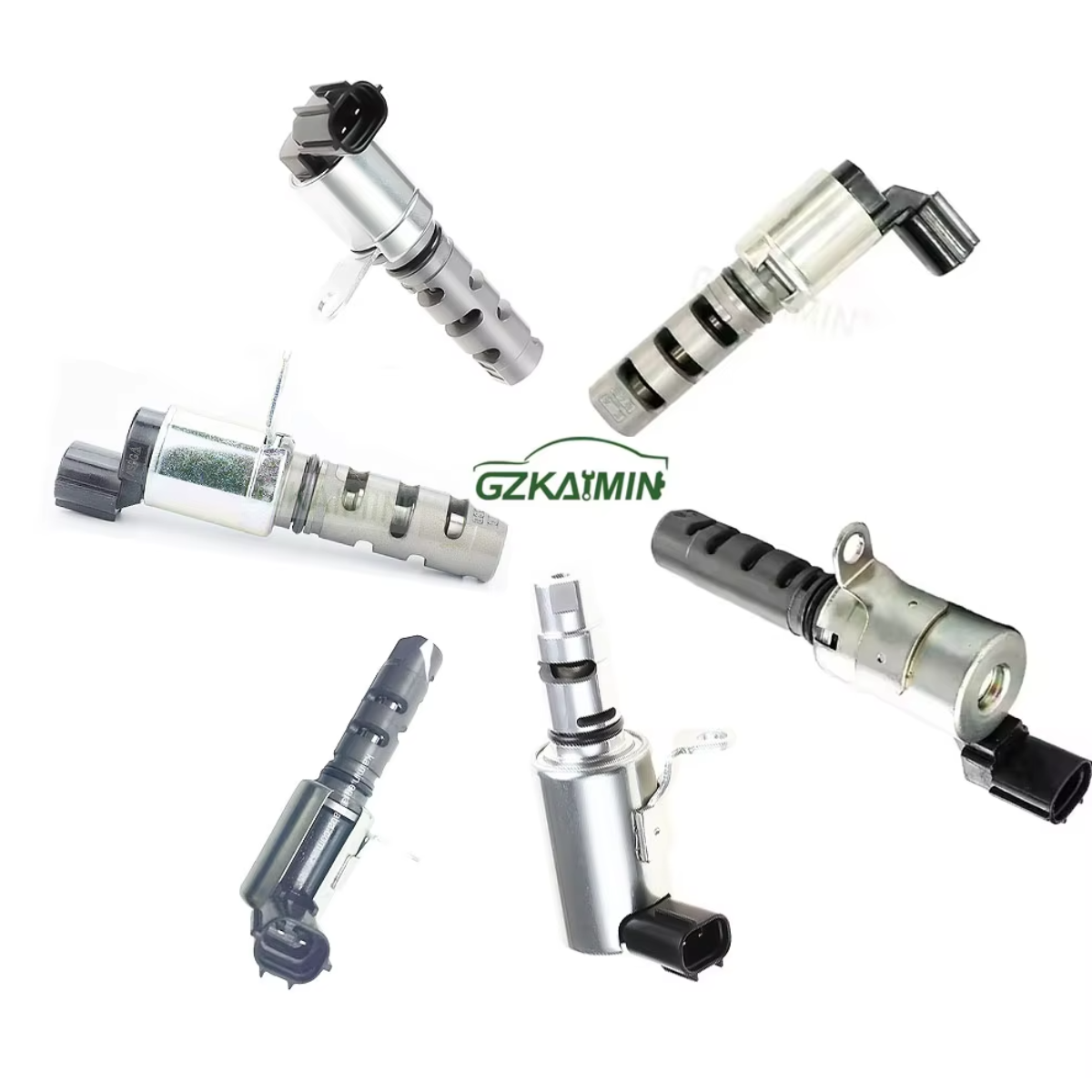
How Variable Valve Timing (VVT) Systems Work and Why They Matter
What is variable valve timing (VVT) and how it works
VVT systems work by changing when the intake and exhaust valves open and close throughout the engine's RPM range. Traditional engines have fixed valve timing, but modern VVT technology relies on either hydraulic pressure or electromagnets managed by the car's computer to shift camshaft timing as needed. The result? Better mixing of fuel and air inside the cylinders. Manufacturers report around a 10-15% improvement in how well the engine burns fuel when comparing VVT equipped engines to older models without this feature. For everyday drivers, this means smoother power delivery at both low and high speeds while still getting decent gas mileage.
Camshaft phasing and hydraulic actuation in VVT systems
Most engines today rely on hydraulic actuation to adjust where the camshaft sits, basically using the engine's own oil pressure to move those little phaser devices. The engine control unit keeps an eye on things like how fast the engine is spinning or what kind of workload it's handling. When something changes, the ECU tells these oil control valves where to send the pressurized oil inside the phaser mechanism. This makes the camshaft rotate maybe around 50 degrees give or take. What happens next? Well, this rotation changes when the valves open and close relative to each other. Pretty impressive stuff actually. Modern systems can react really fast too, sometimes getting the job done in less than 150 milliseconds. That quick response helps engines switch smoothly from saving fuel at lower RPMs to making more power when revved up higher.
Role of ECU and oil pressure in VVT operation
The engine control unit serves as the main brain behind the operation, constantly processing live information from those crankshaft and camshaft sensors to figure out what's best for valve timing. But let's not forget about oil quality here. A recent 2023 research paper actually showed that nearly one third (about 34%) of all variable valve timing issues come down to either sludge accumulation or using oil with the wrong thickness, since this messes with the necessary hydraulic pressure levels. Most car makers want their customers to stick with thinner synthetic oils like 0W-20 or maybe 5W-30 if conditions demand it. These lighter weight oils help keep those solenoids working properly and reduce wear on the phaser gears over time.
Core Components of the VVT System: Cam Phaser, Solenoids, and Oil Control
Components of VVT systems: camshaft phasers and oil control solenoids
Modern VVT systems rely on three key components working together:
- Cam phasers, mounted on camshaft ends, physically rotate the camshaft relative to the timing chain sprocket to adjust valve timing
- Oil control solenoids regulate the flow of pressurized oil to the phasers based on ECU signals
- Check valves help maintain stable oil pressure during rapid throttle changes, ensuring consistent phaser operation
VVT solenoids, oil control valves, and sensor operation
The engine control unit determines optimal valve timing based on information coming from various sensors including those monitoring crankshaft position, camshaft position, and oil pressure levels. Once calculated, it sends signals to the variable valve timing solenoids which adjust oil flow at intervals between 100 and 300 milliseconds. These small adjustments allow for better performance across different engine speeds. A recent study published by SAE in 2022 found that contaminated oil actually slows down solenoid response times by as much as 40 percent. This highlights why keeping the lubrication system clean with high quality oil remains so important for maintaining proper VVT operation.
Integration of camshaft adjuster, ECU, and oil control in system function
Seamless coordination occurs in three stages:
- The ECU processes data on RPM, engine load, and temperature
- Oil control valves direct pressurized oil to specific chambers in the cam phaser
- The cam adjuster rotates up to 30 degrees to advance or retard valve timing
This integration reduces NOx emissions by 12–18% in EPA test cycles while maintaining peak volumetric efficiency.
Performance and Efficiency Benefits of Proper VVT Valve Operation
Variable Valve Timing Technology and Its Benefits for Engine Performance
When VVT works correctly, it lets engines adjust their valve timing on the fly, which helps combustion work better at different engine speeds. Testing done recently shows engines with VVT produce around 9 to 15 percent extra torque at lower RPMs compared to older models without this tech. They also hit about 6% more peak horsepower overall. What makes VVT really useful is how it removes the usual compromises between keeping the engine stable when idling and getting good power at higher speeds. The result? A much smoother driving experience because the engine responds better thanks to those smart adjustments in the camshaft timing.
How VVT Improves Fuel Efficiency, Emissions, and Driveability
When the engine accelerates, variable valve timing delays closing the intake valves, while during normal cruising speeds it actually closes them earlier. This simple adjustment cuts fuel consumption somewhere around 4 to 7 percent according to EPA testing standards. Research from last year found that these systems cut down on nitrogen oxide emissions by about 17 percent and hydrocarbons dropped even more significantly at 22 percent because they manage the air fuel mix much better. The computer controlled timing also makes a real difference for how responsive the throttle feels, especially noticeable when starting from a stop in city traffic where hesitation problems decrease by roughly 31 percent based on simulation tests conducted in urban environments.
Performance Gains from Optimized Valve Timing Under Varying Loads
Modern VVT systems operate in three distinct modes:
- Cold starts: Increased valve overlap stabilizes idle and enables 38% faster warm-up
- Partial throttle: Reduced overlap minimizes pumping losses for improved efficiency
- Full load: Extended valve duration maximizes cylinder filling for peak power
This adaptability allows a single engine to produce diesel-like torque at 1,500 RPM while sustaining a 7,200 RPM redline—delivering a 19% broader usable power band than non-VVT engines.
Controversy Analysis: Real-World MPG Claims vs. Actual Driver Results
While lab tests confirm VVT efficiency gains, a 2024 survey of 1,200 drivers found that 42% experienced less than half the advertised fuel economy improvement. Key factors include:
- Oil sludge impairing hydraulic response
- Aftermarket solenoids operating outside OEM voltage tolerances
- Aggressive driving negating 68% of low-RPM torque benefits
These findings highlight that realizing VVT’s full potential requires strict adherence to maintenance schedules and use of genuine components.
OEM-Specific VVT Technologies and Aftermarket Compatibility
Types of VVT Systems: VVT-i, VTEC, VANOS, MIVEC Compared
Car manufacturers have developed all sorts of different VVT systems depending on what they want from their engines. Take Toyota for instance, they came up with something called VVT-i which basically lets them tweak the camshaft angle as needed through those little hydraulic actuators. Then there's Honda's VTEC system that flips between two different cam profiles when the engine revs get high enough, giving drivers that extra punch they crave. BMW went another route with their VANOS technology that adjusts the cam timing using hydraulic phasers. And let's not forget Mitsubishi's MIVEC system, which actually manages both timing and valve lift electronically through solenoids, making the engine run smoother right in the middle of its power band where most people spend time driving day to day.
Design Differences and Compatibility Across OEM Platforms
When it comes to OEM specific calibrations, there are definitely some hurdles when trying to get aftermarket parts to work properly. Take for instance a solenoid made specifically for Toyota's VVT-i system. If someone tries to install this same part on a Hyundai with their CVVT technology, things just won't work right because of those subtle but important differences in how much oil pressure each system needs (around 8% difference in most cases) plus the way the ECU sends signals to components. Then we have Ford's Twin Independent Variable Cam Timing system, known as Ti-VCT. This setup actually requires two separate solenoids so that both intake and exhaust can be controlled independently. The catch here is that these systems need special oil control valves which most aftermarket companies struggle to duplicate with any real accuracy. That's why genuine factory parts often perform better in these complex applications.
Aftermarket VVT Parts (Standard, Blue Streak) and Compatibility
| Feature | OEM VVT Components | Aftermarket VVT Components |
|---|---|---|
| Material Quality | Precision-machined internals | Inconsistent metal alloys |
| Oil Flow Tolerance | ±1.5% deviation | Up to ±4.5% deviation |
| ECU Handshake Protocol | Full system integration | Partial emulation required |
| Warranty Coverage | 5-year OEM guarantee | 90-day aftermarket limited warranty |
Brands like Standard Motor Products and Blue Streak offer VVT solenoids at 35–45% lower cost than OEM parts, but field data indicates a 34% higher failure rate within 24 months (Automotive Engineering Report, 2022).
Case Study: Failure Rates of Aftermarket vs. OEM VVT-i Solenoids in Toyota Engines
Looking at around 2,100 Toyota 2GR-FE V6 engines back in 2023 showed something interesting. The aftermarket VVT-i solenoids were failing way more often than the original equipment manufacturer parts when cars started up cold. The factory made ones kept oil pressure steady between 78 to 82 pounds per square inch no matter what temperature it was outside. But those cheaper third party versions would jump all over the place from 65 to 89 PSI, which caused those annoying P0011 and P0021 error codes to pop up constantly. Shop mechanics have noticed something else too. About one out of every five times they put in an aftermarket solenoid, there ended up being problems with the oil control valves needing extra work afterwards. That happens only about 3% of the time with genuine OEM parts instead.
Common VVT Issues, Diagnostics, and Maintenance Best Practices
Interpreting P0011, P0021, and P0521: Symptoms and Root Causes
When vehicles throw diagnostic trouble codes like P0011 (which means the camshaft position timing is over advanced), P0021 for Bank 2, and P0521 related to oil pressure sensor problems, mechanics usually look at variable valve timing issues first. These codes often come from common problems such as when oil control solenoids fail, oil passages get blocked over time, or there simply isn't enough oil pressure getting through. Long oil change intervals between services or using the wrong viscosity grade can make these issues worse than they need to be. Drivers might notice their car running roughly at idle, burning more gas than normal, and that annoying check engine light staying on no matter what they try.
Diagnosis and Repair of VVT Components
Effective diagnosis involves a systematic approach:
- Use an OBD-II scanner to verify trouble codes and monitor live oil pressure readings
- Test solenoid resistance (typically 10–14 Ω across most models)
- Inspect oil control valve screens for sludge, a frequent cause of delayed phaser response
Repairs often involve replacing faulty solenoids or cleaning oil galleries. However, IMR data from 2023 shows a 23% recurrence rate when aftermarket solenoids are used instead of OEM parts, reinforcing the importance of component quality.
Industry Paradox: High Failure Codes Despite Robust System Design
Despite being engineered for over 150,000 miles of reliable service, repair shops have reported a 14% rise in VVT-related fault codes since 2020. This trend stems from two primary issues:
- Oil dependency: 40% of failures are linked to improper oil viscosity or degraded additives
- Diagnostic limitations: Standard scan tools may misdiagnose timing chain stretch as a solenoid fault, leading to incorrect repairs
Impact of Oil Grade and Sludge Buildup on VVT Reliability
Modern VVT systems require oils meeting API SP or SN Plus standards. An ASTM 2023 study demonstrated a direct correlation between oil change intervals and system health:
| Oil Change Interval | Sludge Accumulation Rate | VVT Failure Likelihood |
|---|---|---|
| 5,000 miles | 12% | 8% |
| 7,500 miles | 34% | 29% |
| 10,000 miles | 61% | 67% |
Adhering to 5,000-mile oil changes with OEM-specified synthetic oil (0W-20 or 5W-30) reduces premature wear by 83%. For high-mileage vehicles exhibiting timing hesitation, an annual oil system flush is recommended to preserve VVT functionality.
Frequently Asked Questions (FAQ)
What is Variable Valve Timing (VVT)?
Variable Valve Timing (VVT) is a technology that adjusts the timing of a vehicle's engine valves to improve performance, fuel efficiency, and emissions.
How does VVT improve engine performance?
By adjusting valve timing on the fly, VVT optimizes combustion efficiency, resulting in increased torque at lower RPMs and more horsepower at higher speeds.
Can aftermarket VVT parts be used instead of OEM components?
While aftermarket parts are generally cheaper, they have a higher failure rate and may not match OEM performance due to differences in quality and system compatibility.
What are common issues related to VVT systems?
Common problems include oil sludge buildup, component failure due to poor oil quality, and improper maintenance which can lead to error codes and decreased engine performance.
How often should I change the oil for optimal VVT performance?
It is recommended to adhere to a 5,000-mile oil change interval using OEM-specified synthetic oil to maintain VVT system reliability and performance.
Table of Contents
- How Variable Valve Timing (VVT) Systems Work and Why They Matter
- Core Components of the VVT System: Cam Phaser, Solenoids, and Oil Control
- Performance and Efficiency Benefits of Proper VVT Valve Operation
- OEM-Specific VVT Technologies and Aftermarket Compatibility
- Common VVT Issues, Diagnostics, and Maintenance Best Practices
- Interpreting P0011, P0021, and P0521: Symptoms and Root Causes
- Diagnosis and Repair of VVT Components
- Industry Paradox: High Failure Codes Despite Robust System Design
- Impact of Oil Grade and Sludge Buildup on VVT Reliability
- Frequently Asked Questions (FAQ)