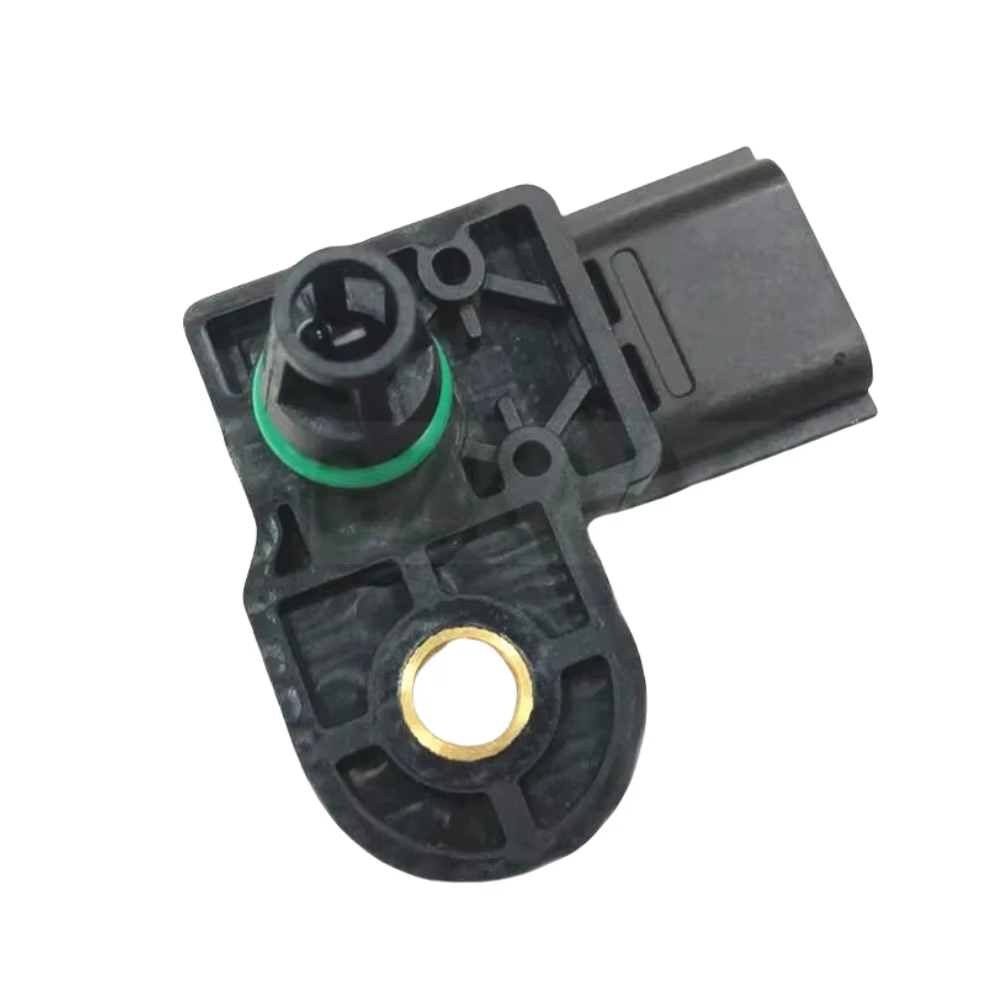
When a car door handle starts feeling stiff, wobbly, or just doesn't work right, it usually means something inside is worn out or not lined up properly. People often notice this when they have trouble getting the handle to move smoothly, see too much movement in the handle itself, or find that the door won't catch properly when closing. Most of these problems come down to things like parts bending over time, cracks forming where the handle attaches, or rust building up especially in older cars. If the door keeps refusing to shut tight even after trying several times, there's probably a problem with how the handle connects to the part that actually locks the door in place. This kind of issue can be frustrating for anyone trying to get into their vehicle on a regular basis.
After years of regular use, important components such as springs, bushings, and those little pivot joints start showing signs of wear. The metal springs get tired from all that constant movement, which makes them less effective at returning the handle to its original position. Meanwhile, the plastic bushings slowly wear down because they're constantly rubbing against other parts. What happens next? Well, there's noticeable play in the mechanism, so operators find themselves needing to apply extra effort just to move the handle properly. Sometimes things get really bad too - we've seen instances where bolts literally strip out or brackets snap completely off, rendering the whole assembly useless. And let's not forget about temperature changes either. When materials expand and contract repeatedly through hot days and cold nights, it only speeds up the breakdown process across all these components.
Keeping up with regular maintenance work can actually add anywhere from three to five extra years to most door handles. A good idea is applying some silicone based lubricant at those pivot points roughly once every six to twelve months or so. Pay special attention to where the spindle meets the handle body as well as any springs inside. When doing seasonal inspections, don't forget to check all the screws and bolts for tightness. Also worth testing how much effort it takes to close the door properly. If someone needs to push really hard - more than about fifteen pounds worth of force maybe? Then alignment probably needs fixing. Complex door systems definitely benefit from getting checked out by professionals twice a year. This kind of routine service keeps everything running smoothly and stops surprises when nobody wants them happening.
When materials start showing deep cracks or bent edges, that's usually a sign they're getting tired from all the stress. A recent report from the Polymer Science Institute in 2023 found something interesting about plastics too. The normal day to night temperature changes make plastic parts grow and shrink by about a third of a millimeter each cycle, which actually speeds up how fast those little cracks form. Then there's the color change thing. If plastic starts turning white or yellowish, chances are it's been hit hard by sunlight over time. And when plastic becomes so brittle it snaps easily even with light pressure, like under five pounds of force, that means it's really reached the end of its useful life.
When exposed to UV light, the molecular structure of polypropylene handles starts to break down over time. Tests have found that after about five years, the tensile strength drops somewhere between 40% and 60%. The material just doesn't hold up as well anymore. Thermal changes also take their toll. Handles subjected to constant temperature swings from below freezing to nearly 130 degrees Fahrenheit develop tiny cracks that nobody can see at first glance. These microscopic fractures gradually weaken the whole structure. A long term study looking at weather patterns across different regions revealed something interesting too. Handles placed in hot sunny areas tend to give out almost three times quicker compared to ones in cooler climates where they face less extreme conditions. This combination of heat exposure and temperature fluctuations really puts these plastic components through their paces.
| Inspection Frequency | Recommended Action |
|---|---|
| Biannually | Apply UV-resistant silicone spray to all moving parts |
| After extreme weather | Check for hairline cracks using magnification |
| Every 30k miles | Test handle flex resistance; replace if deflection exceeds 10° |
Use handle covers during long-term parking. Replace immediately if cracks penetrate over half the component’s thickness. The Society of Automotive Engineers advises replacement when deformation disrupts seal alignment with the door panel—a flaw that increases water intrusion risk by 470%.
If the door handle turns but doesn't actually unlock the door, chances are good there's something wrong inside the linkage system. According to recent industry data, around 40 percent of these problems come down to either rusted metal rods or those little plastic bushings wearing out over time. Basically what happens is these components are supposed to carry the movement from when someone turns the handle all the way to where it releases the latch. But when dirt gets stuck in there or the plastic starts breaking down, the whole connection just stops working properly. That's why the handle spins freely even though nothing happens with the actual locking mechanism.
Modern door handles typically rely on either bowden cables or solid metal rods connecting them to the actual latch mechanism. When someone pulls the outside handle, this creates tension along a cable that runs about 12 to 18 inches long and wraps around pulleys located close to the door's edge. Cars equipped with keyless entry systems tend to show cable wear happening roughly 23 percent quicker than traditional models because these handles get used so much more often throughout the day. Automotive ergonomics research backs this up too. Something as small as a 3 millimeter misalignment in the system can completely stop the latch from releasing properly when needed.
Assess functionality in three steps:
Frozen cables usually allow partial movement with increased resistance, while broken linkages result in complete freeplay. A 2023 SAE study found that 68% of cold-climate vehicles develop cable freeze within eight years, compared to 29% experiencing linkage fractures in warmer regions.
Unusual noises during handle operation often indicate developing problems. Grinding suggests metal-on-metal contact from misalignment or worn bearings. Clicking reflects incomplete latch engagement, while squeaking typically stems from dry pivot points or deteriorated rubber seals—issues that worsen without intervention.
The main causes are:
Environmental stress significantly accelerates plastic degradation, with polymer studies showing 2–3 times faster breakdown in climates consistently above 90°F.
Responding early to unusual sounds prevents 82% of complete failures, per automotive repair data. Addressing them promptly often requires only lubrication or clip replacement—far less costly than full handle swaps, which can run 4–7 times more. Combine quarterly visual inspections with immediate attention to new noises to maximize handle longevity.
Deciding whether to repair or replace a malfunctioning car door handle depends on cost, longevity, and functionality. Let’s break down the key considerations to guide your decision.
For small problems such as snapped springs or crooked rods, repair kits typically cost between twenty to eighty dollars and work pretty well. But these aren't really fixes for long term if handles show serious wear or rust spots. When it comes to bigger issues, going all out with full replacements usually runs from about $120 up to over $500, though this gives much better lasting results particularly when parts inside get damaged like those tricky latch cables. According to some findings from Quickly Miami Locksmith, around seven out of ten vehicles suffering structural damage to their door handles ended up needing complete replacement just to get things working reliably again.
OEM handles meet factory specifications and typically last 8–12 years. Aftermarket options are cheaper—30–50% less—but may have shorter lifespans due to variable material quality. For older or rare models, OEM parts generally ensure better fit, finish, and durability.
Consider:
As outlined in industry guidelines, prioritize replacement when mechanical compromise affects door security or alignment.
It's recommended to apply a silicone-based lubricant to the car door handle's pivot points every six to twelve months.
Common signs include stiffness, wobbliness, difficulty in closing the door, unusual noises, and visible cracks or damage.
Small issues like broken springs can be fixed with repair kits, but major damage or serious wear generally warrants a full replacement for reliability.
OEM handles meet factory specifications and usually last longer (8–12 years), while aftermarket handles are cheaper but may offer variable quality.

Guangzhou Kaimin Autoparts Company specializes in high-quality automotive parts supply across China. Please call or email us to obtain a reliable solution tailored to your needs.
Copyright © 2025 by GUANGZHOU KAIMIN AUTOPARTS COMPANY Privacy Policy
 EN
EN