 EN
EN

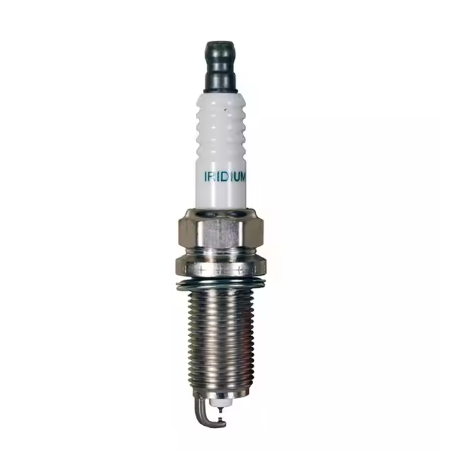
Understanding Standard Spark Plug Replacement Intervals
OEM Guidelines vs. Real-World Driving Conditions
Most car makers suggest changing spark plugs somewhere between 30k and 100k miles on the odometer, but reality usually tells a different story. Anyone who drives in heavy city traffic, makes lots of quick trips around town, or lives where it gets really hot or cold will find their plugs wearing out much faster than what's listed in any lab test. Factory service guides give good starting points for when to replace them, but according to some recent studies from SAE in 2023, people doing hard driving in tough conditions might need new plugs up to 40% sooner than those cruising steadily on highways. The bottom line is simple enough: don't just rely on numbers from the manual or how many miles are showing on the dashboard. Pay attention to how the car actually behaves day to day and adjust maintenance schedules accordingly to keep everything running smoothly without unnecessary downtime.
Mileage Ranges by Spark Plug Material: Copper (30k), Platinum (60k), Iridium (80-100k)
Spark plug longevity is fundamentally governed by electrode material properties:
- Copper plugs: Economical and widely compatible, but wear fastest due to lower thermal stability-replace every 30,000 miles
- Platinum plugs: Higher melting point (~1,770°C) supports longer service-typically 60,000 miles
- Iridium plugs: Exceptional hardness and a 2,452°C melting point enable ultra-fine electrodes and 80,000-100,000-mile durability
Iridium's ~700°C higher heat tolerance than copper significantly reduces gap erosion-particularly in high-compression or direct-injection engines-where thermal stress is most acute.
How Spark Plug Material Affects Longevity and Performance
Thermal Stability and Electrical Resistance: Why Iridium Outperforms Platinum in Modern Engines
What makes up an electrode affects both how long it lasts and how accurately it ignites fuel mixtures. Take iridium for instance. This material has much better heat resistance compared to platinum, with a melting point around 600 degrees Celsius higher. Because of this property, manufacturers can make the central part of the electrode much thinner. Thinner design means the spark energy gets focused better, and we need about 20% less voltage to get things going. These improvements lead to better starting when engines are cold, more controlled burning inside the engine, and fewer instances where the engine misses a beat during operation. Another advantage is that iridium doesn't wear down as quickly as platinum does. The space between electrode tips stays consistent for longer periods, maintaining good spark shape past what most platinum electrodes achieve in about 60 thousand miles of driving. For cars with direct fuel injection systems, this matters even more. Iridium keeps working properly under really high pressure conditions inside cylinders where platinum would start showing signs of getting worse after some time.
Ruthenium and Dual-Platinum Innovations: Emerging Options for Extended-Life Spark Plug Applications
Ruthenium alloys are becoming popular because they offer almost iridium level heat resistance while also standing up better to corrosion, especially when it comes to those ethanol mixed fuels we see so much in today's gas pumps. On another front, there's this thing called dual platinum design where platinum discs get attached to both the center electrode and the ground electrode. What happens then is the wear gets spread out between these two contact points instead of concentrating on just one spot. Tests show this can actually reduce erosion by around 40 percent during those frequent stop-start situations compared to regular single platinum spark plugs. All these improvements mean mechanics can go longer between replacements sometimes pushing past 100 thousand miles under good driving conditions. That makes these new materials really appealing for hybrids and cars that just keep running mile after mile needing reliable ignition performance even as temperatures fluctuate wildly.
Warning Signs Your Spark Plugs Need Immediate Replacement
Recognizing failing spark plugs early prevents catalytic converter damage, wasted fuel, and progressive engine wear. Key symptoms include:
- Starting difficulties, especially in cold weather-indicating weak or inconsistent spark energy
- Rough idling or misfires, felt as vibrations, jerking, or stalling at idle
- Sluggish acceleration, where throttle input yields hesitation instead of responsive power
- Increased fuel consumption, potentially rising by up to 30% due to incomplete combustion
- Check engine light activation, frequently accompanied by P0300-P0308 misfire codes
Prompt attention restores combustion efficiency and protects downstream emissions components.
External Factors That Accelerate Spark Plug Wear
Stop-and-Go Driving, Low-Quality Fuel, and Carbon Buildup as Key Degradation Drivers
City driving puts a real strain on spark plugs, making them fire about three times more frequently per mile compared to when vehicles cruise steadily on highways. This increased activity speeds up electrode wear by around 30 to 40 percent, based on figures from SAE's 2023 report. When cars run on lower octane fuel or blends heavy with ethanol, the combustion chambers get hotter, which wears down the tips faster. Another problem comes from carbon buildup caused by incomplete burning. These deposits act like insulation between the electrodes, so the ignition system has to work harder to create sparks across the gap. Mechanics call this issue "carbon fouling," and it explains why nearly a quarter of all early spark plug failures happen.
| Factor | Impact on Lifespan | Mitigation |
|---|---|---|
| Stop-and-go driving | Reduces lifespan 30-40% | Incorporate weekly highway driving |
| Fuel below 87 octane | Increases wear rate 25% | Use TOP TIER detergent gasoline |
| Carbon buildup | Triggers misfires as early as 5,000 miles | Schedule professional fuel injector cleaning every 30,000 miles |
High-Voltage Ignition Systems and Engine Tuning Effects on Spark Plug Lifespan
Performance ignition systems that put out over 40k volts (about twice what factory coils deliver) put extra strain on spark plug electrodes which causes them to wear down much quicker. Forced induction systems or when timing is pushed too far forward can boost cylinder pressure anywhere between 15 and 25 psi, wearing away those expensive metal tips at an alarming rate. The same goes for extending dwell times through ECU modifications, this creates so much heat at the electrode tip that it might cut the lifespan of iridium plugs in half sometimes dropping their useful life from around 100 thousand miles down to just 50 thousand. Make sure the heat range, gap setting, and overall quality of spark plugs are all compatible with whatever modifications have been made to the ignition system if wanting to maintain both reliability and long term performance.
Frequently Asked Questions
What are the most common signs of worn-out spark plugs?
The most common signs include starting difficulties, rough idling, sluggish acceleration, increased fuel consumption, and the check engine light being activated.
How do different spark plug materials affect lifespan?
Copper plugs last around 30,000 miles, platinum plugs about 60,000 miles, and iridium plugs can last between 80,000 to 100,000 miles, depending on driving conditions and maintenance.
What external factors can accelerate spark plug wear?
Stop-and-go driving, using low-quality fuel, and carbon buildup are key factors that can accelerate spark plug wear.
How do high-voltage ignition systems affect spark plug lifespan?
High-voltage ignition systems increase wear due to elevated stress on electrodes, potentially halving the lifespan of spark plugs.